Monday, June 5, 2017

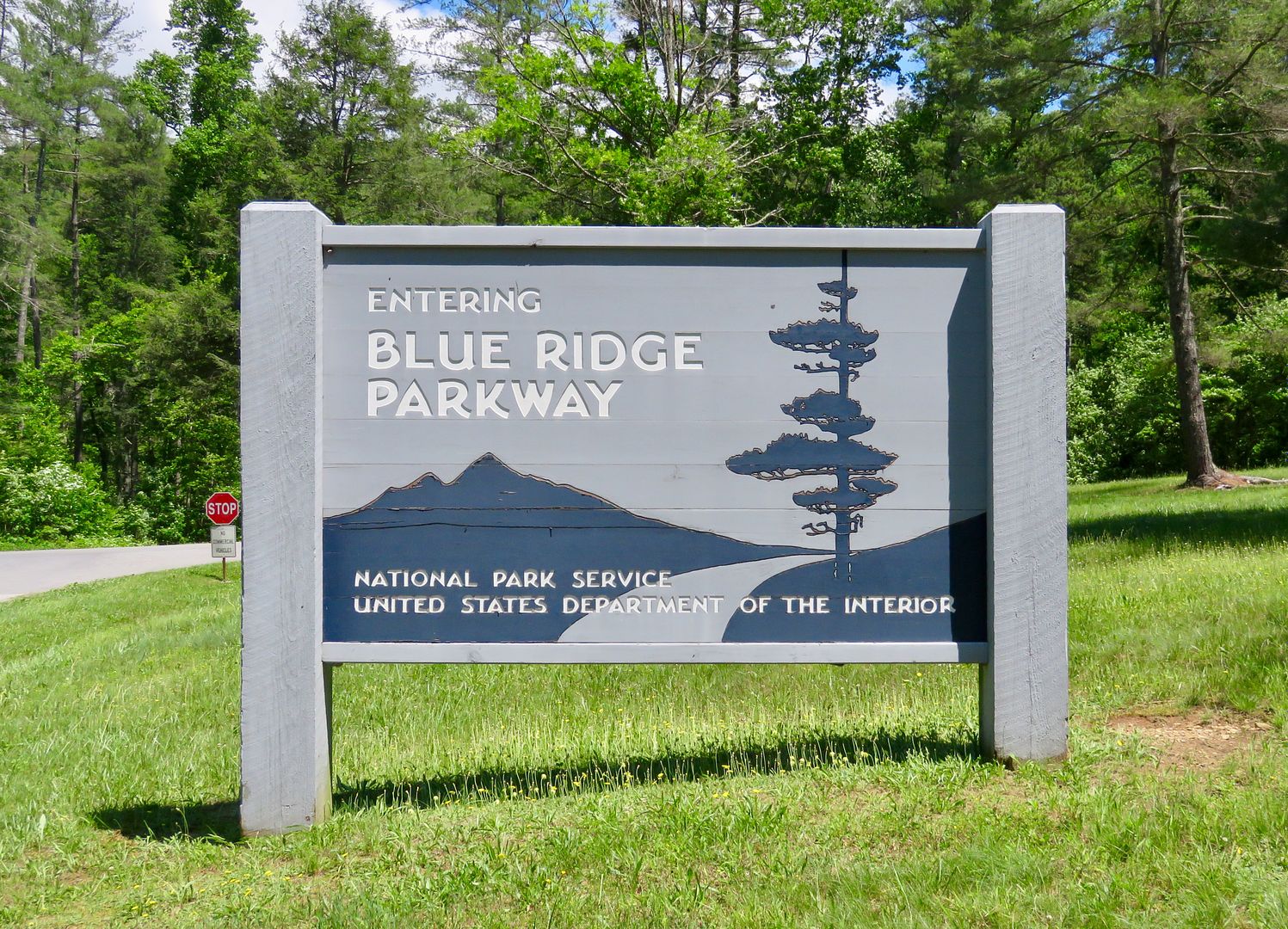
Blue Ridge Parkway, 5/26-27/2017

The Blue Ridge Parkway is just a few miles from where we were staying in VA (Lynchburg NW/Blue Ridge KOA). The Parkway connects the Great Smoky Mountains and Shenandoah National Parks (NC and VA) extending 469 miles along the crests of the southern Appalachian Mountains. There are 26 primary sites along the parkway with visitor activities (visitor centers, lodging/campgrounds, hiking, fishing, ranger-led activities, etc.)  


The first time we stopped at the James River Visitor Center it was closed. When we returned on the 27th with John's sisterNancy, and her husband, John, it was open. We picked up a National Park system brochure that provides great information about the entire parkway (as we were at the northernmost part of it).
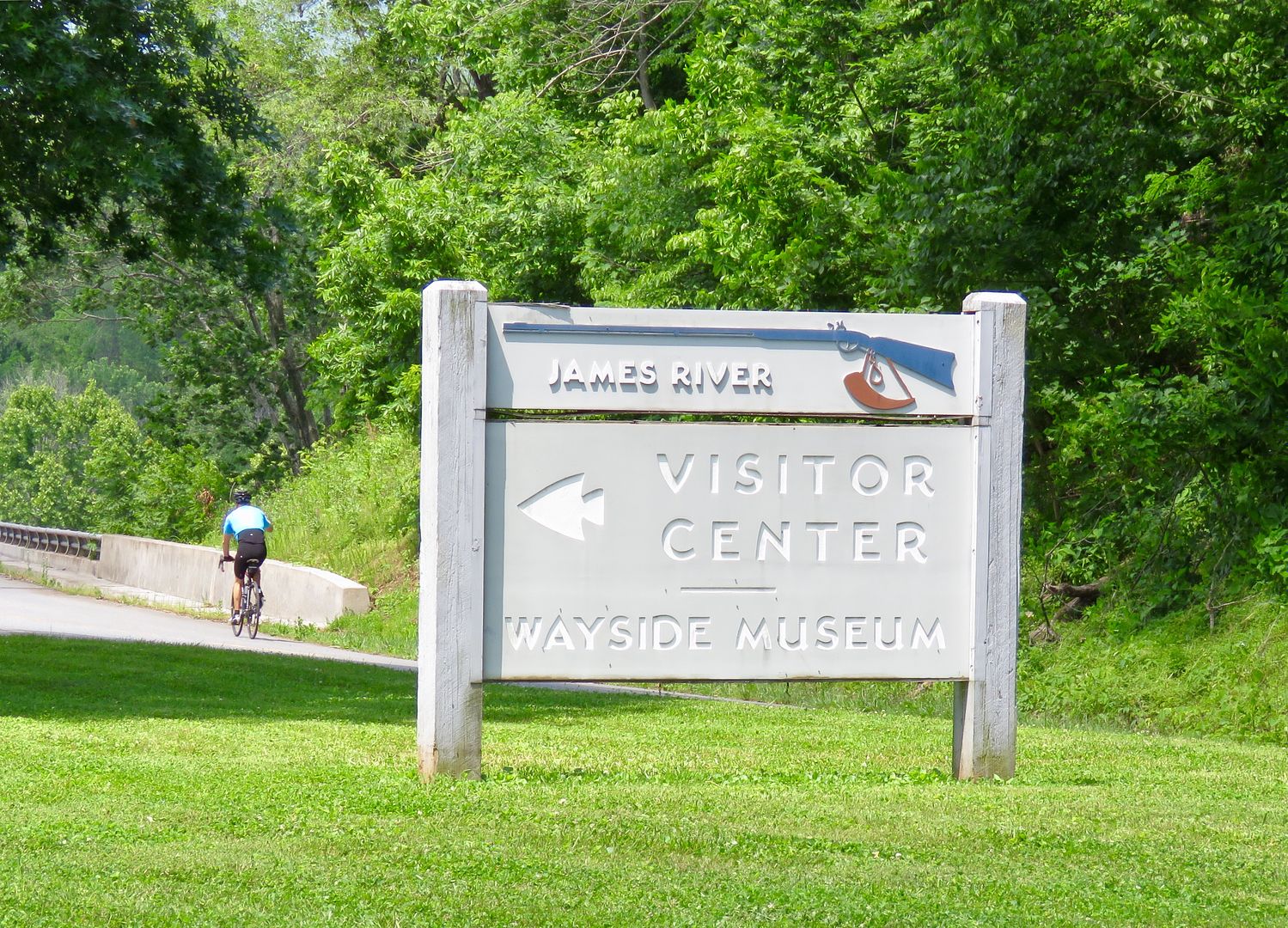

Nancy and John live in Roanoke and met us at our campground for the day. It was wonderful spending time with them!  After lunch, we decided to check out the trails at James River

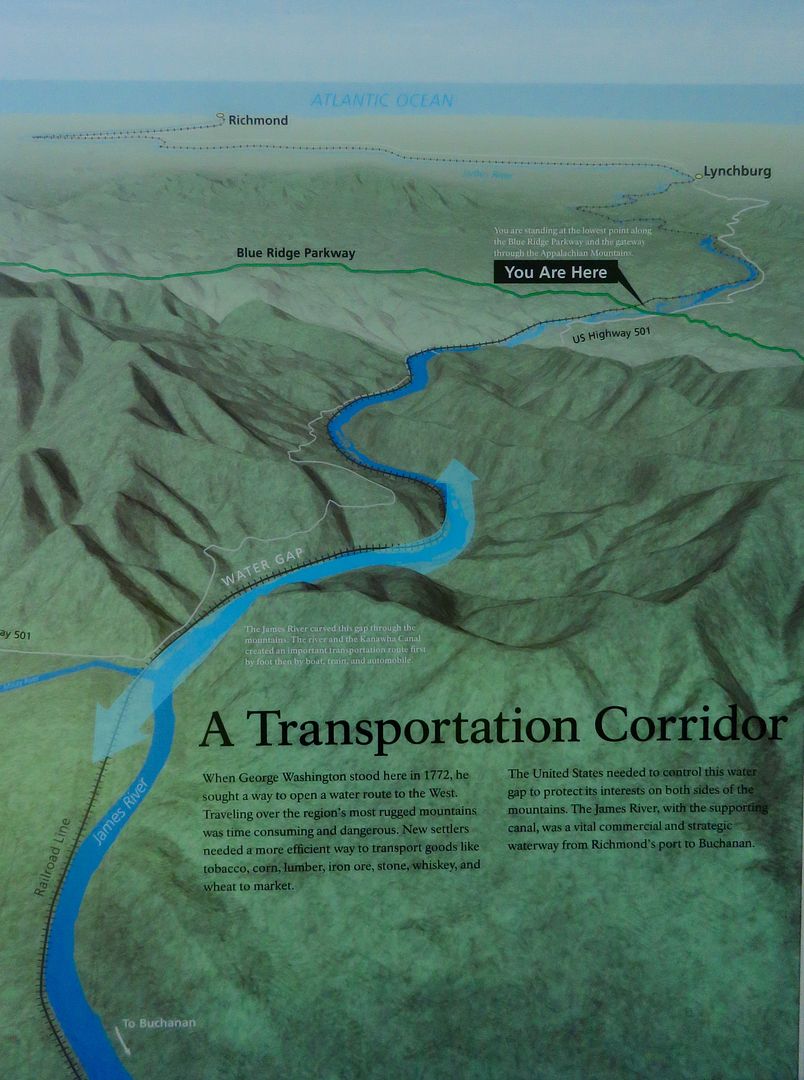
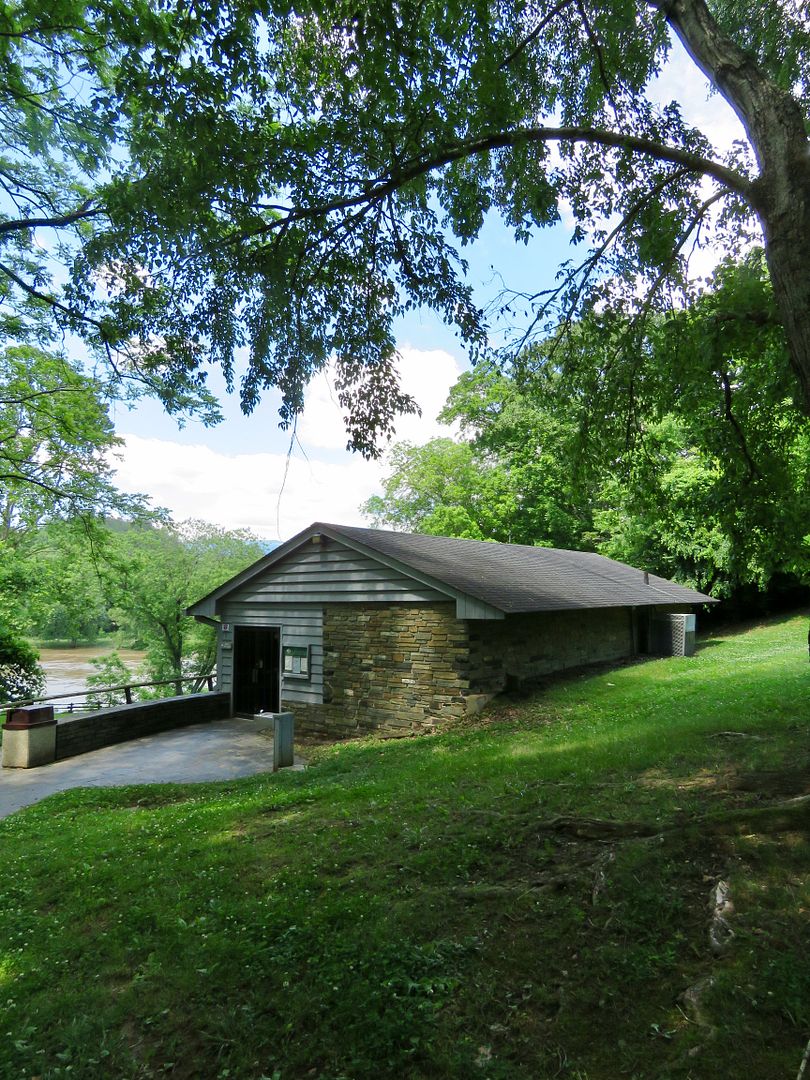
There is a small display at the Visitor Center about the area. The James River was a very important transportation route in this part of the country until the expansion of railroads in the late 1800s. 


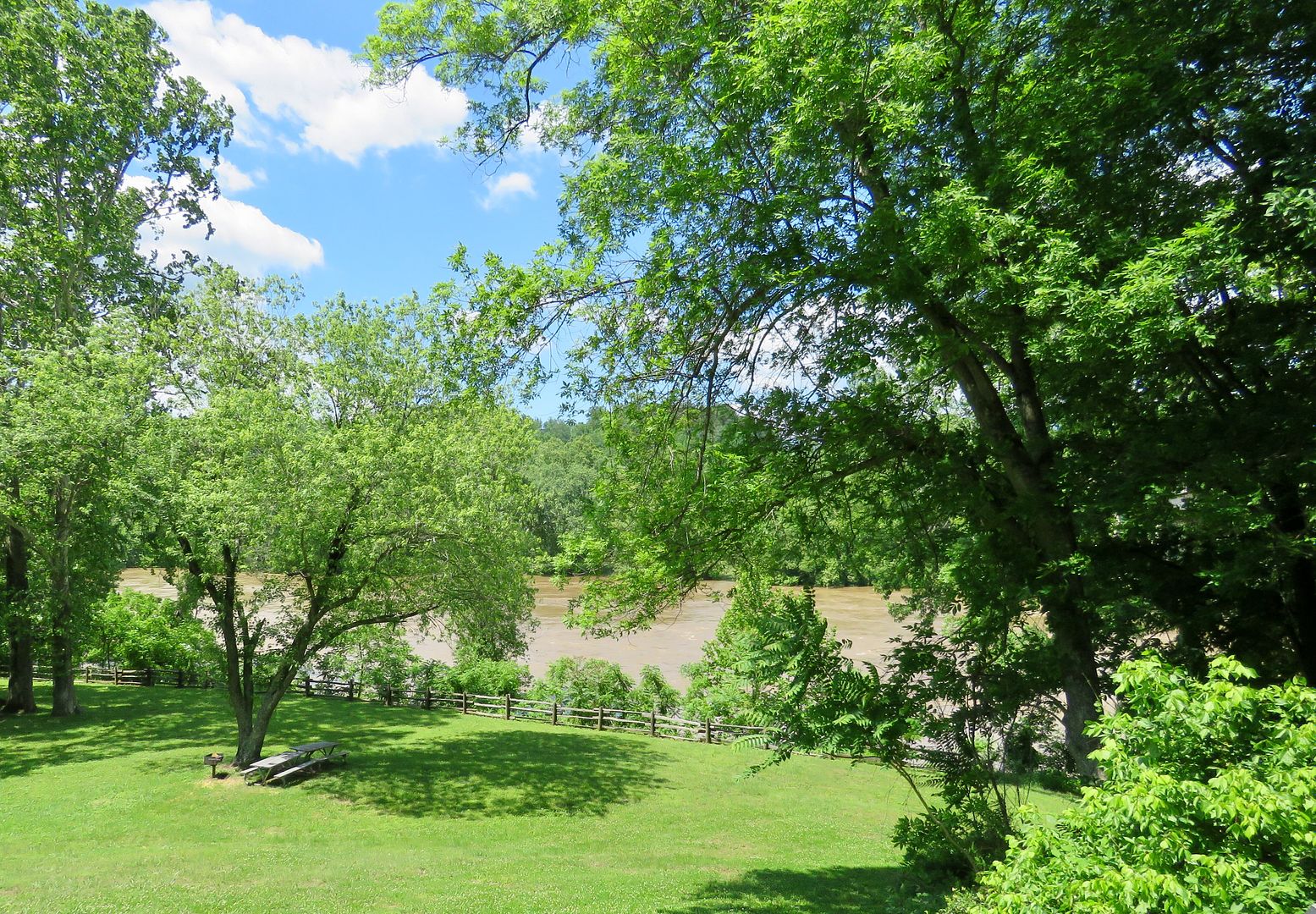
There is a lovely picnic area near the river below the Visitor Center. 

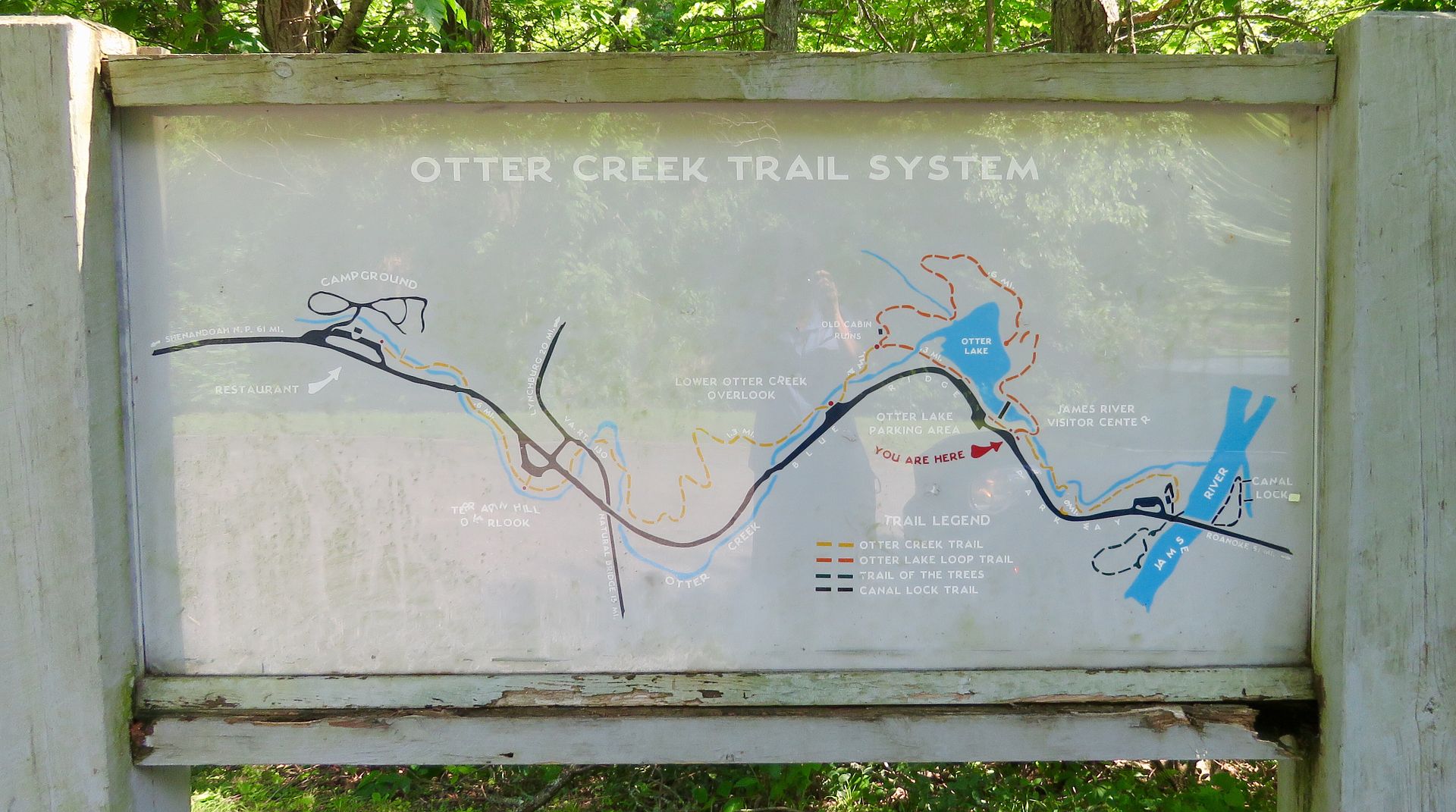
There are two short trails here, the Canal Lock Trail and the Trail of the Trees


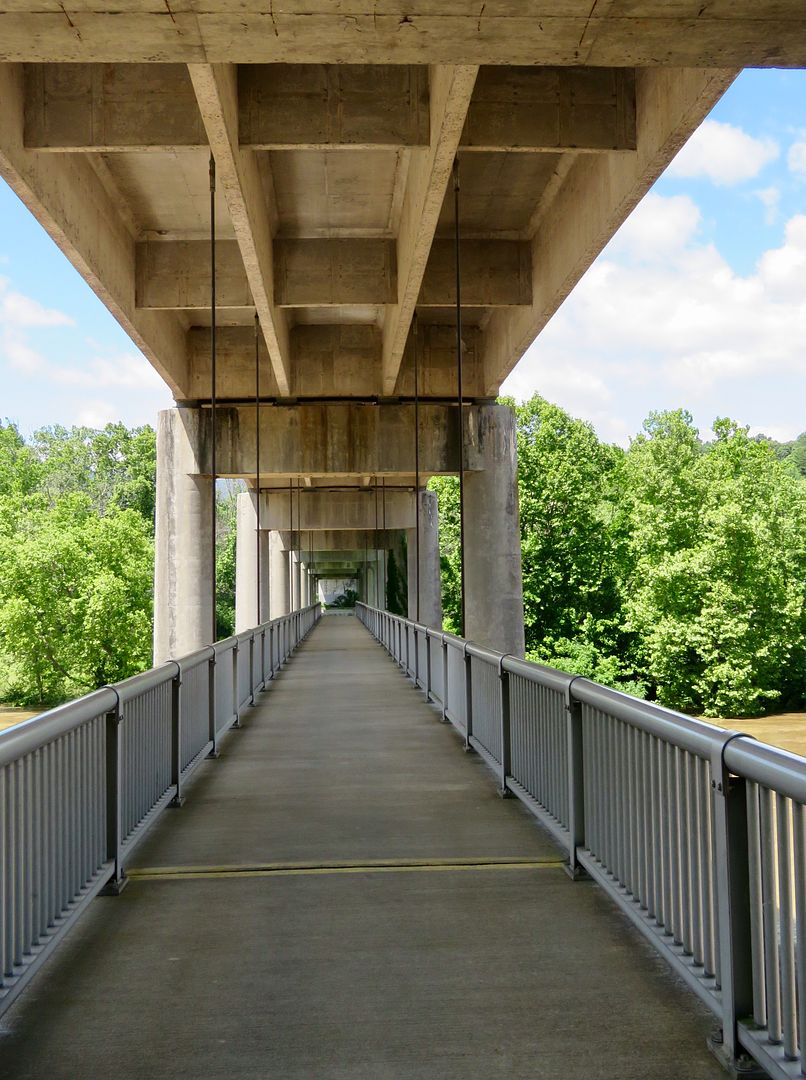
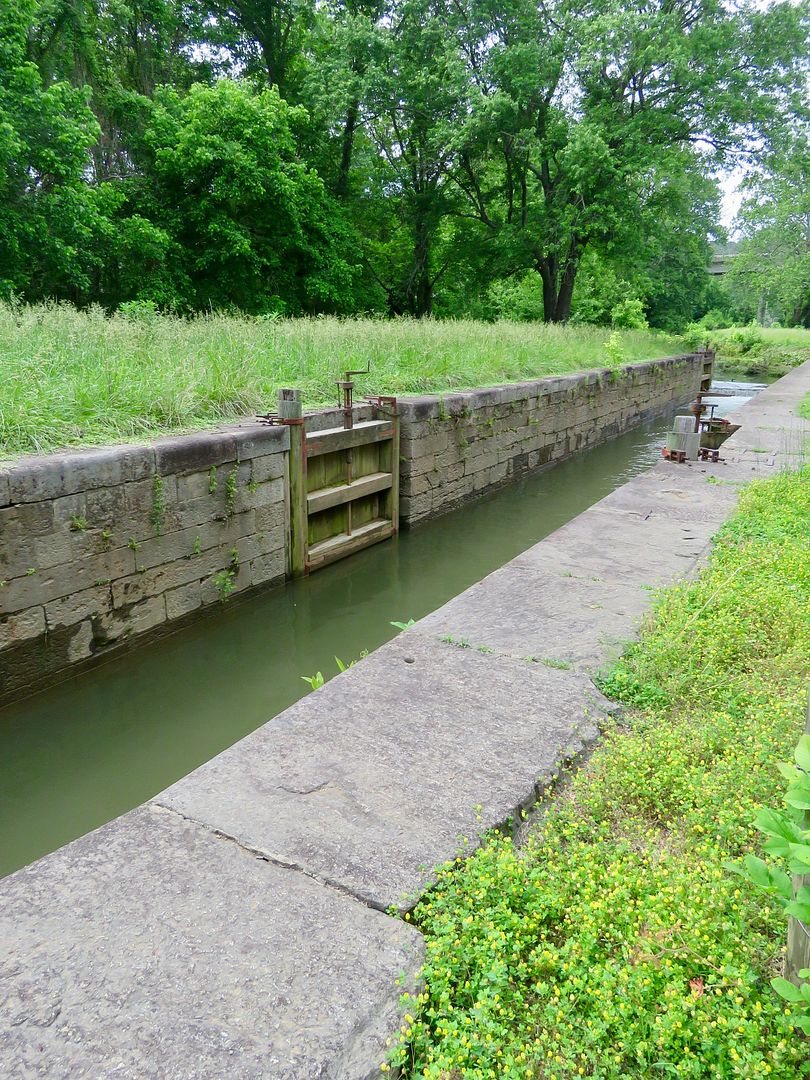
We hiked both; starting with the Canal Lock Trail. There is a pedestrian walkway underneath the Harry FByrd Bridge that leads to the locks.


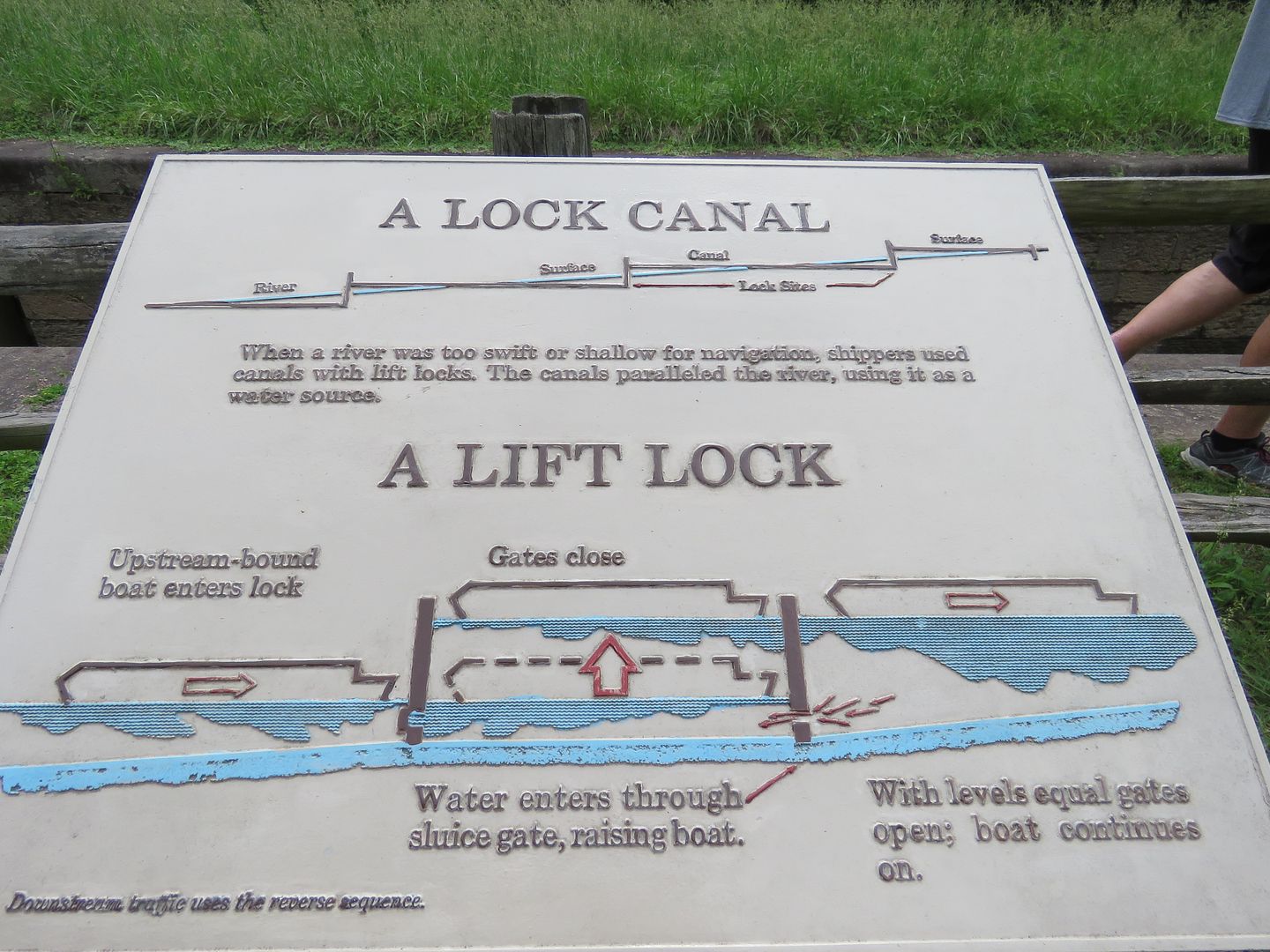
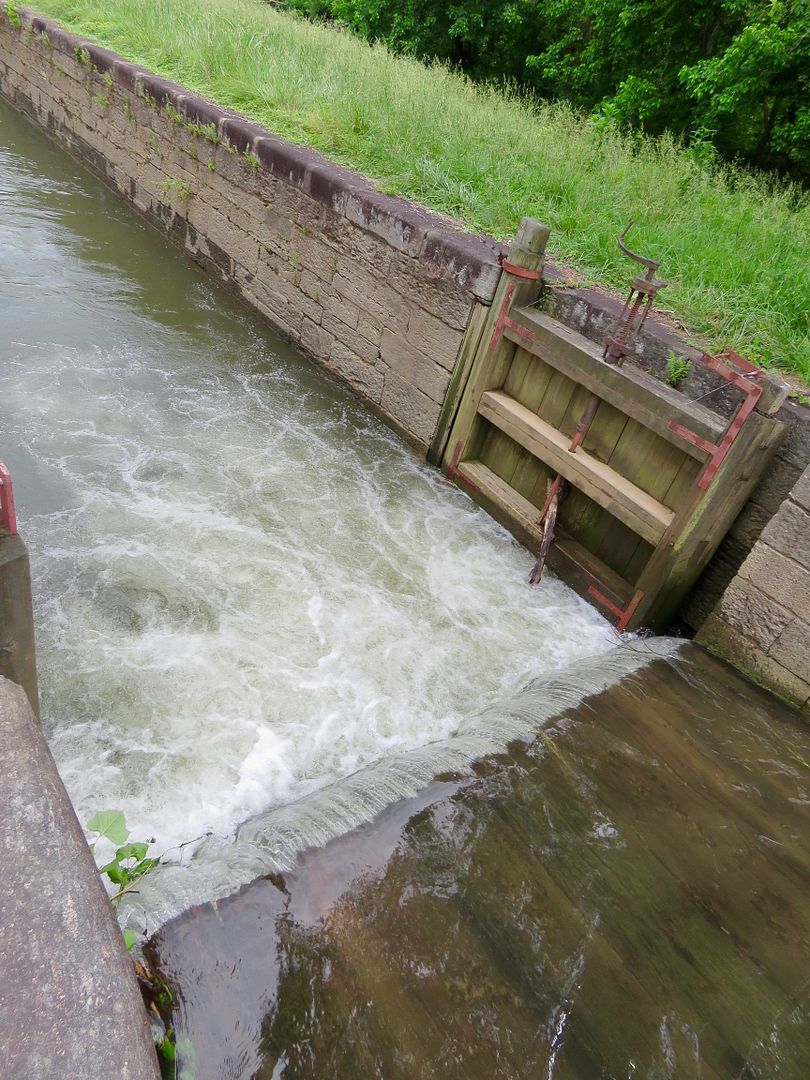
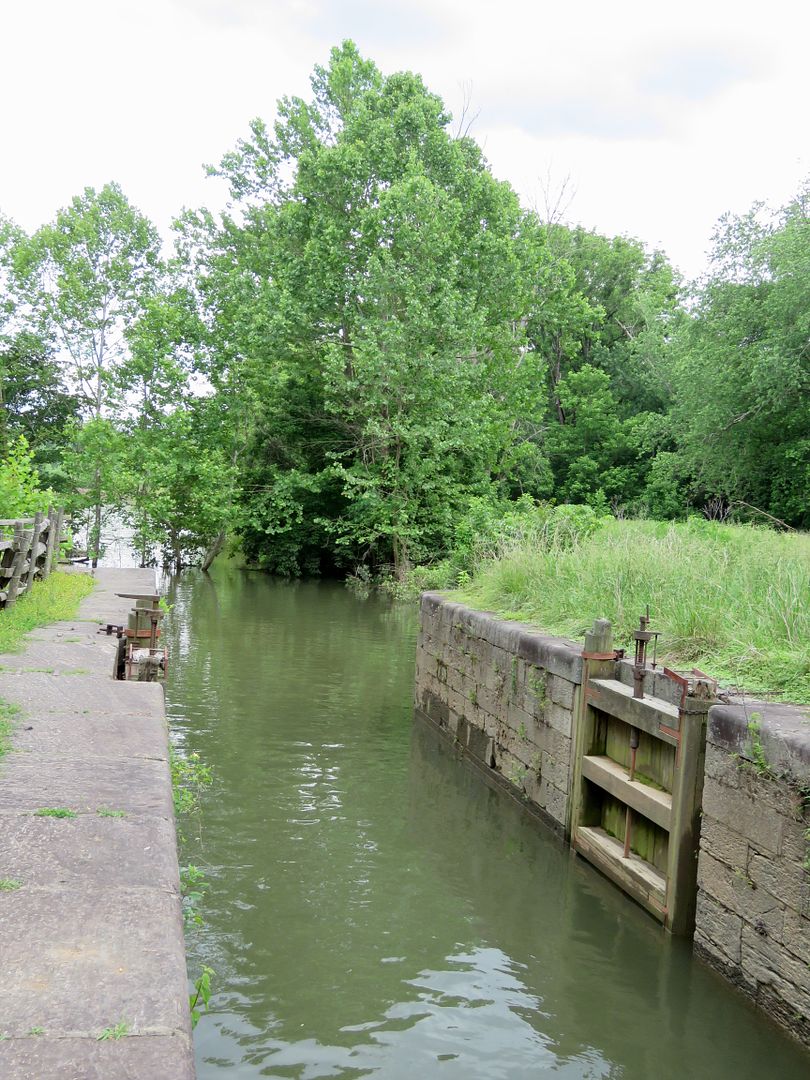
The Battery Creek Lock has been restored here. Built in 1851, it was a lift lock 15' wide, 21' deep, and 100' long (i.e., between gates) and lifted a boat 13'. Lift locks were used to lift (or lower) boats to provide passage on rivers that were too swift or too shallow for navigation


The bottom of the canal had pine planking and the walls were of local stone. The lock system ran parallel to the James River. 
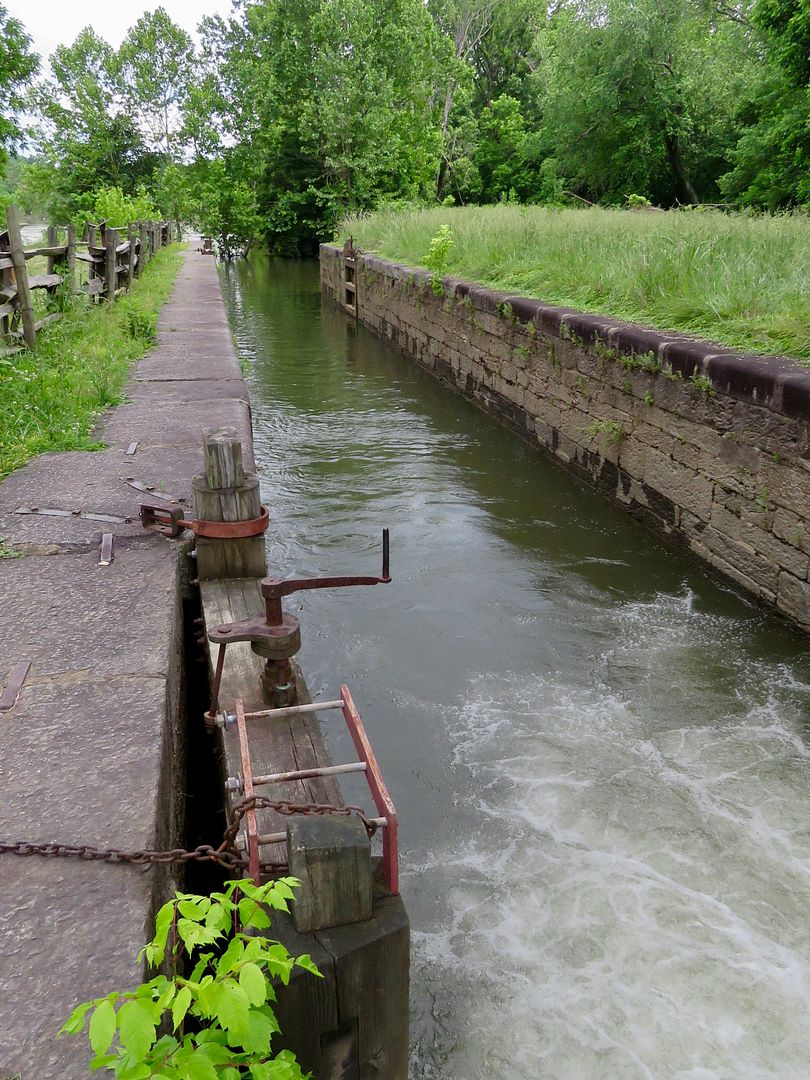


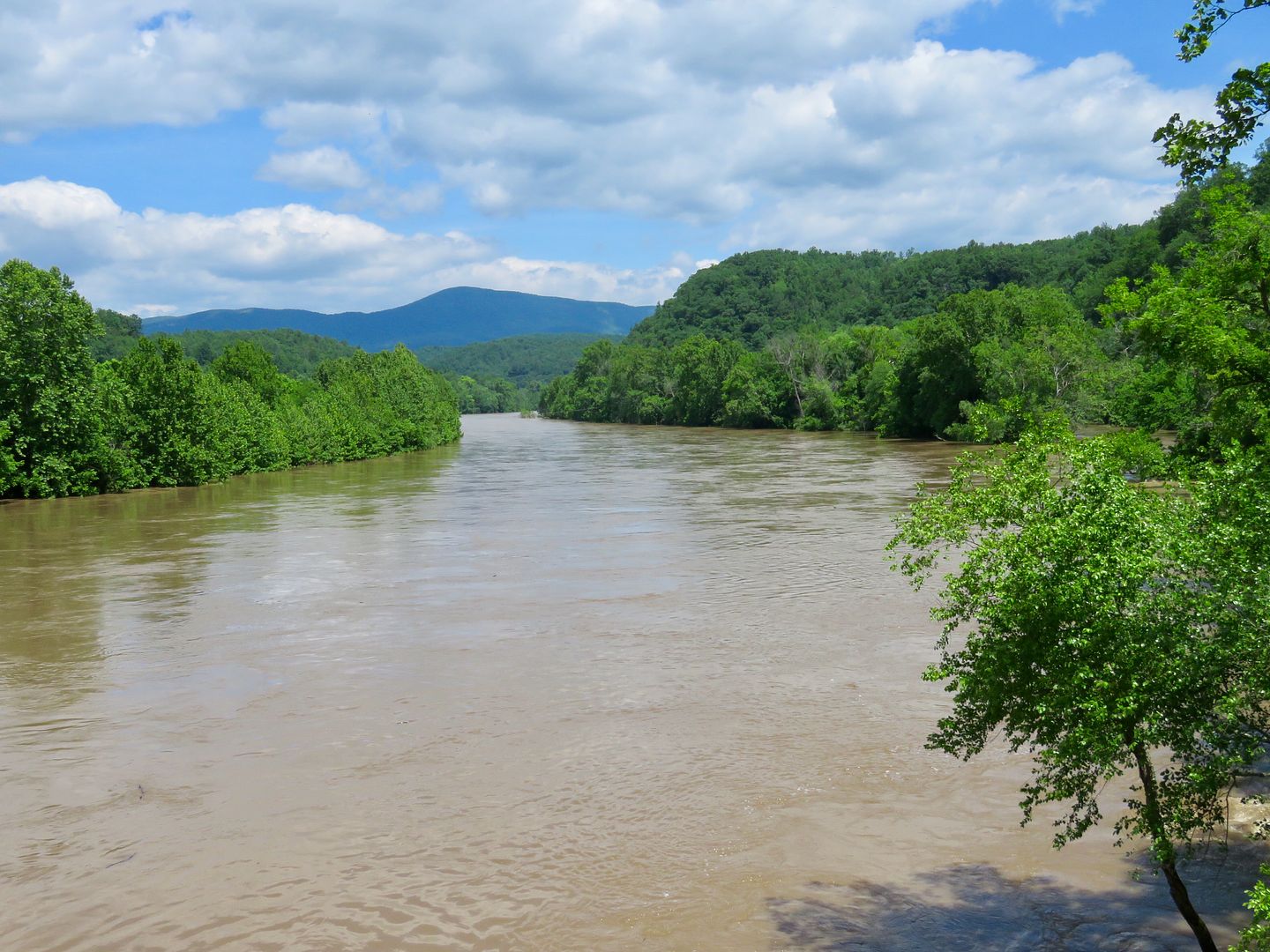
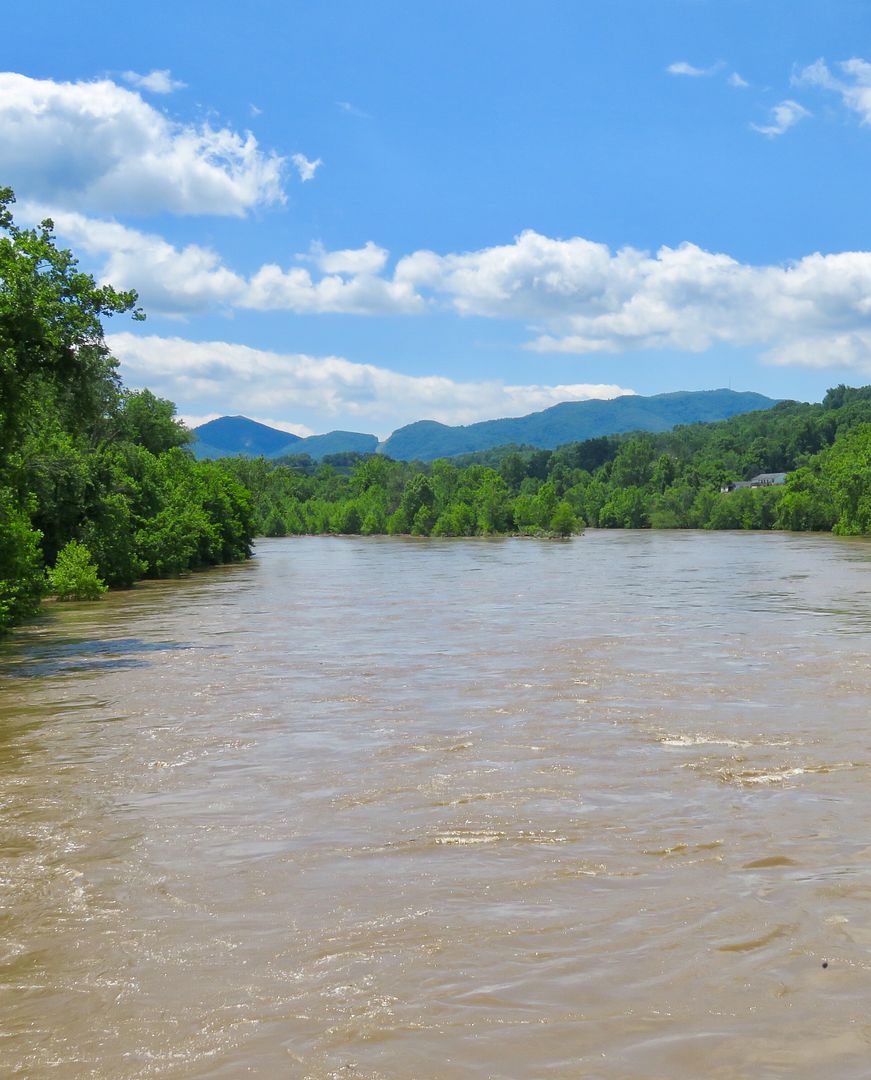
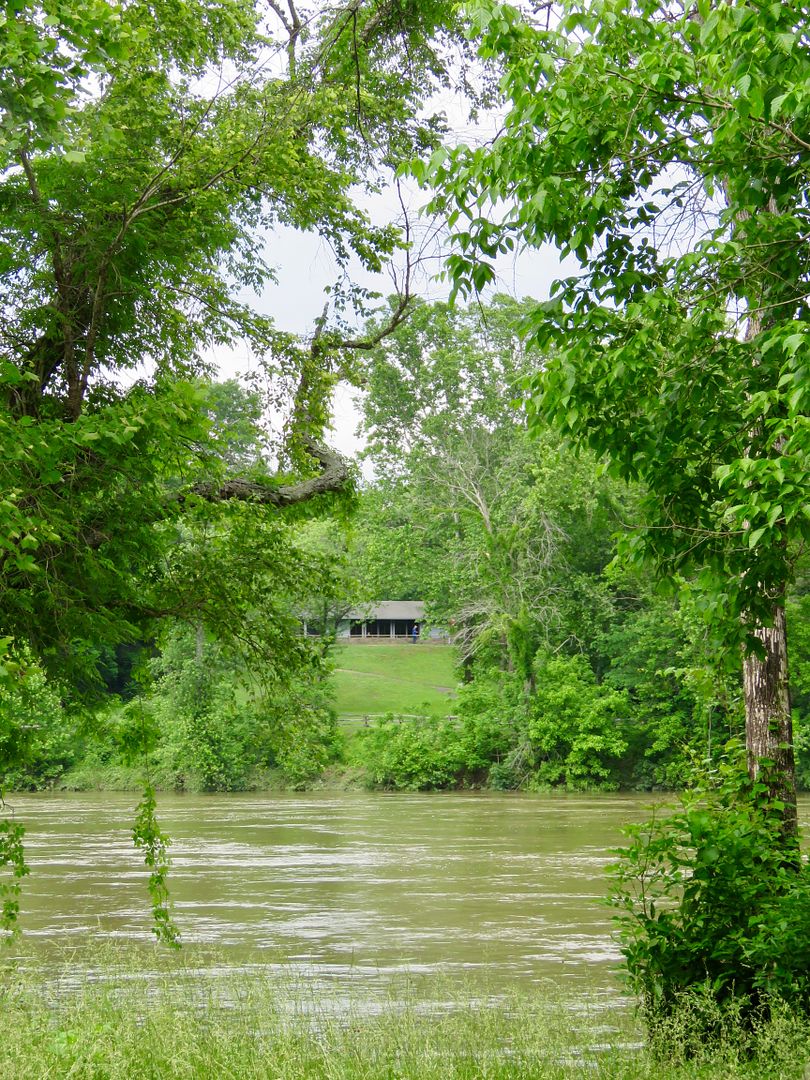
We retraced our steps along the river (the Visitor Center can be seen on the opposite bank) and across the river to reach the Trail of the Trees trailhead. 


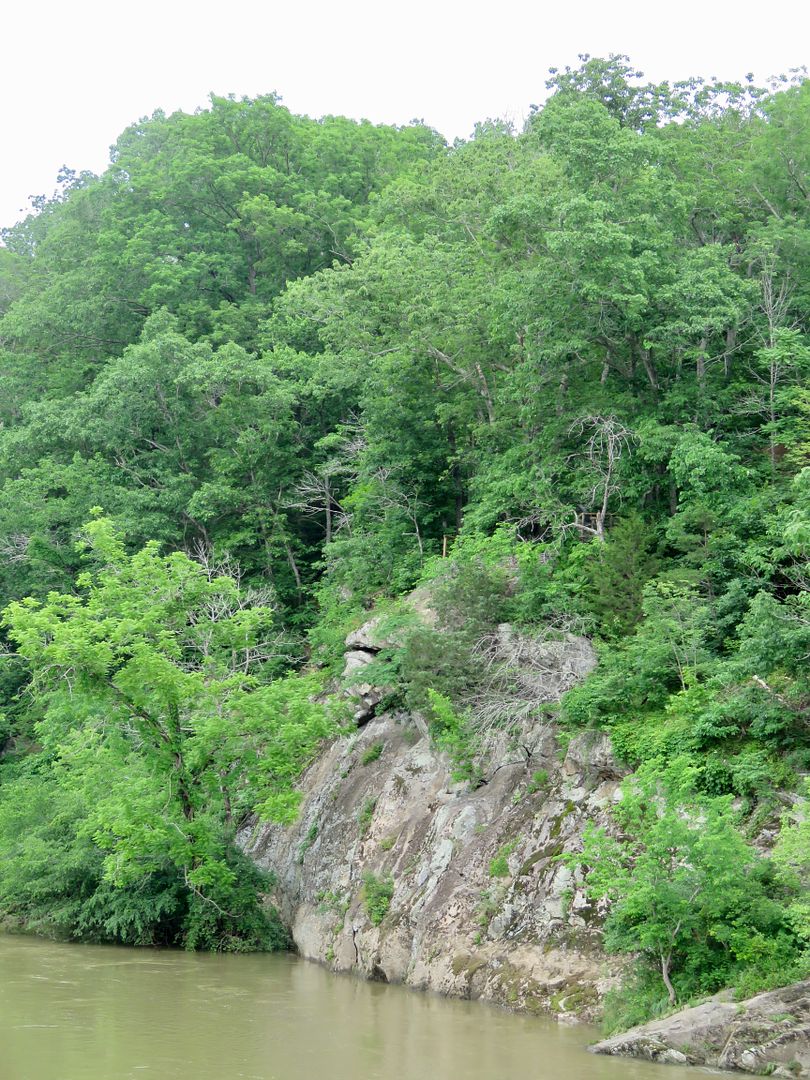
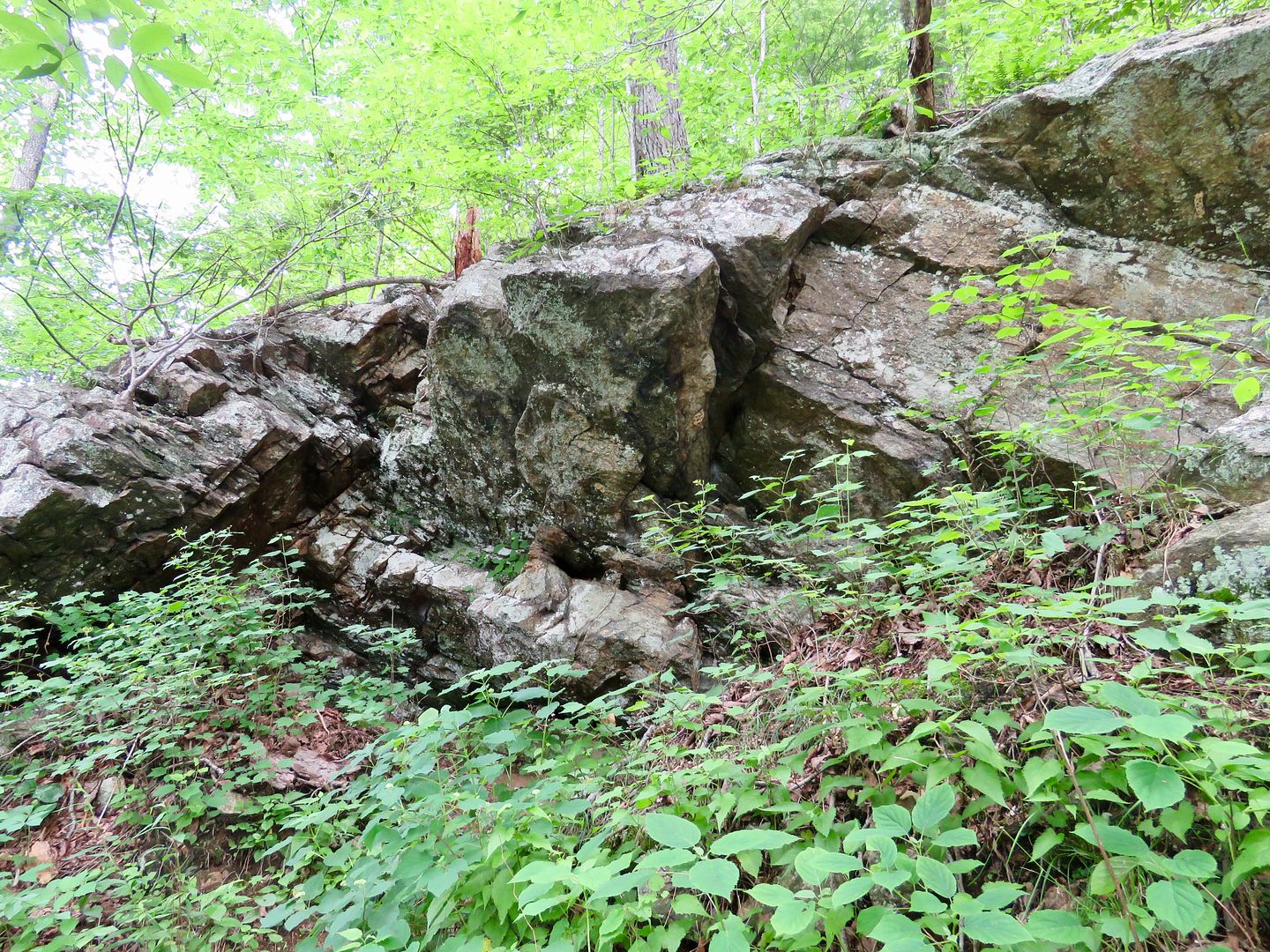
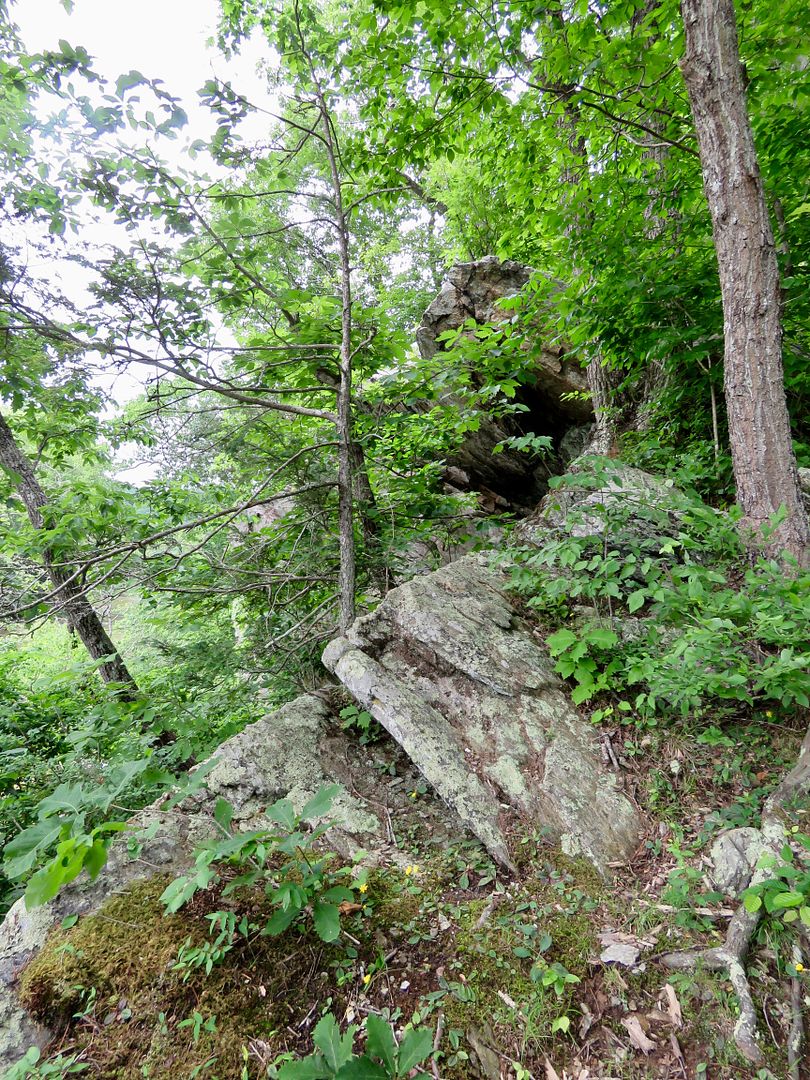
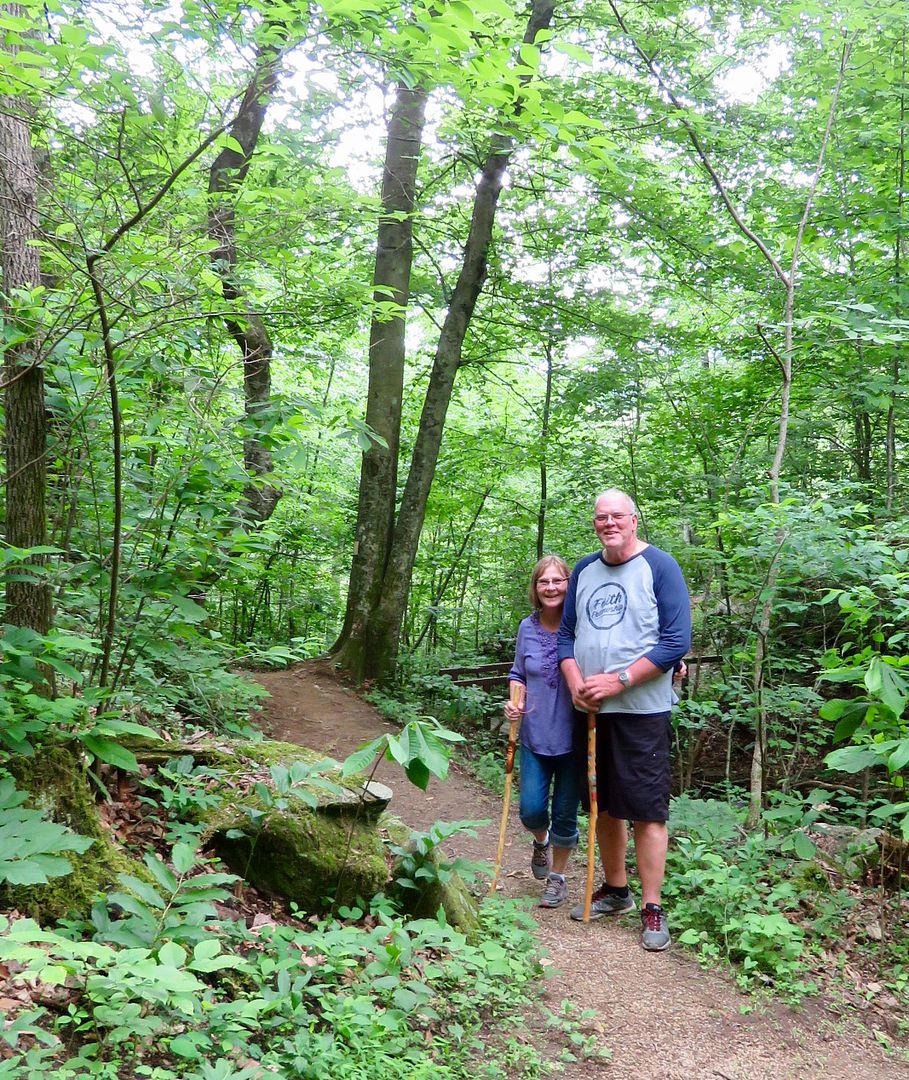
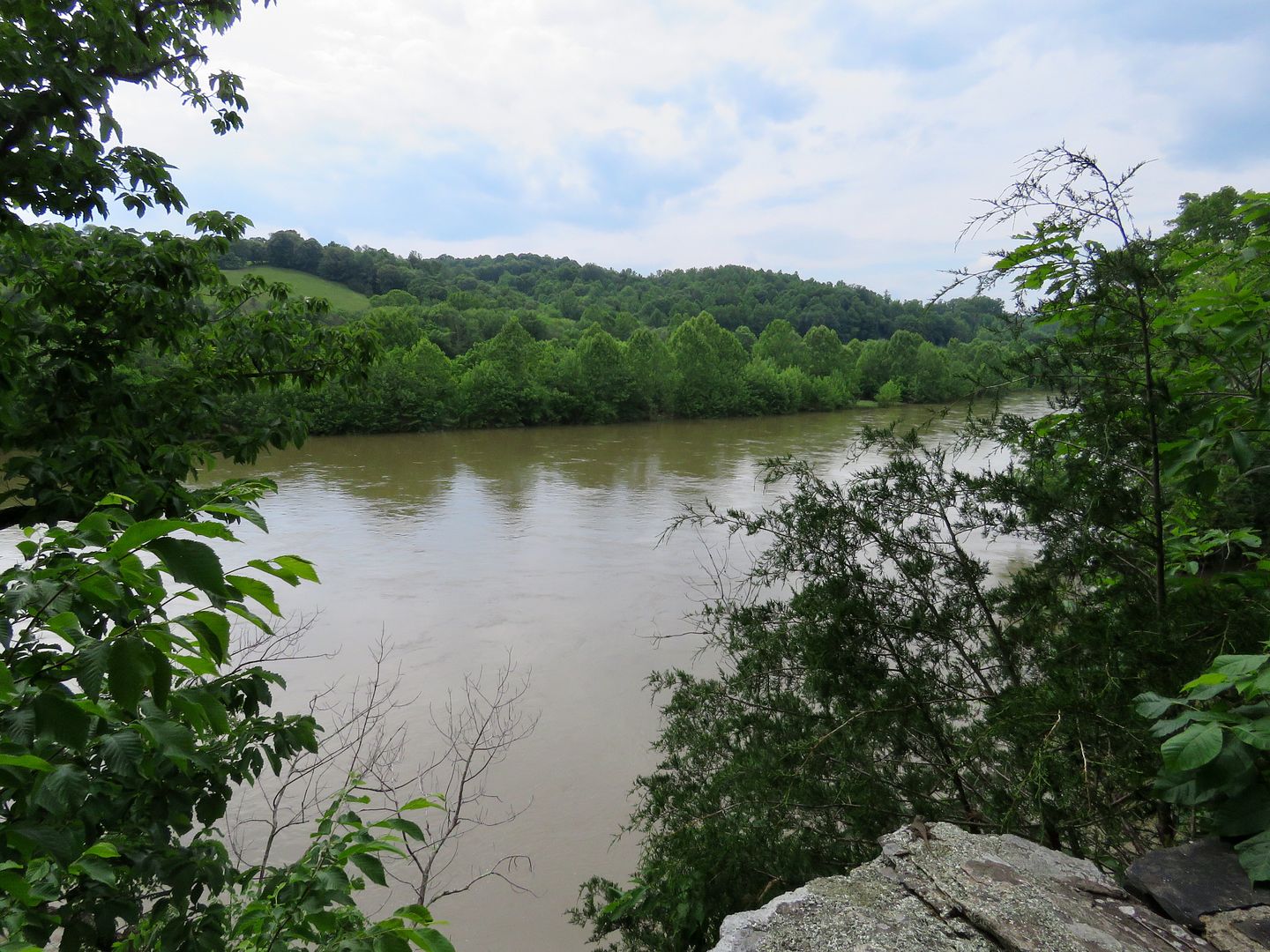
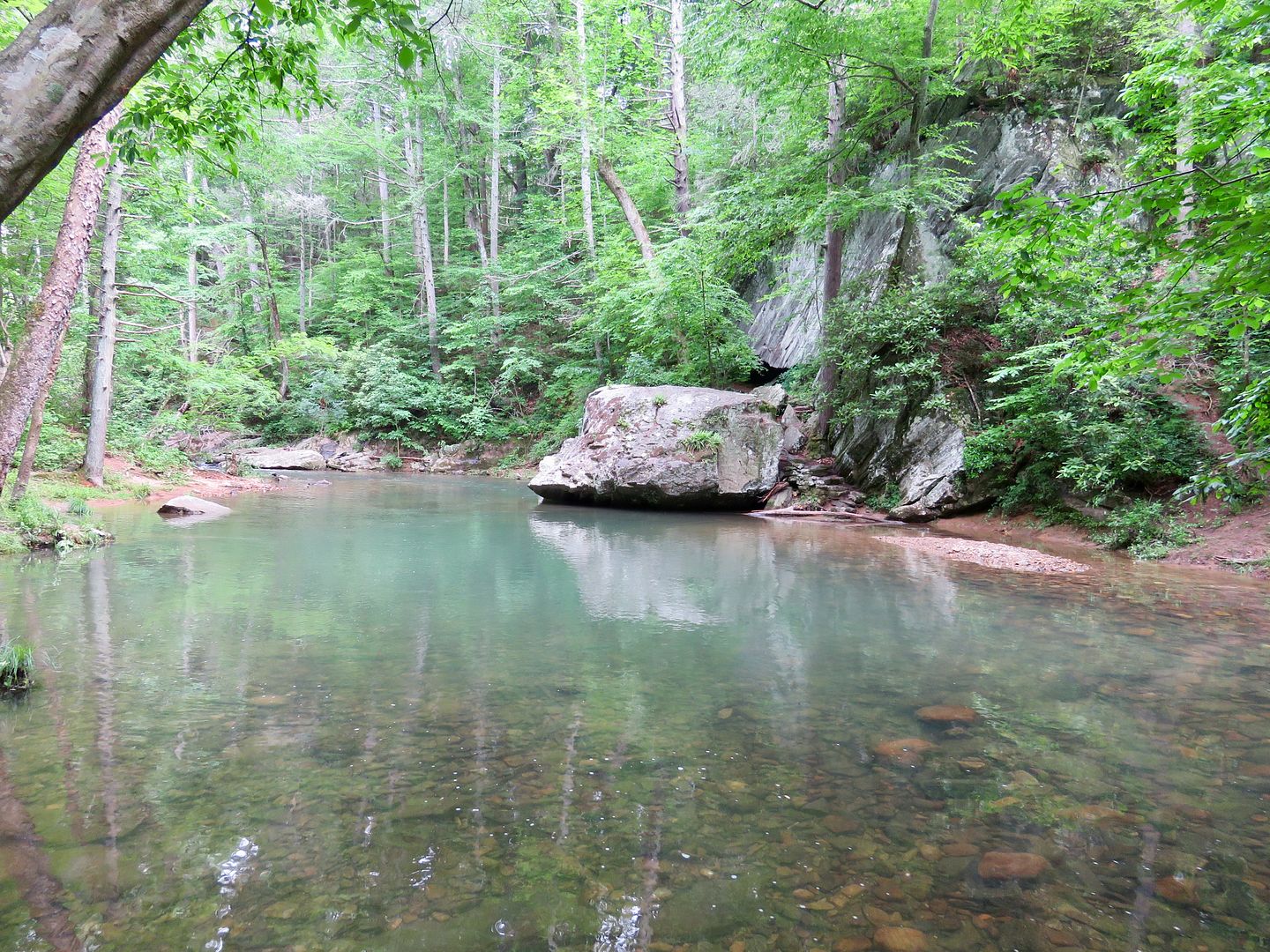
This was a lovely 30 minute hike through a mixed hardwood forest to an overlook of the James River. The river has caused exposure of geologic formations that are more than 500 million years old. It is mostly volcanic and sedimentary rocks. Also shown are our hiking buddies, Nancy and John


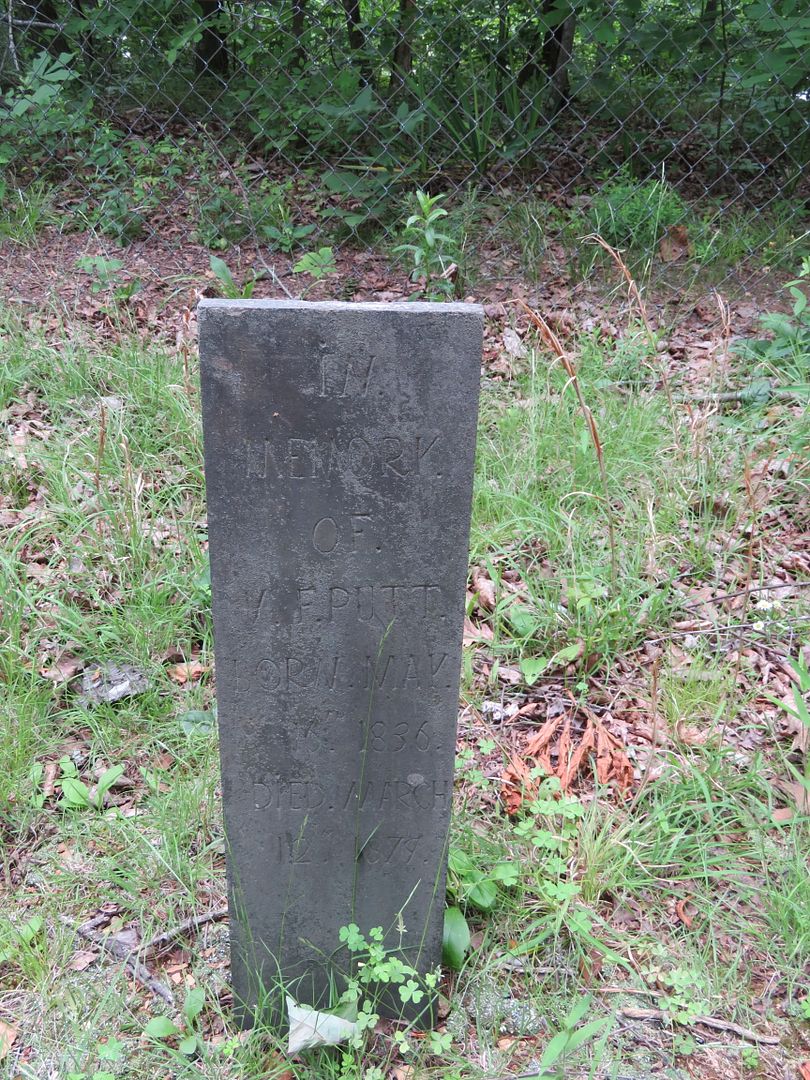
As we were concluding the Trail of the Trees hike, we came upon the Putt's Cemetery. It is apparently a family burial plot with graves dating to the 1800s (many were too old to read). The birth and death dates in the one shown below are 1836-1874.

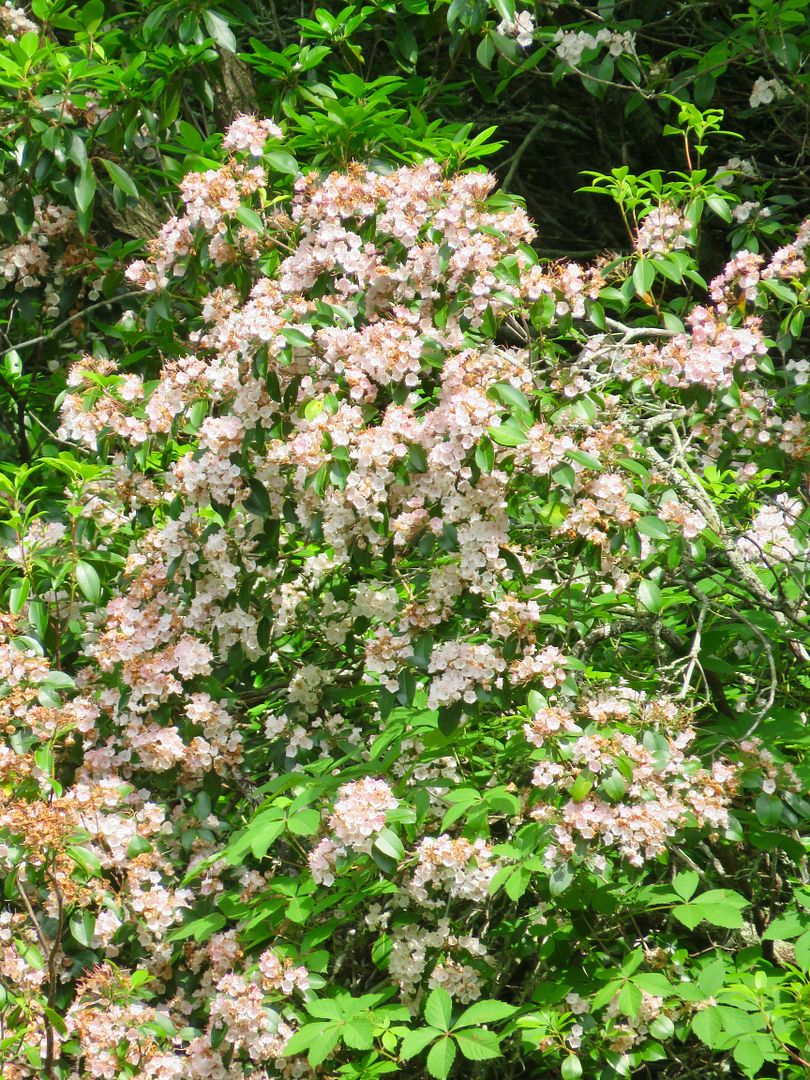
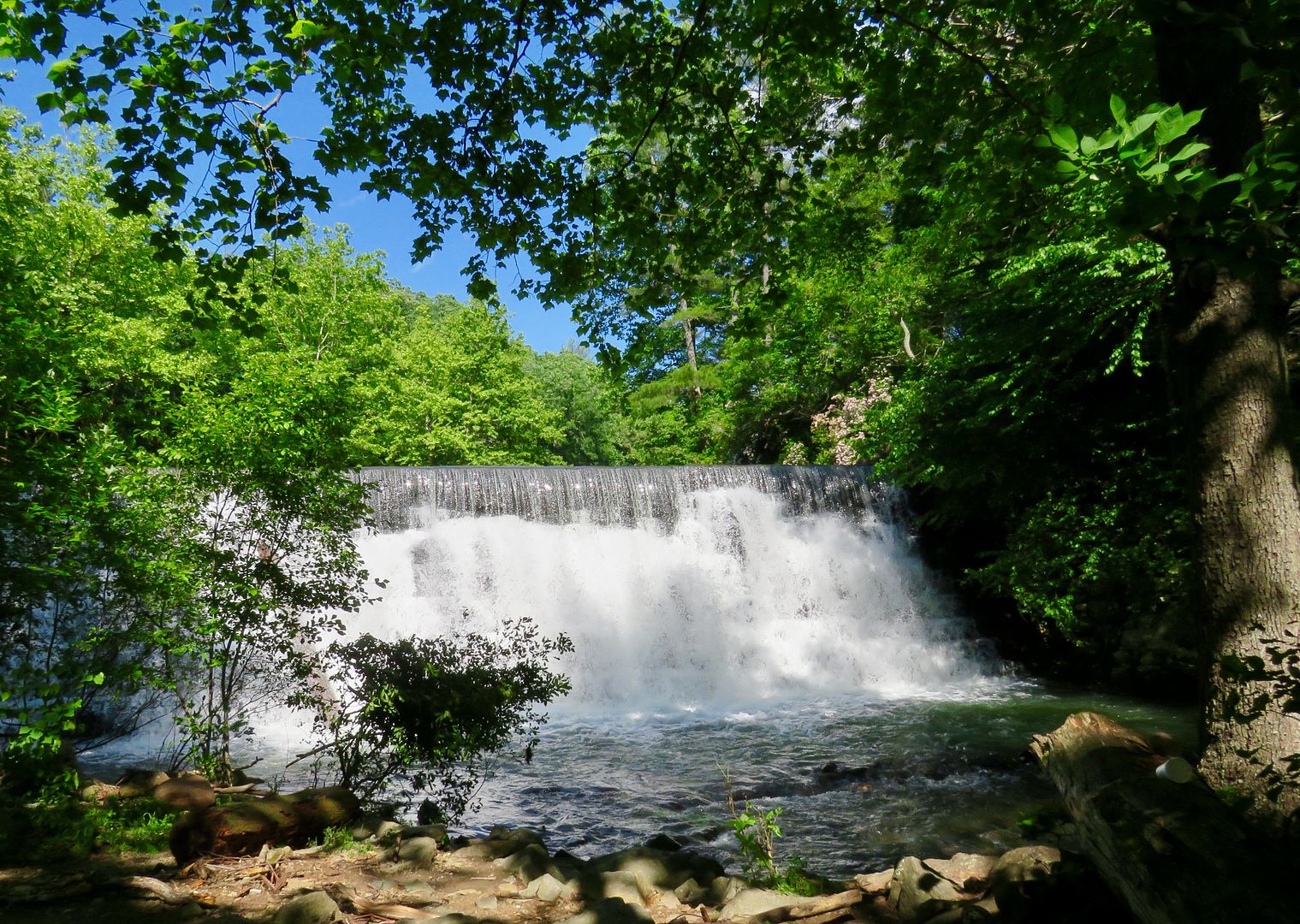
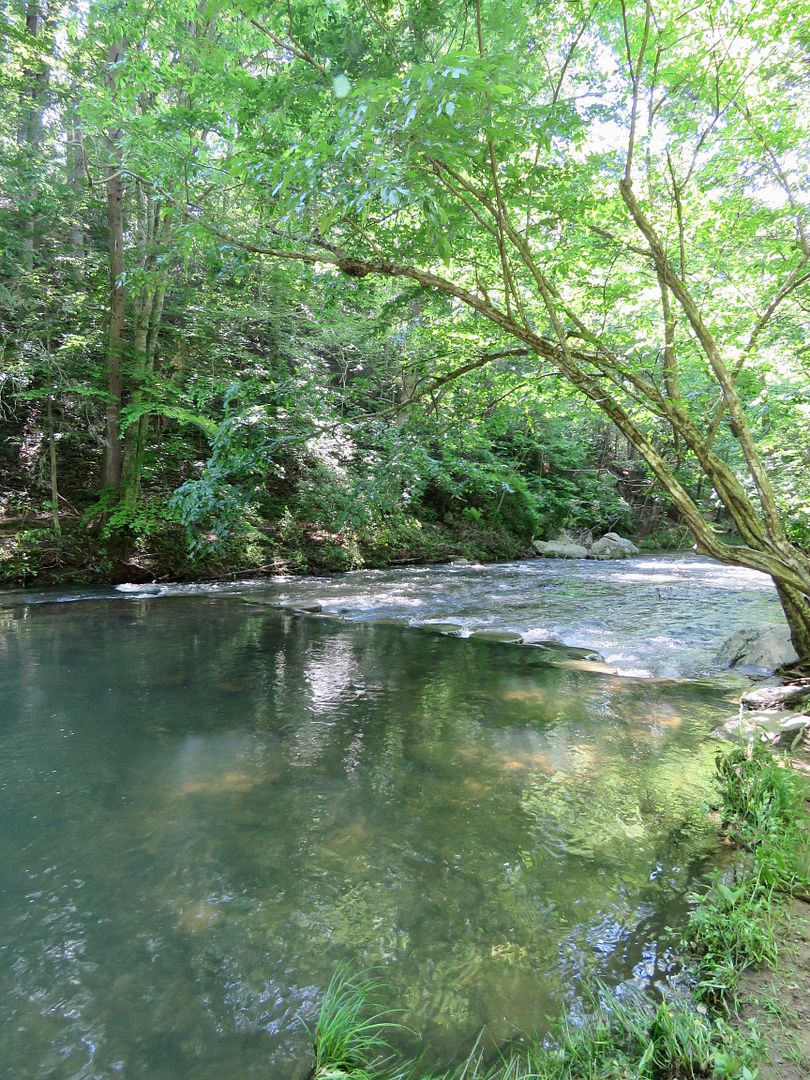
We returned to the car and drove just a short distance north on the Parkway and stopped at the Lower Otter Creek Overlook. Steps leads to the lower level of the creek where there is a lovely view of the waterfall created by the dam. Some of the azalea are still in bloom on the opposite shore.


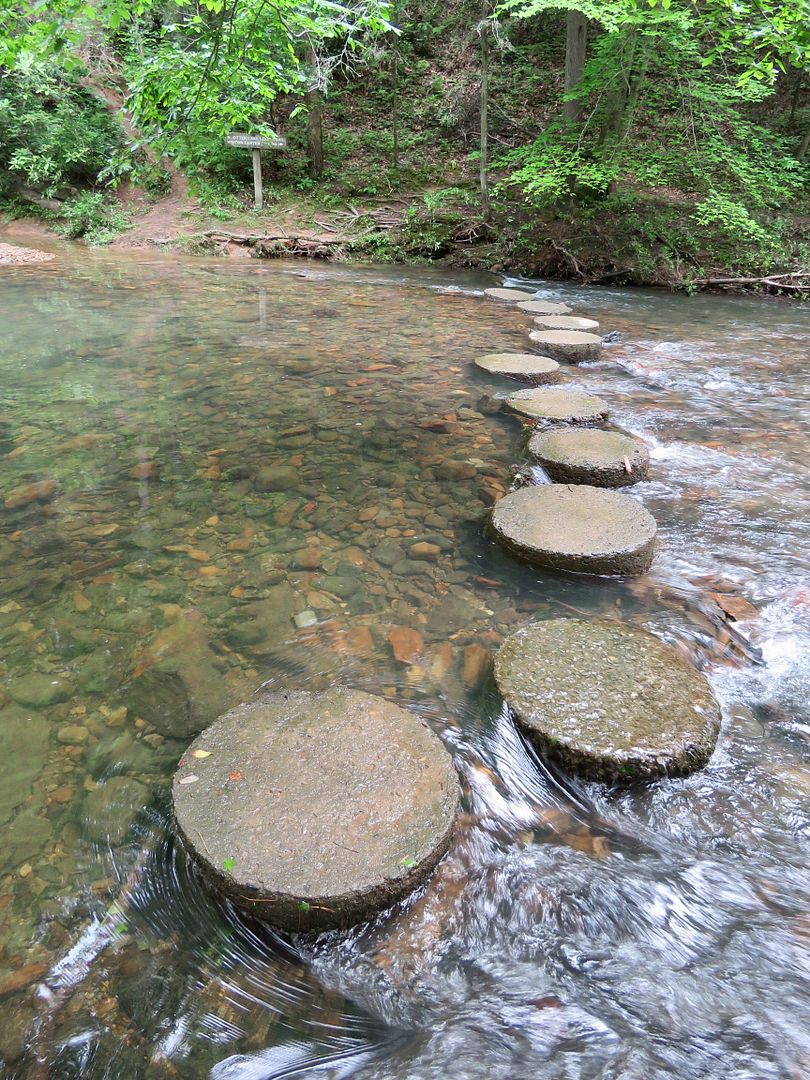
It was beautiful along the creekSteps have been built across the creek to provide access to the Otter Lake Loop Trail


We had such a nice time exploring the natural beauty of this part of the Blue Ridge Parkway. I know we need to plan to spend some time traveling along the parkway in the future. We only saw about 10 miles of the 469 miles of it!

For additional information about the Blue Ridge Parkway, see their website at www.nps.gov/blri

The four of us returned to the campground, where we had dinner cooking in the crockpot. After dinner and more catching up, Nancy and John left for Roanoke. We wished we had planned on more time together! It was great to see them

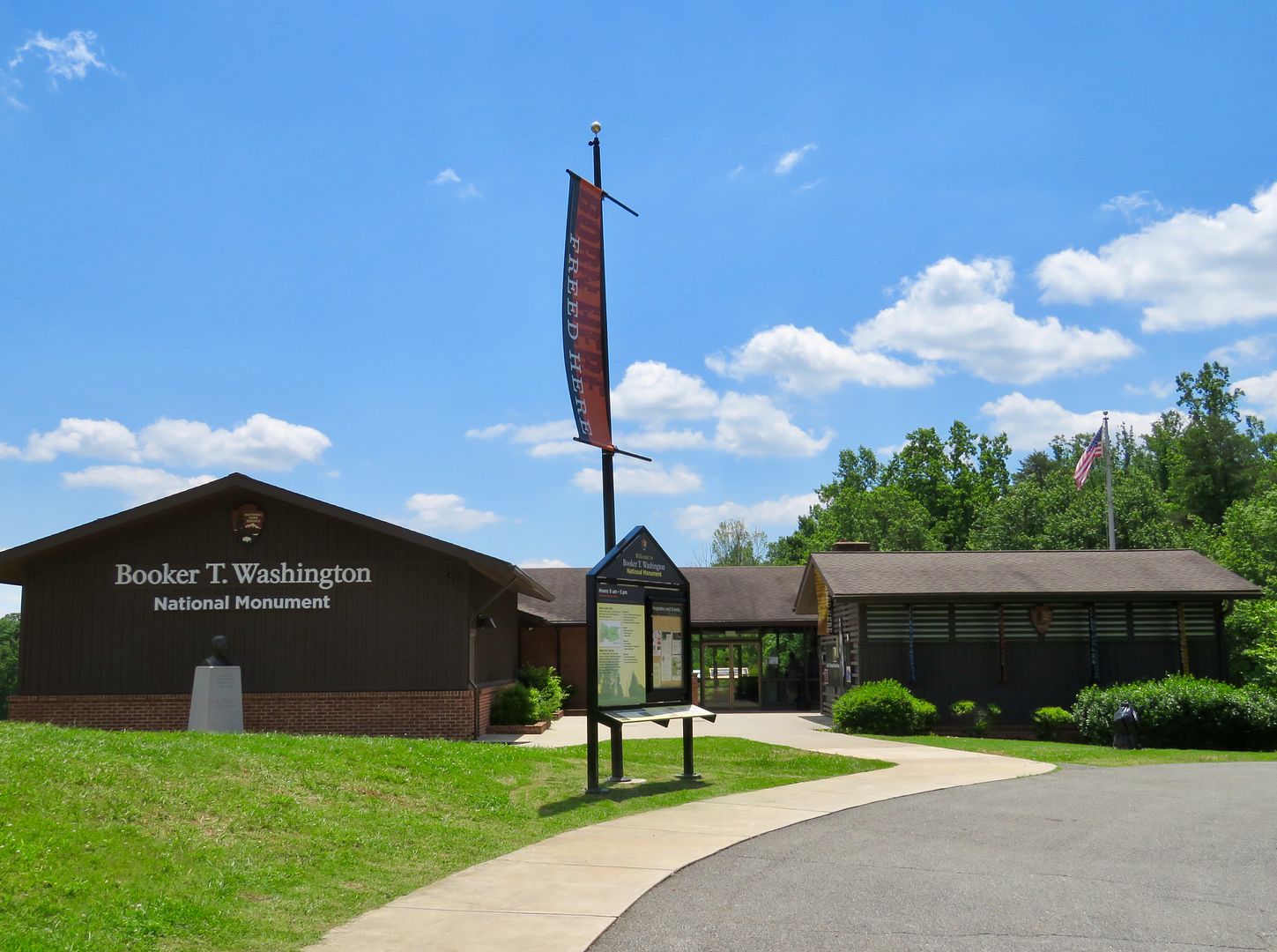
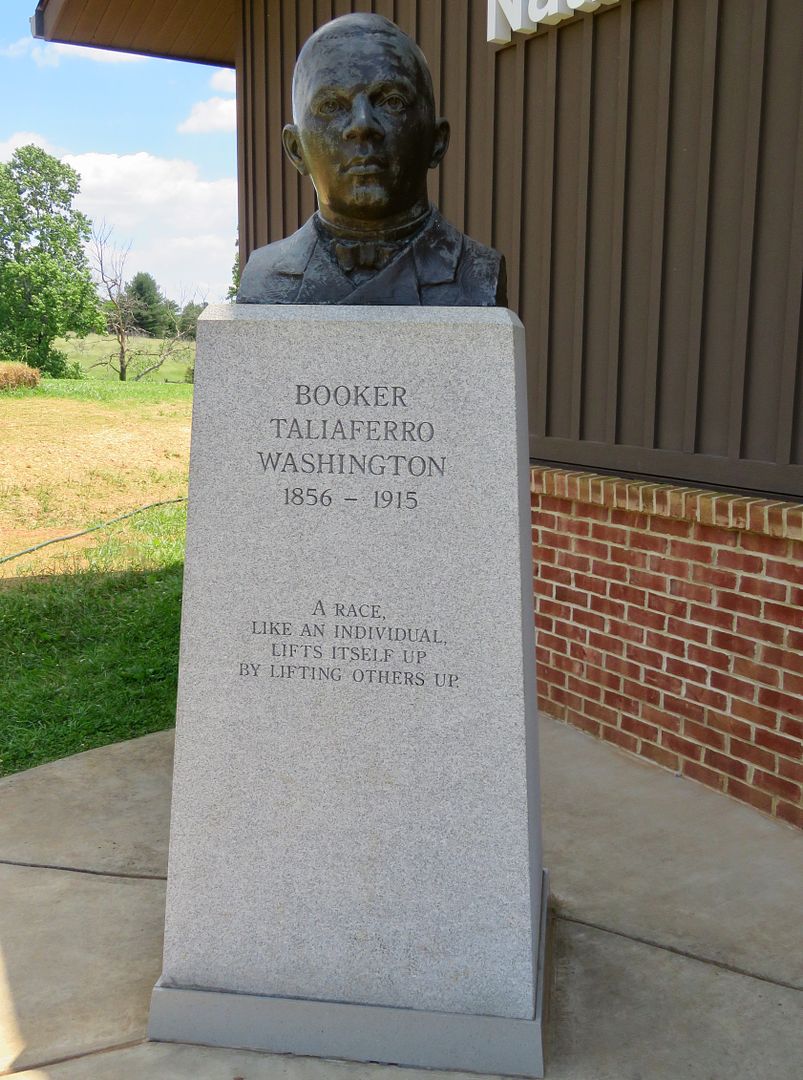
Booker T. Washington National Monument, 5/26/2017

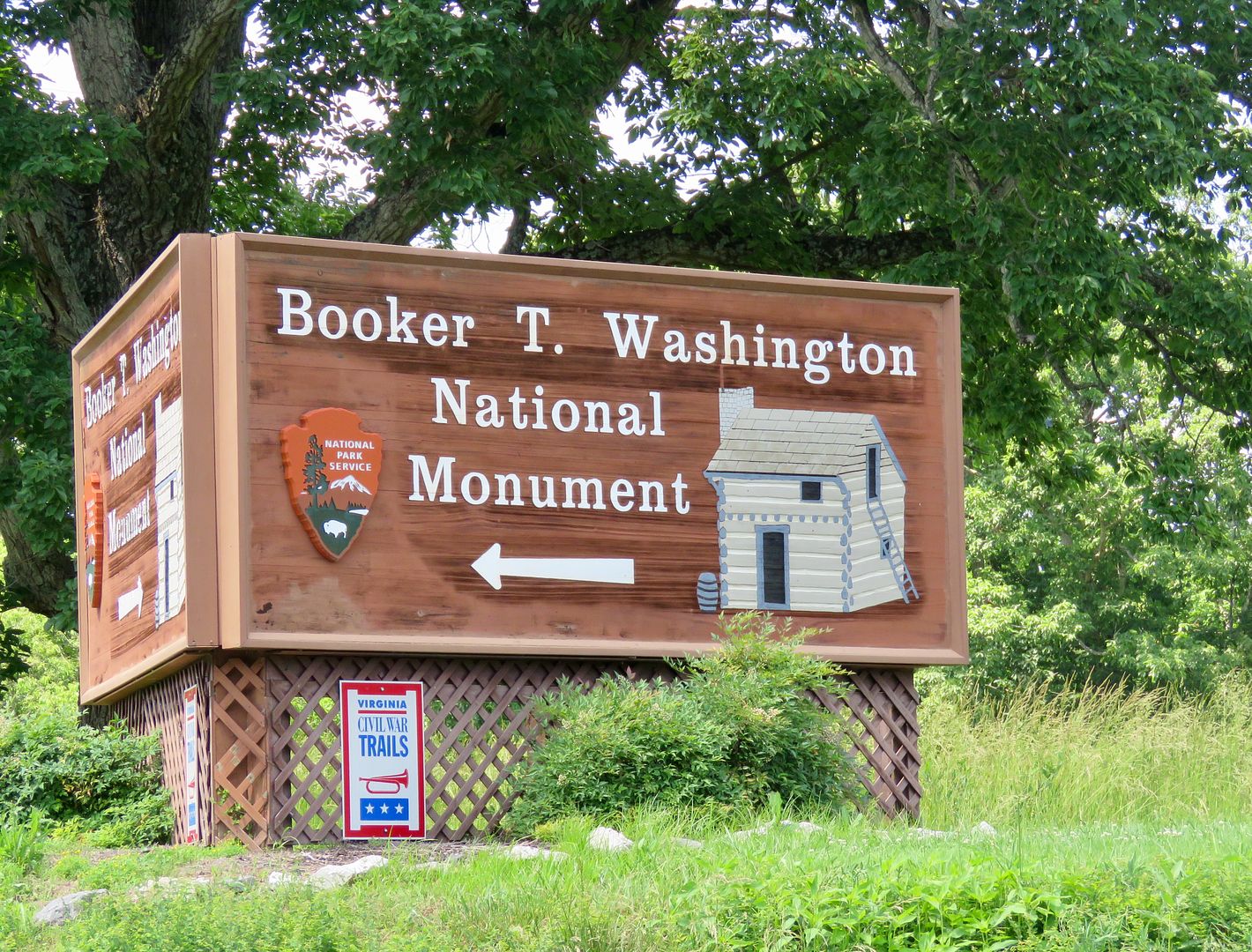
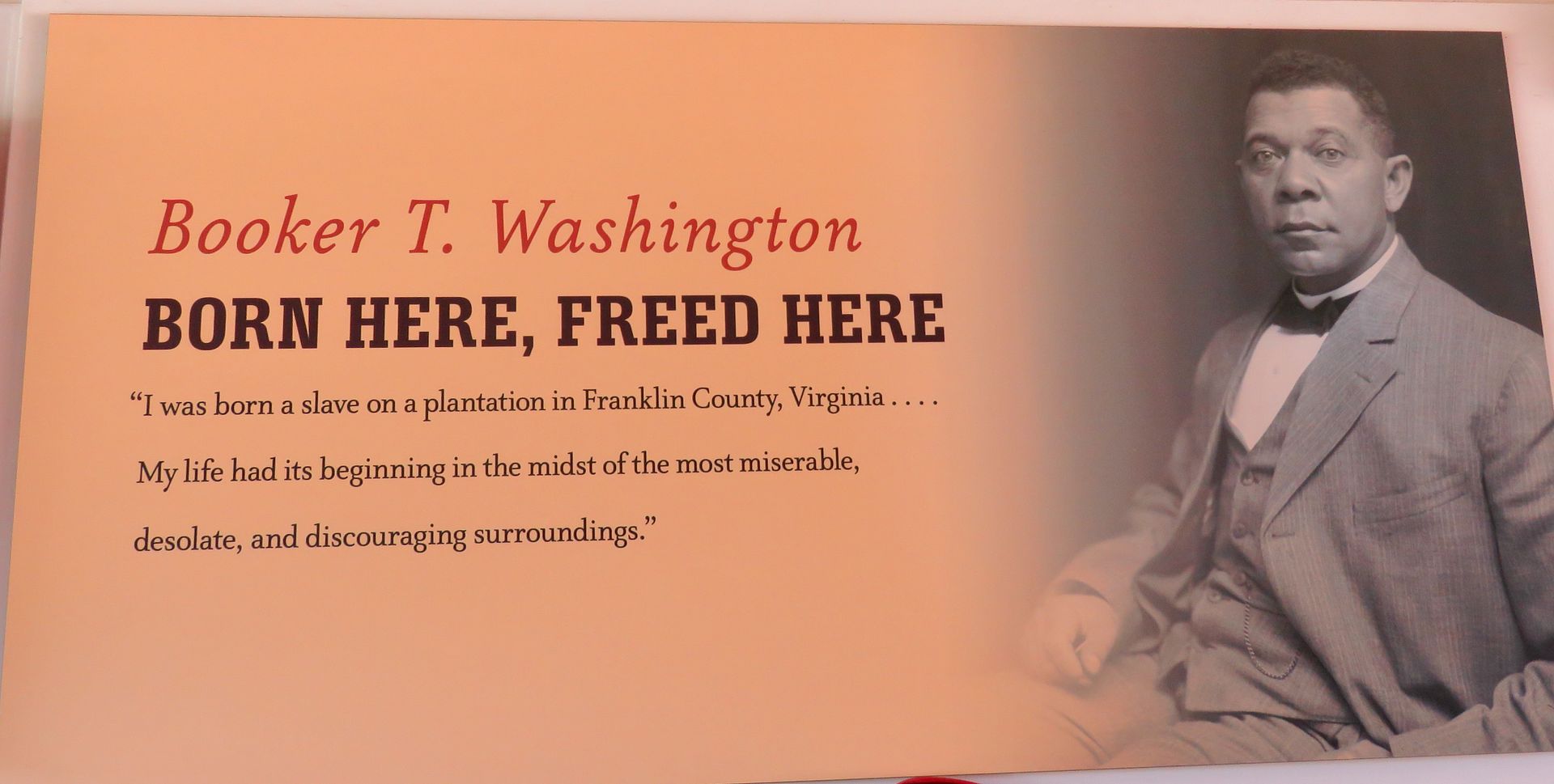
The Booker T. Washington National Monument preserves a portion of the 209-acre tobacco plantation where he was born into slavery (1856) and where he was freed at the end of the Civil War (1865). It is located near Hardy in Franklin County, VA.  


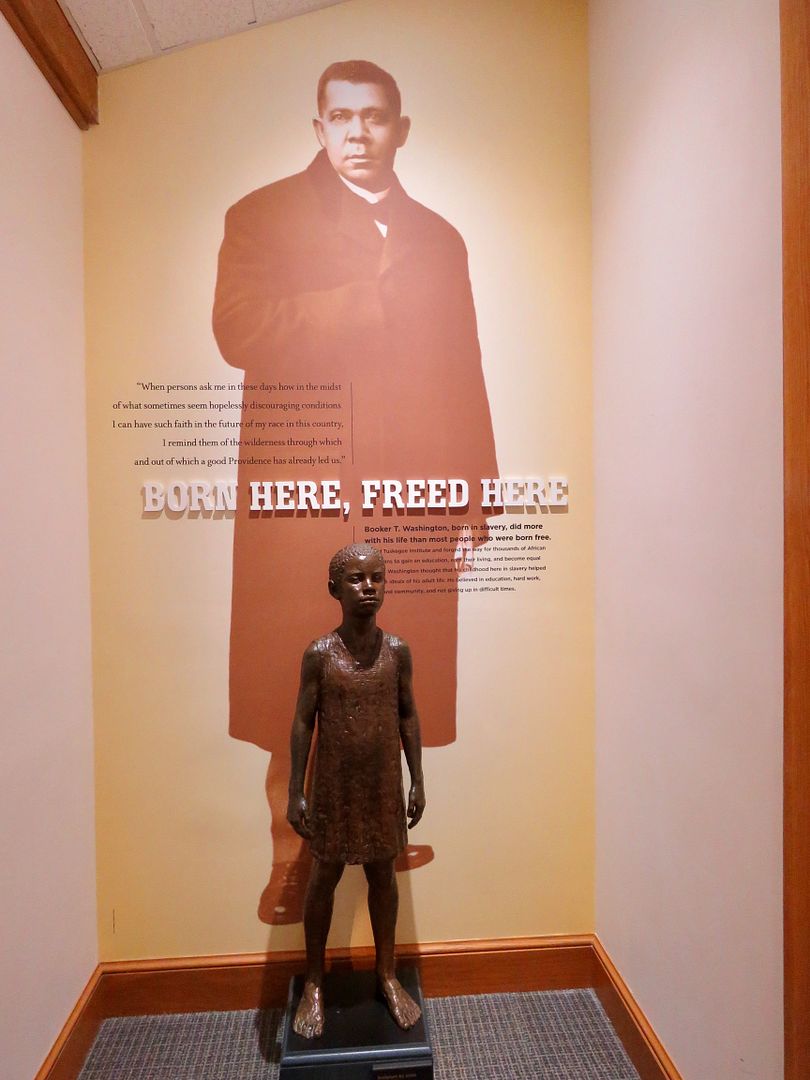
As always, we began our visit at the Visitor Center where there are exhibits about his life as well as an audio visual presentation (excellent). As an educatorauthor and orator, he became one of the most influential African Americans of the time. 


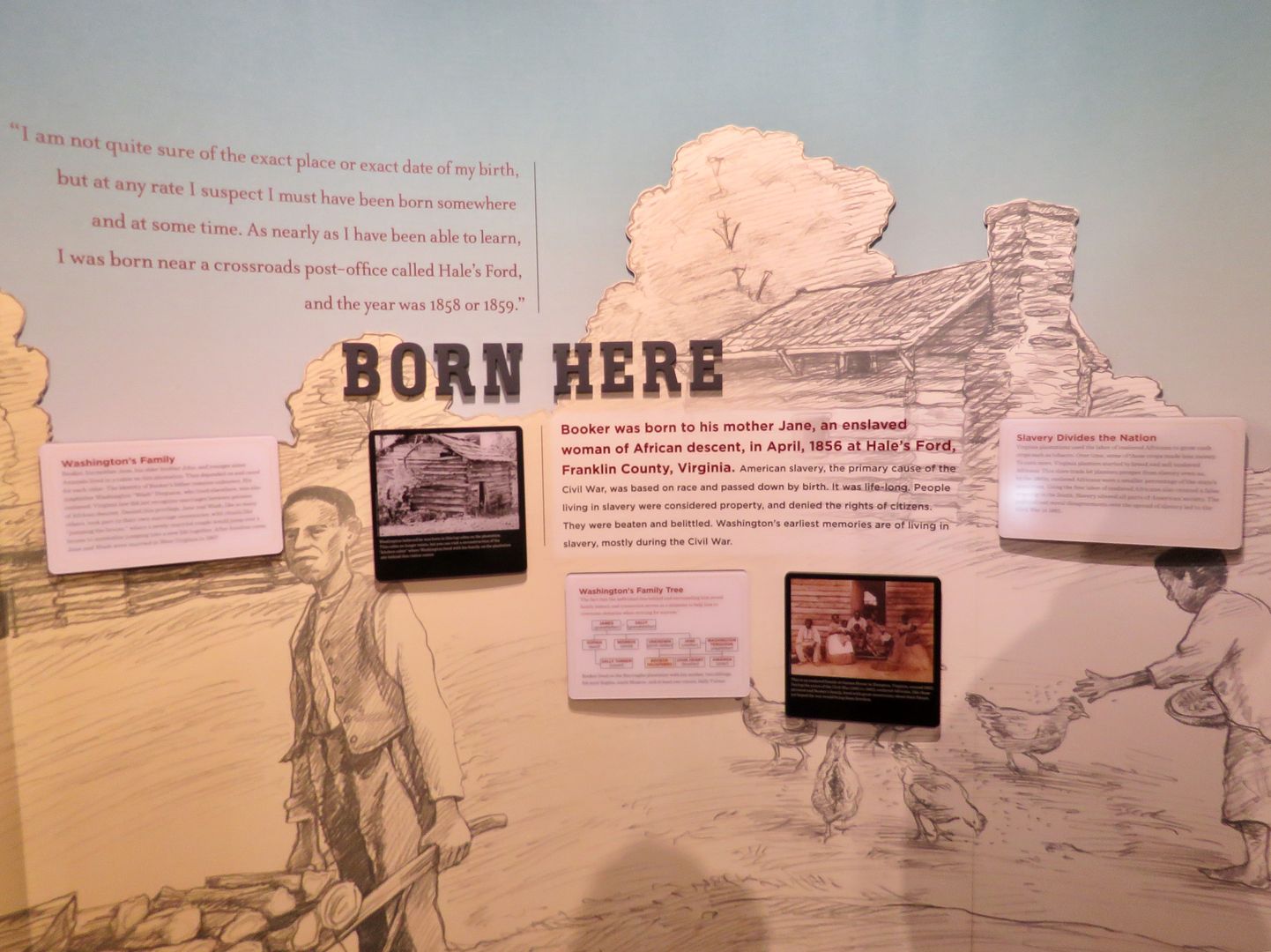
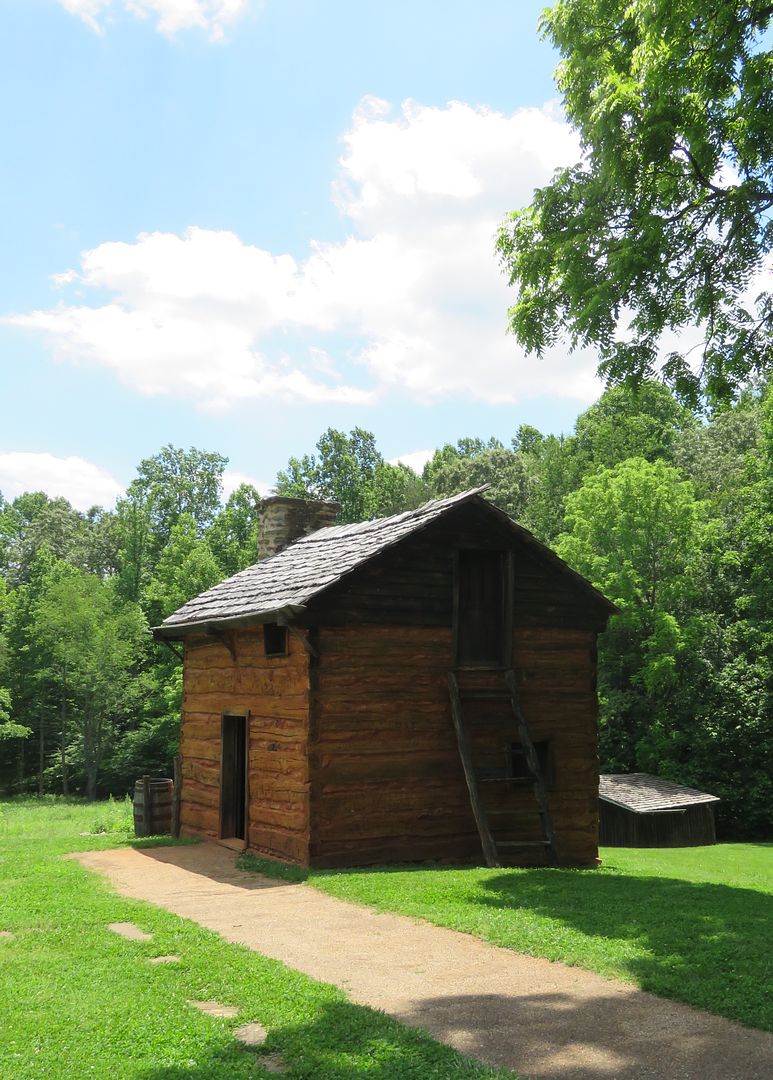
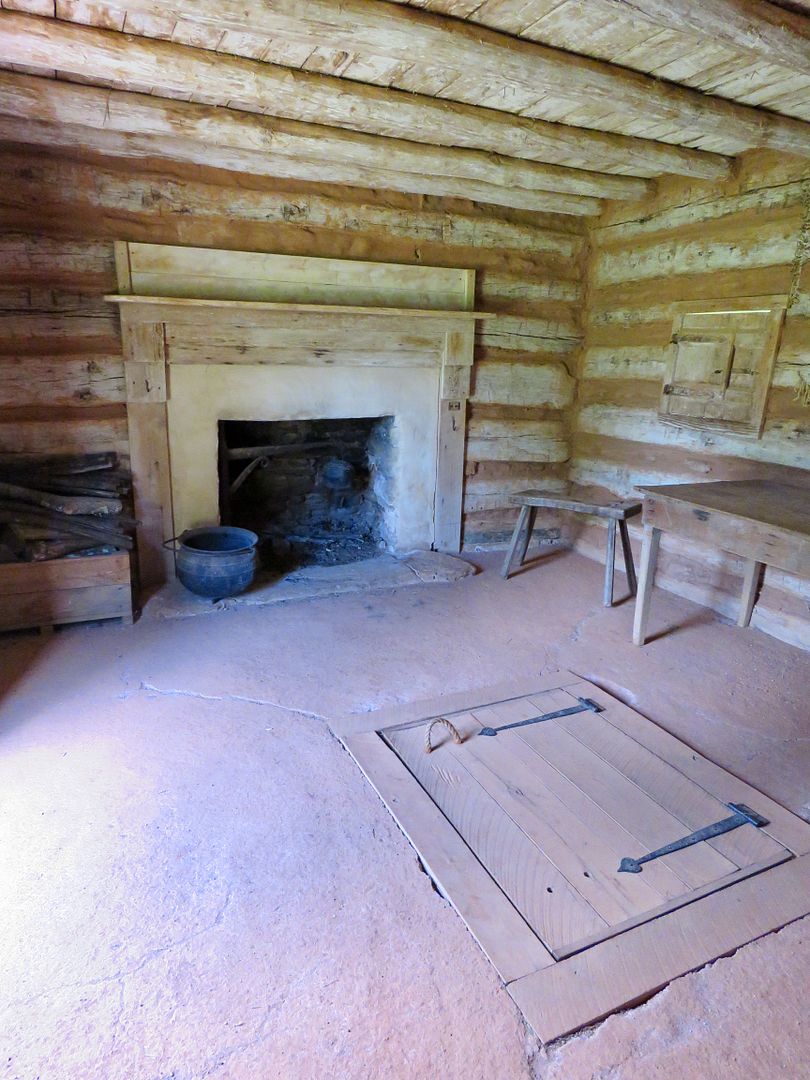
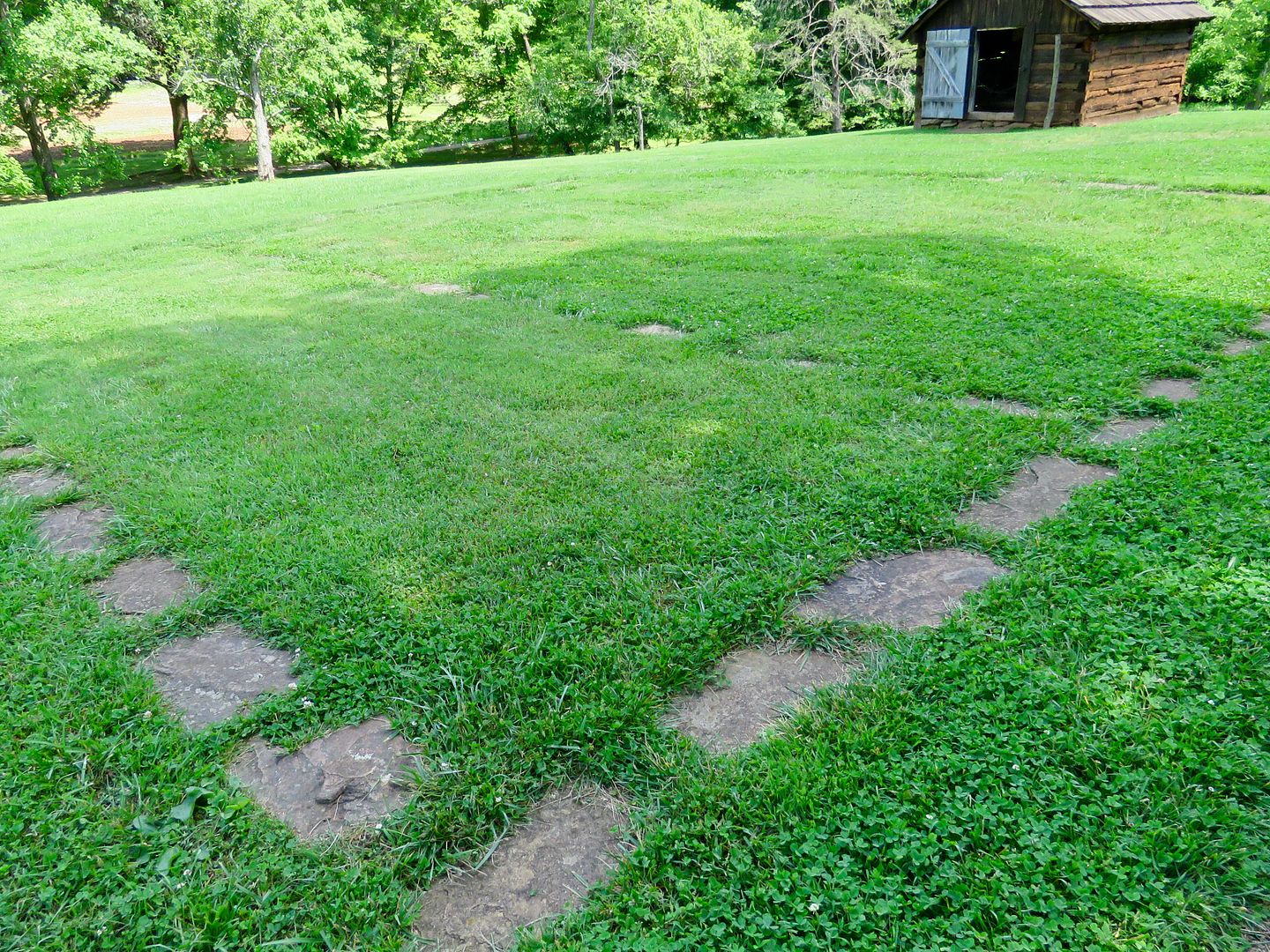
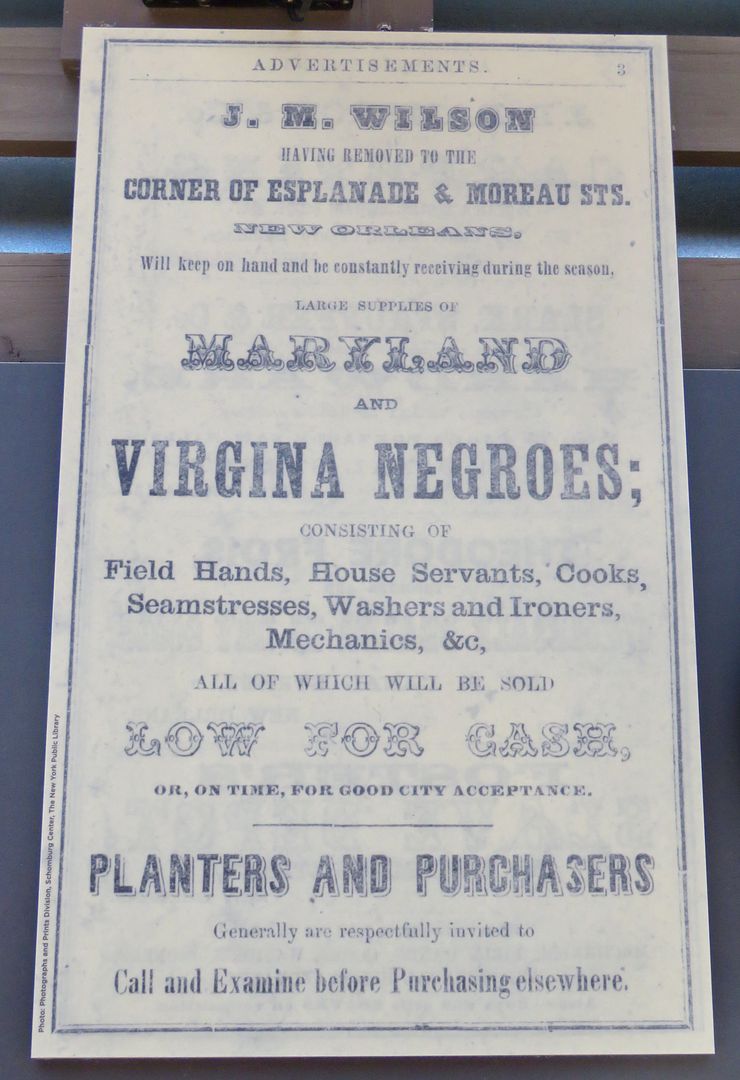
Booker was born on the tobacco plantation of James Burroughs. His father is unknown as slaves were not permitted to marry and families were torn apart when owners sold family members to others. Booker's stepfather, John Washington, and his uncle were owned by another slave owner who hired them out to others for profit (which is how he came to work on the tobacco farm). Jane was Booker's mother and he had a brother (John) and sister (Amanda). His mother was the cook and she and her three children lived in the (reconstructed) cook's cabin. Nearby, the foundation of the original Burroughs home can be see. 


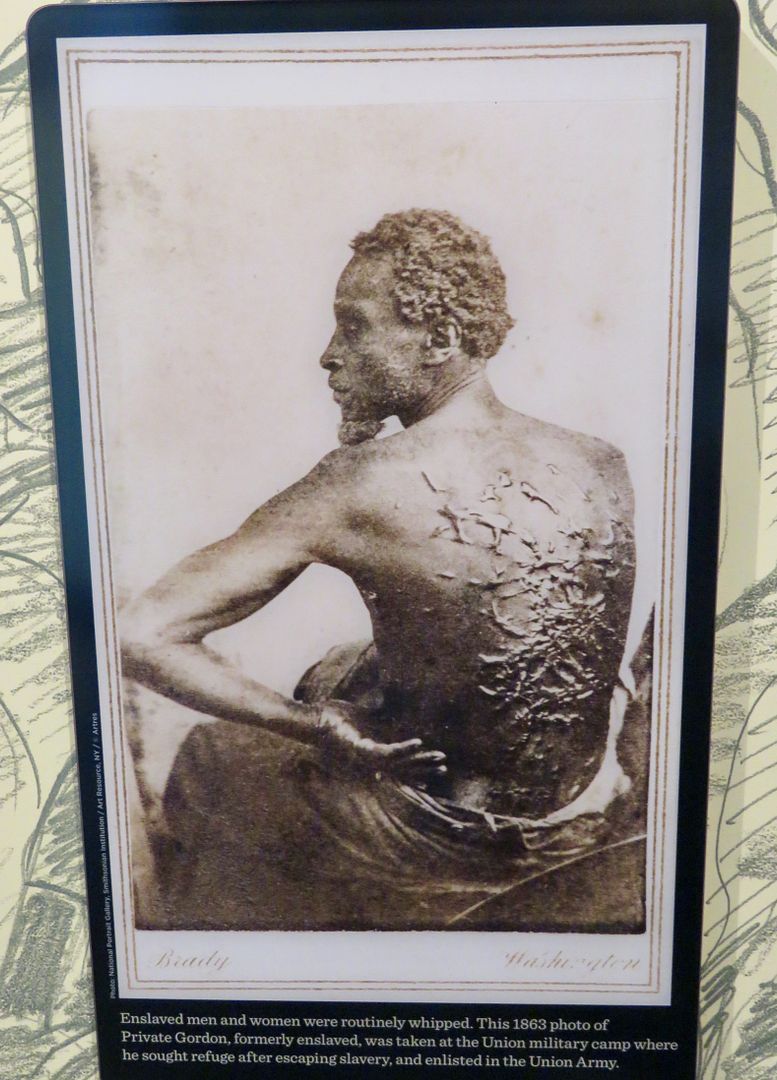
Two of the Burroughs sons were slave traders. Not only was physical abuse by owners feared, but the separation of families was of the greatest concern. When Booker's uncle was lashed it had a long-standing effect on him (as you can well imagine). Below is a photo of an African American who had joined the Union Army


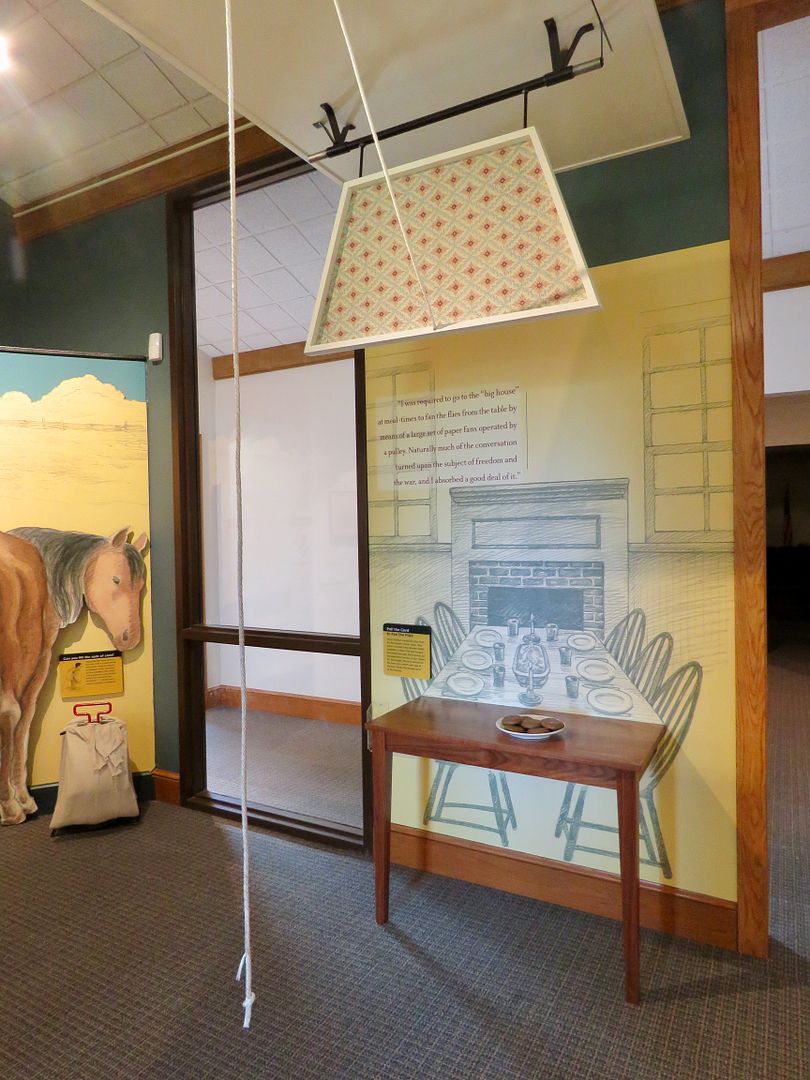
Booker and the other children worked as soon as they were able. Carrying waterringing the bell outside the cabin (to begin work and at the end of the day) and even shooing the flies from the dinner table of his owners were some of his jobs. As a young child he would pull on the rope watching the family eat, while he and his family were always hungry and ate only scraps. 


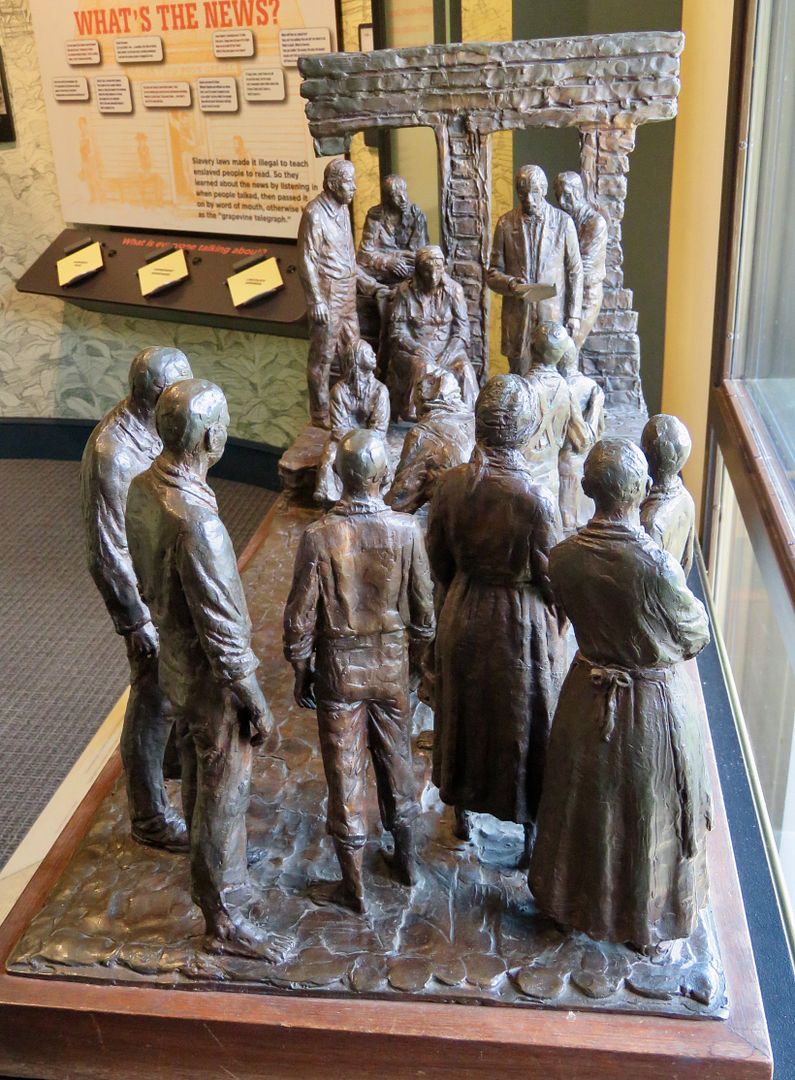
James Burroughs died in 1861 and five of the Burroughs' sons joined the Confederate forces (two of them died during the Civil War). When all slaves were freed at the end of the War in 1865 (see photo below), Booker's mother joined his stepfather in West Virginia where they were legally married. 

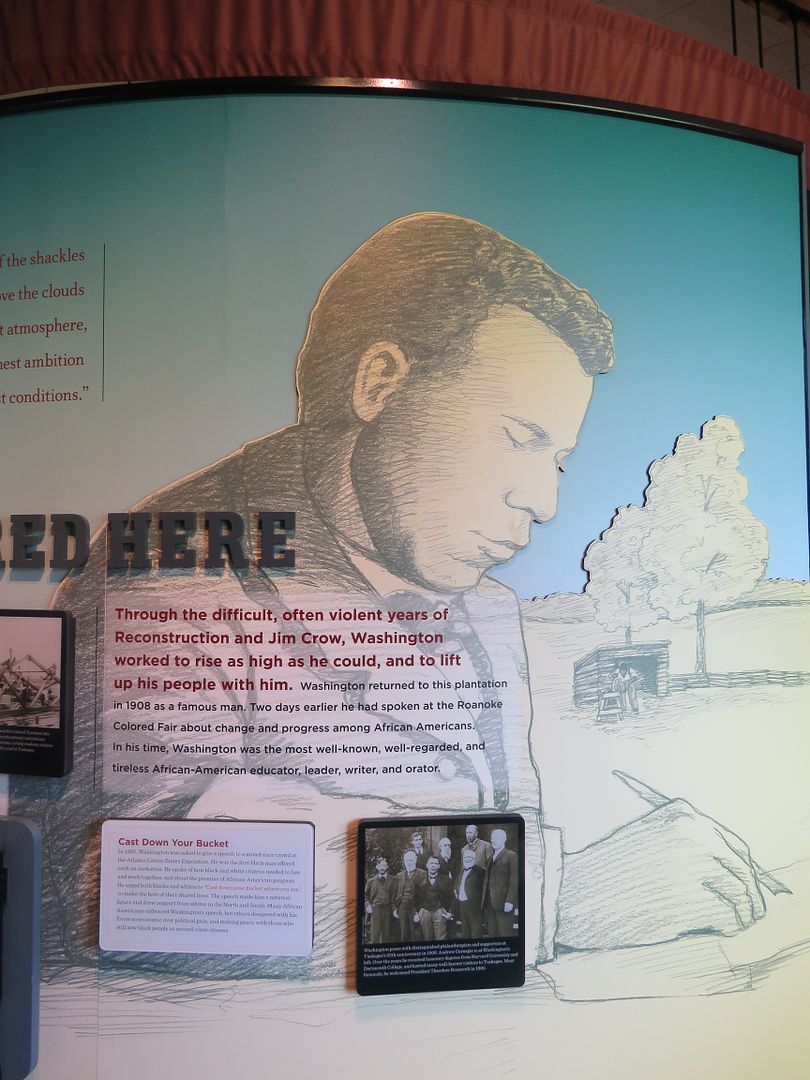
Slaves were not permitted to read or write and Booker relentlessly pursued his own education after the war. He eventually became the first principal of Tuskegee Normal and Industrial School in Alabama where he carried out his life's work. He only returned to his birthplace once in his life (1908) after the emancipation.


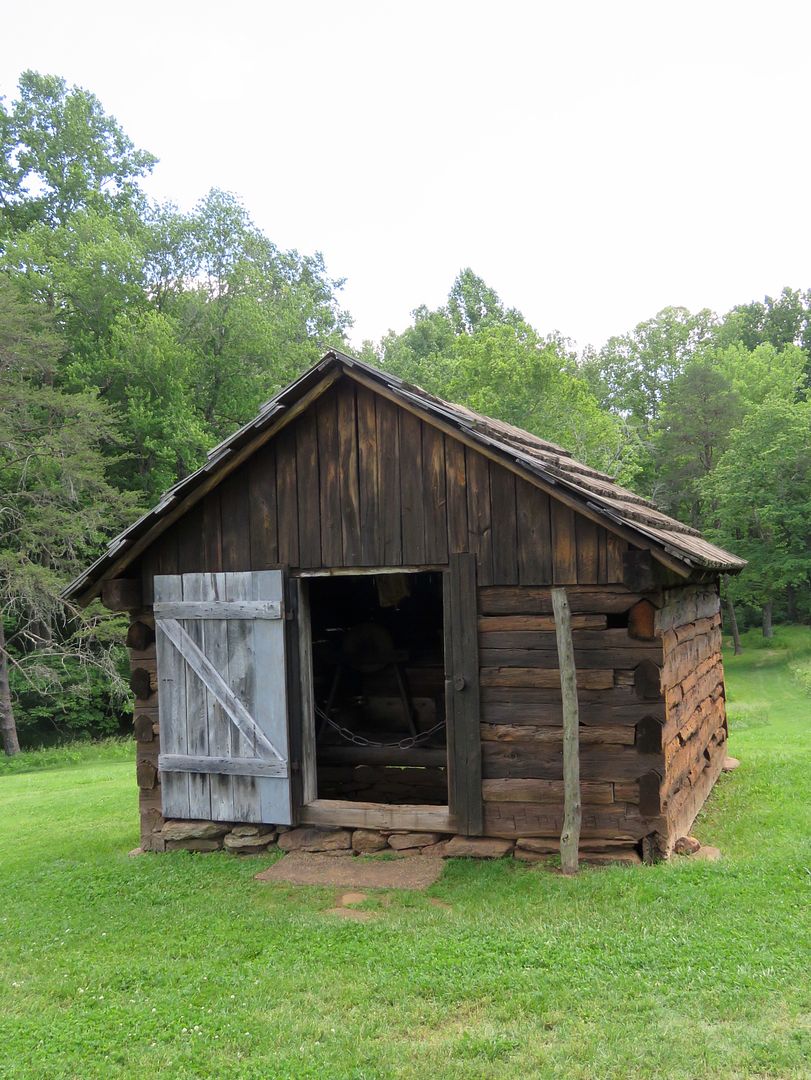
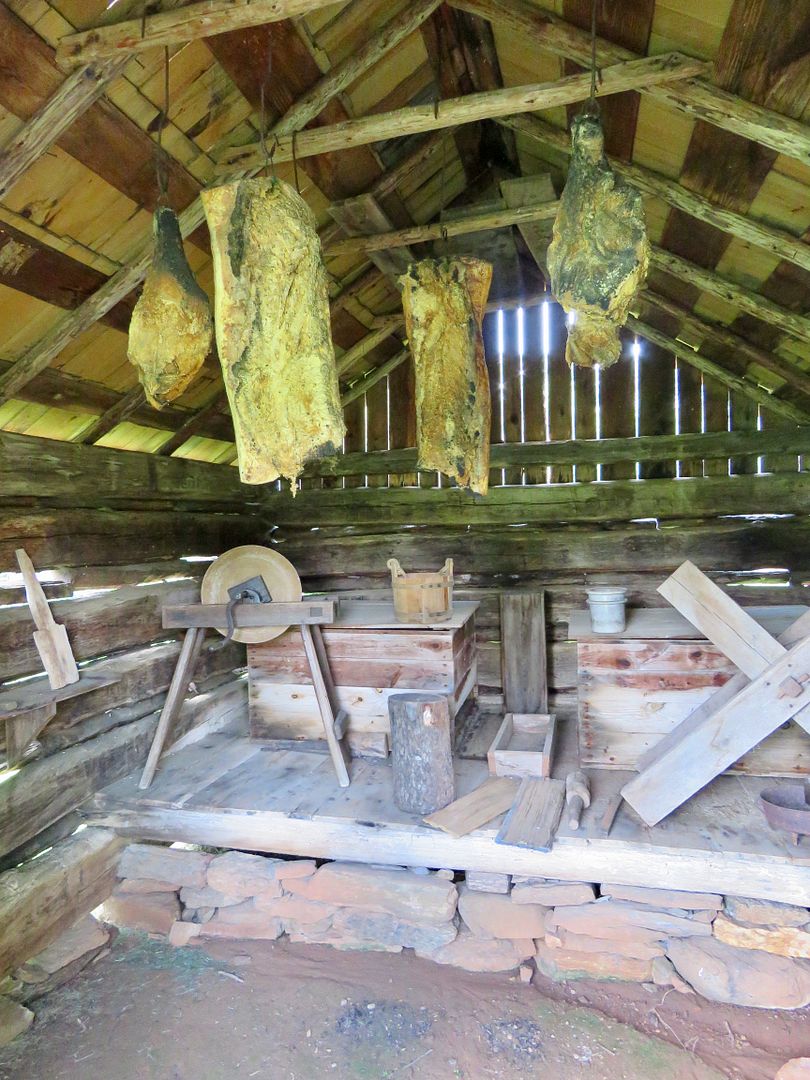
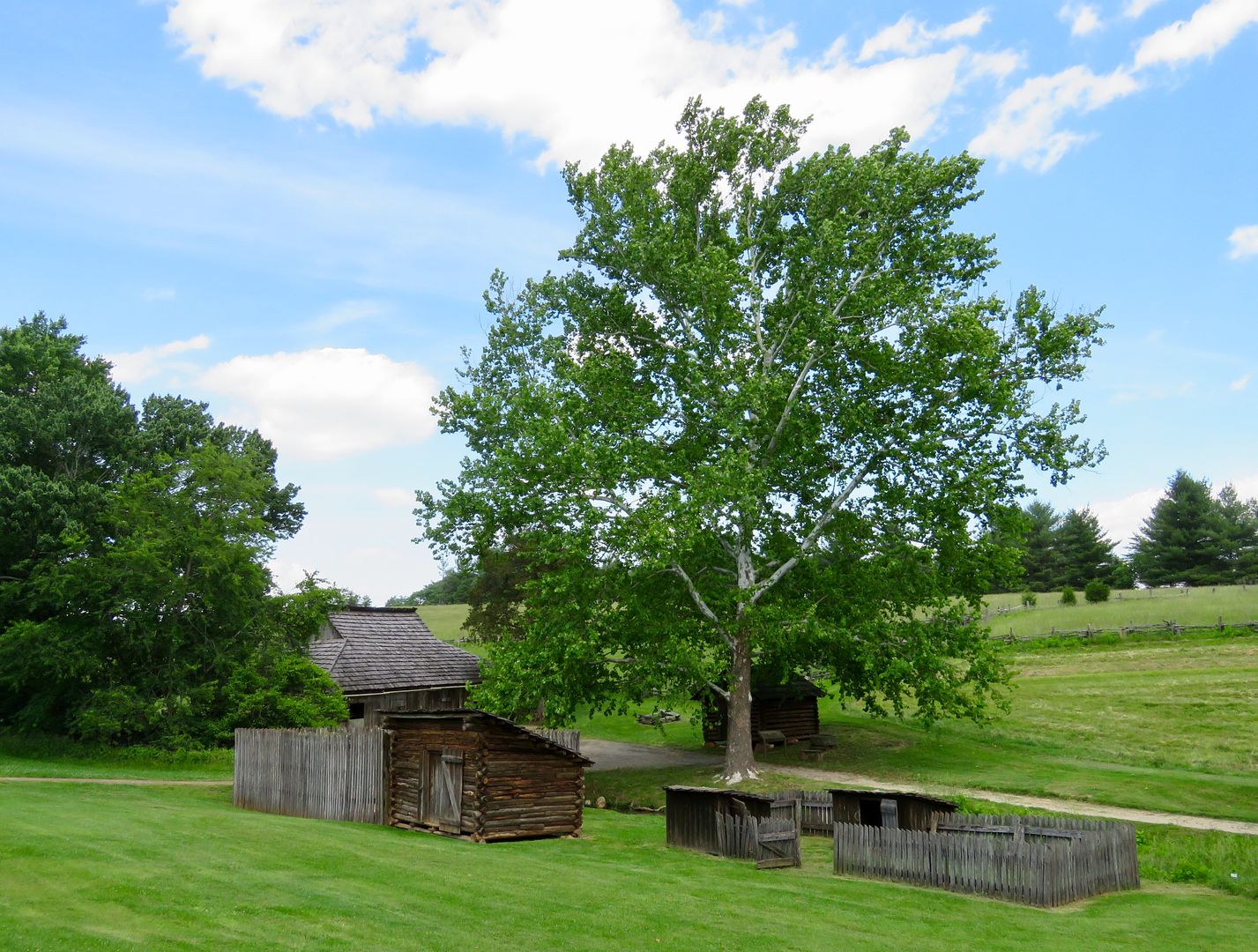
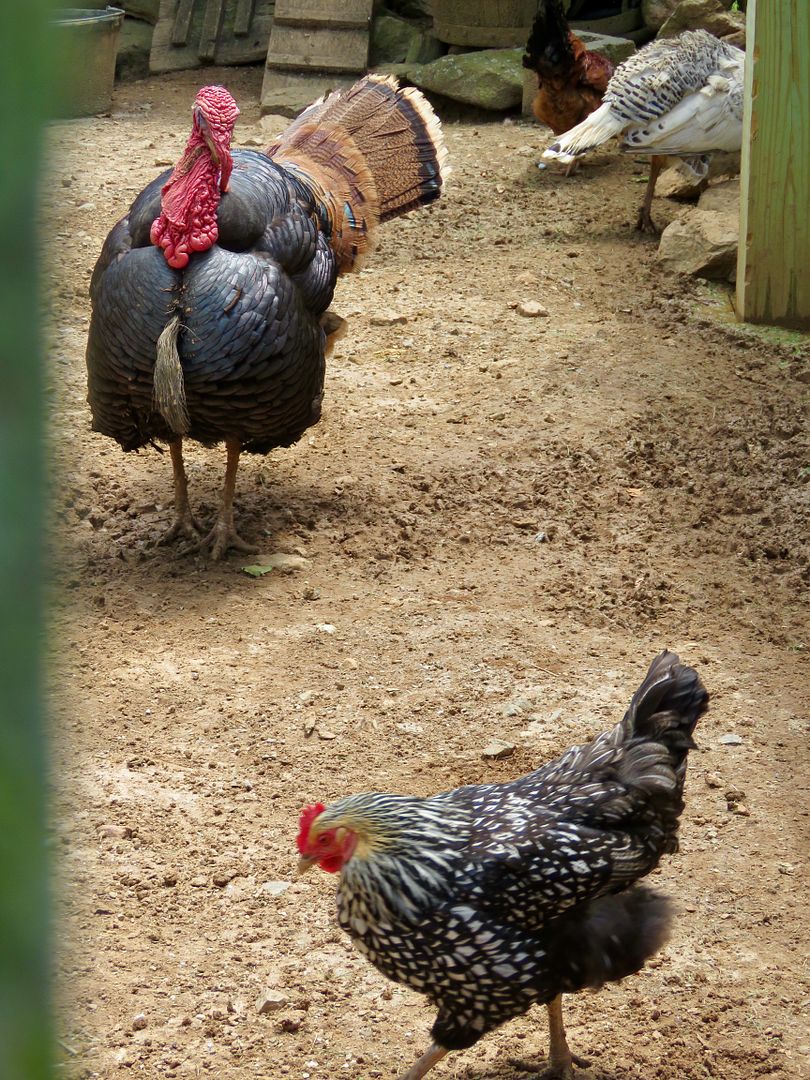
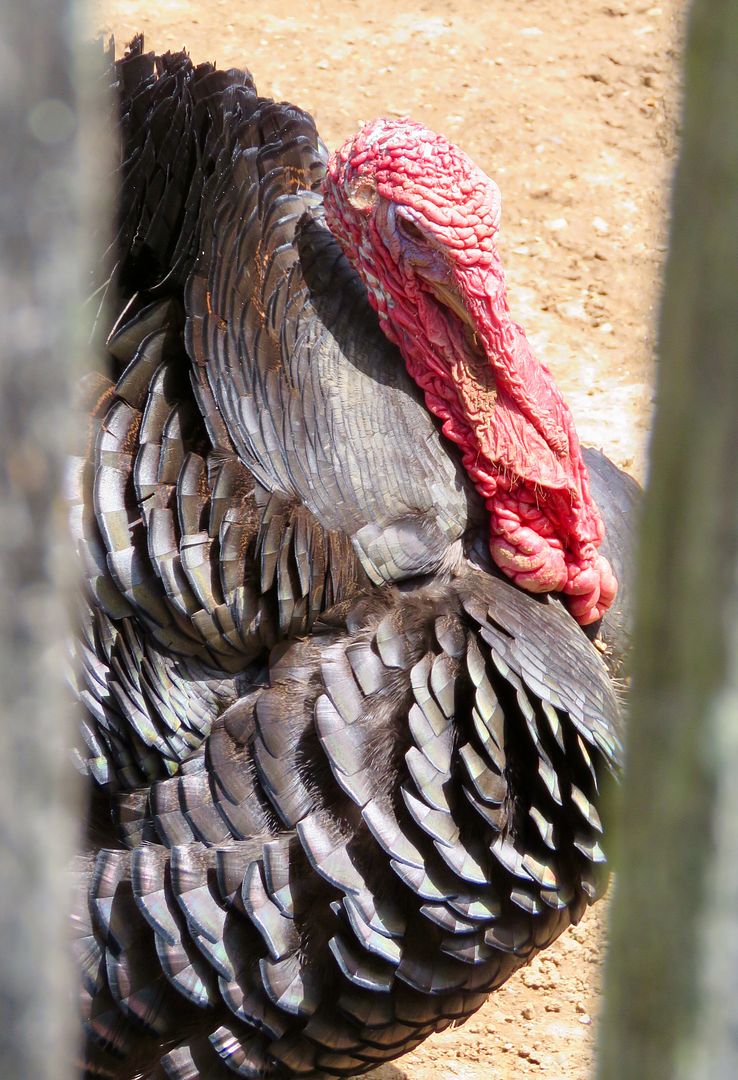
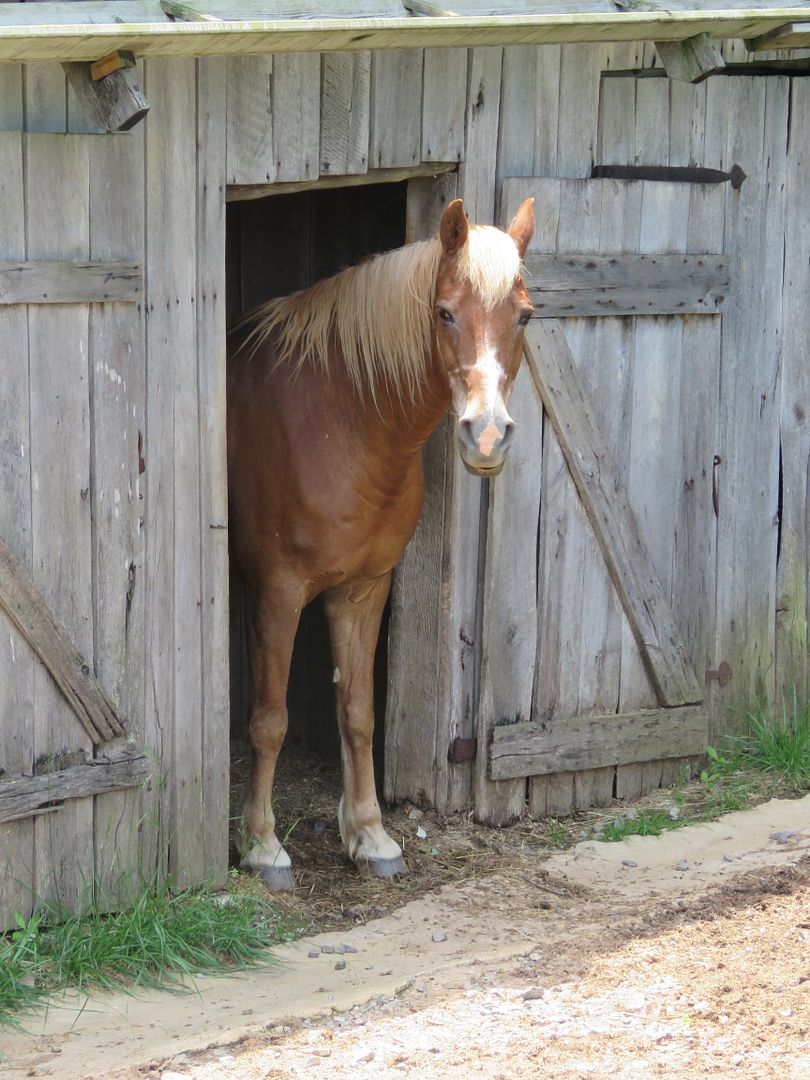
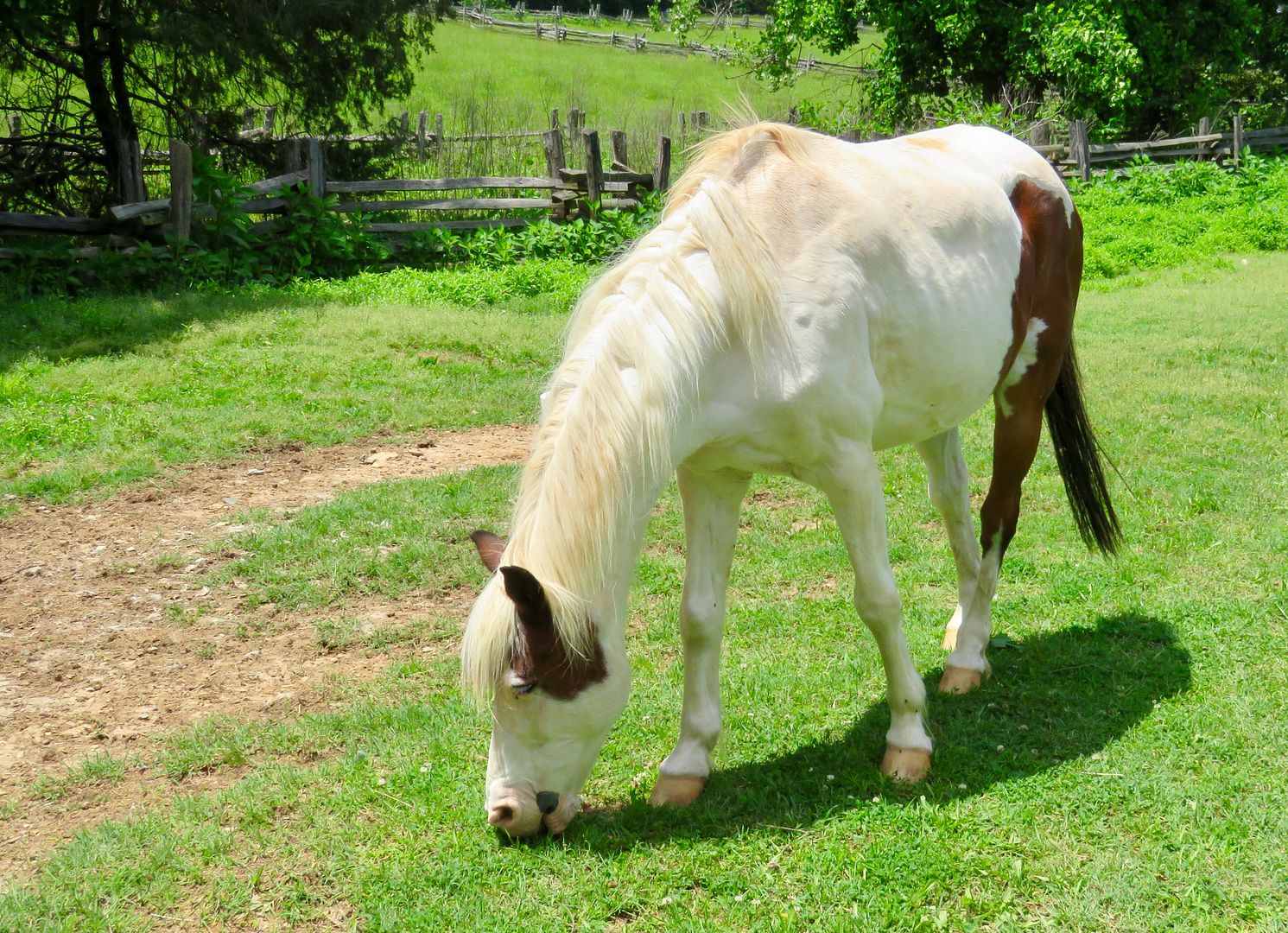
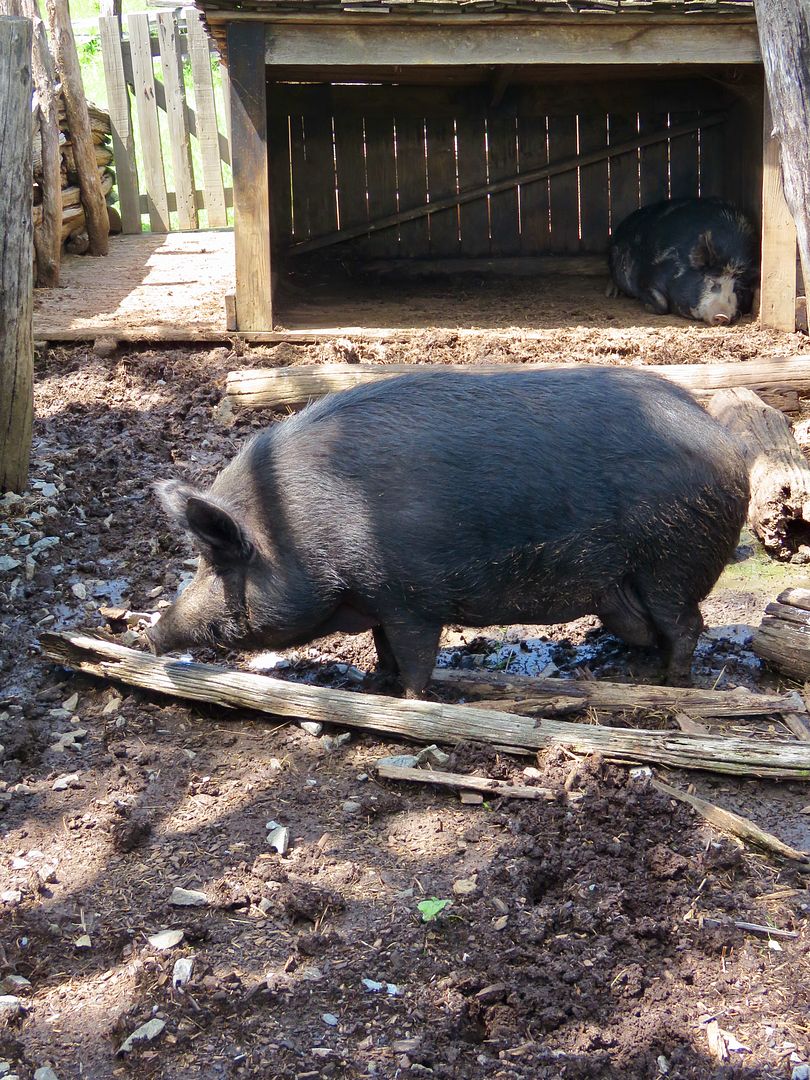
We explored the farm that has been restored to its appearance in the 1860s. Various buildings, herb garden and vegetable gardens as well as  farm animals can be seen on a self-guided walking tour. 


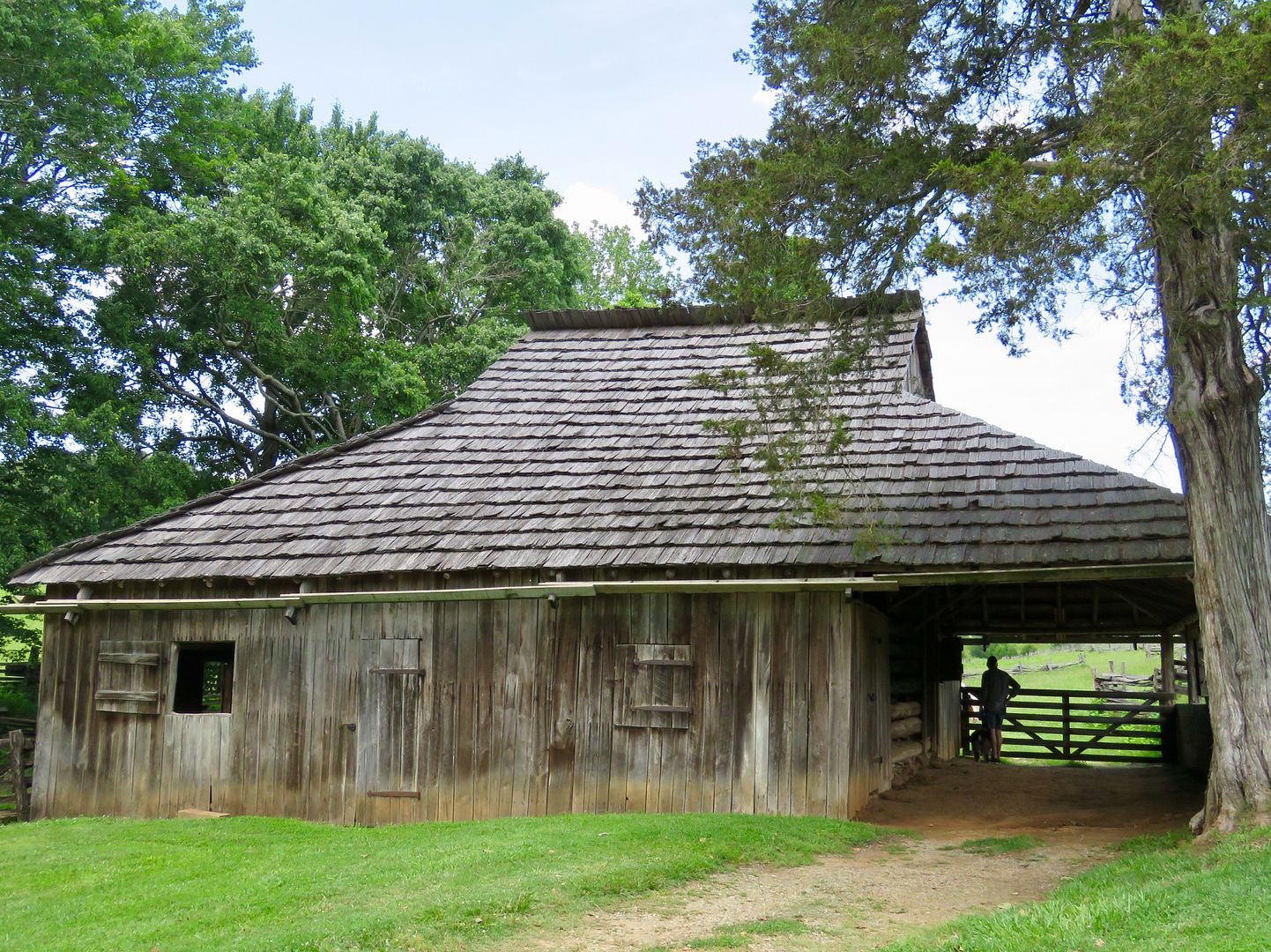
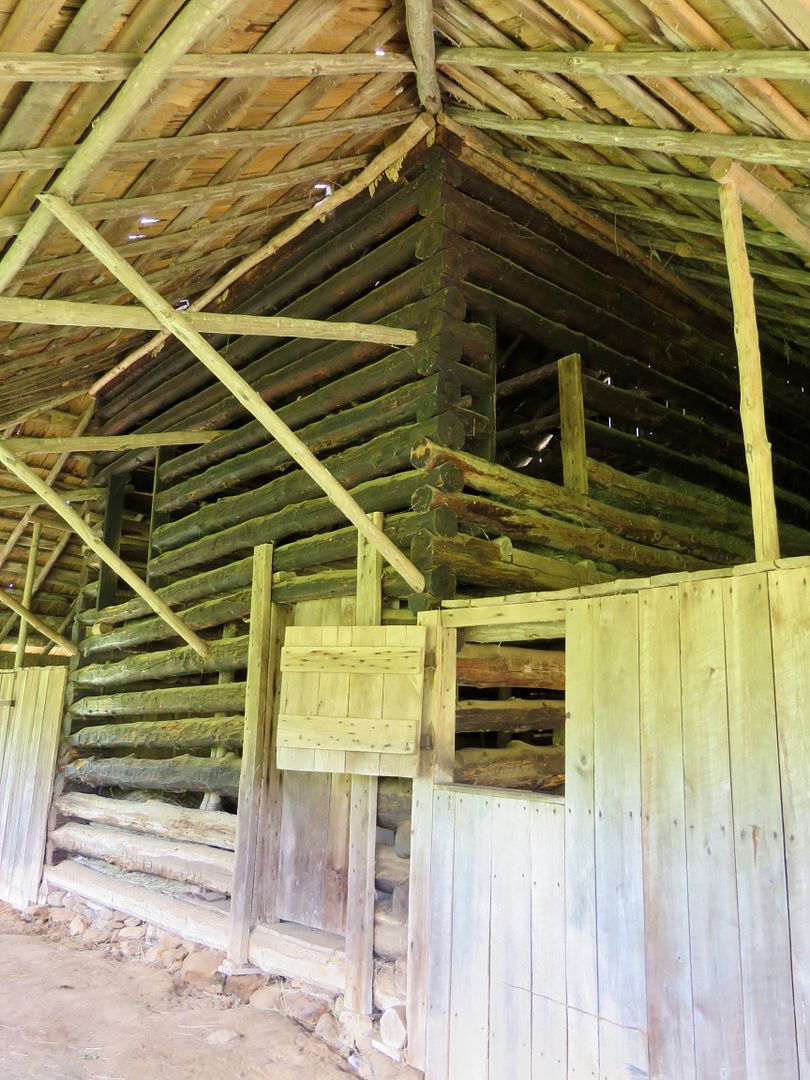
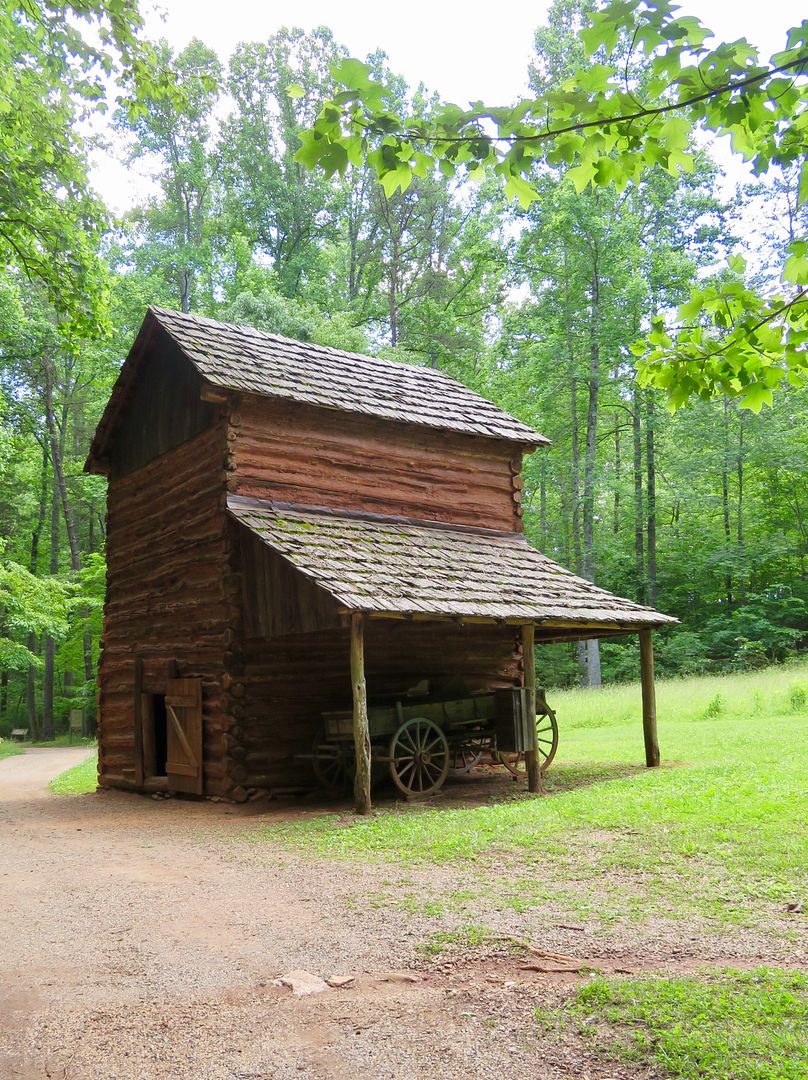
Following the map of the farm, we continued down the path to the tobacco barn. Growing and processing tobacco was a very labor-intensive endeavor, hence the use of slave labor in the south on not only cotton plantations, but tobacco ones as well. 


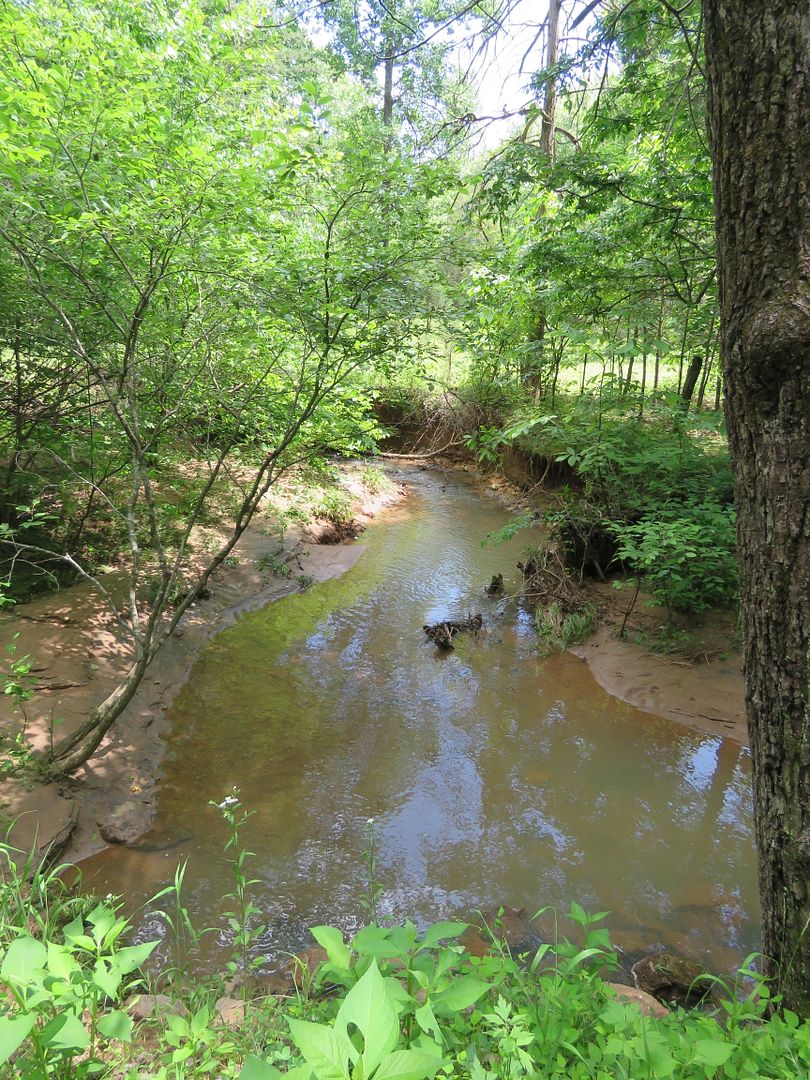
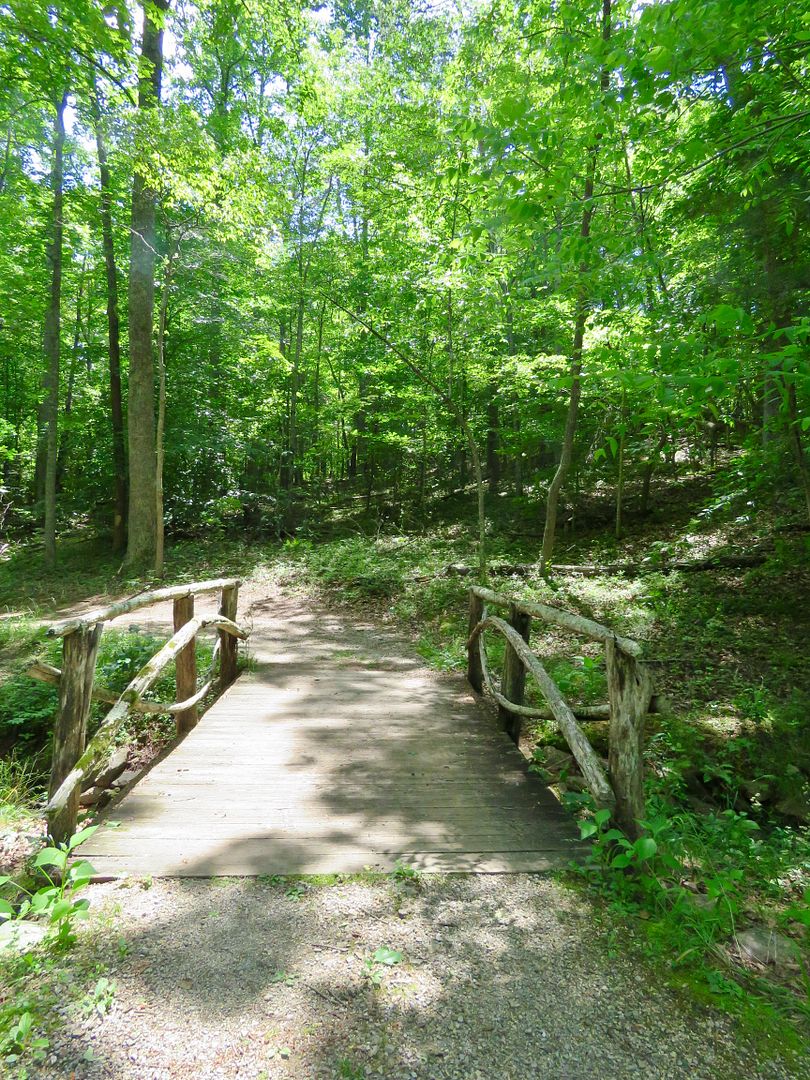
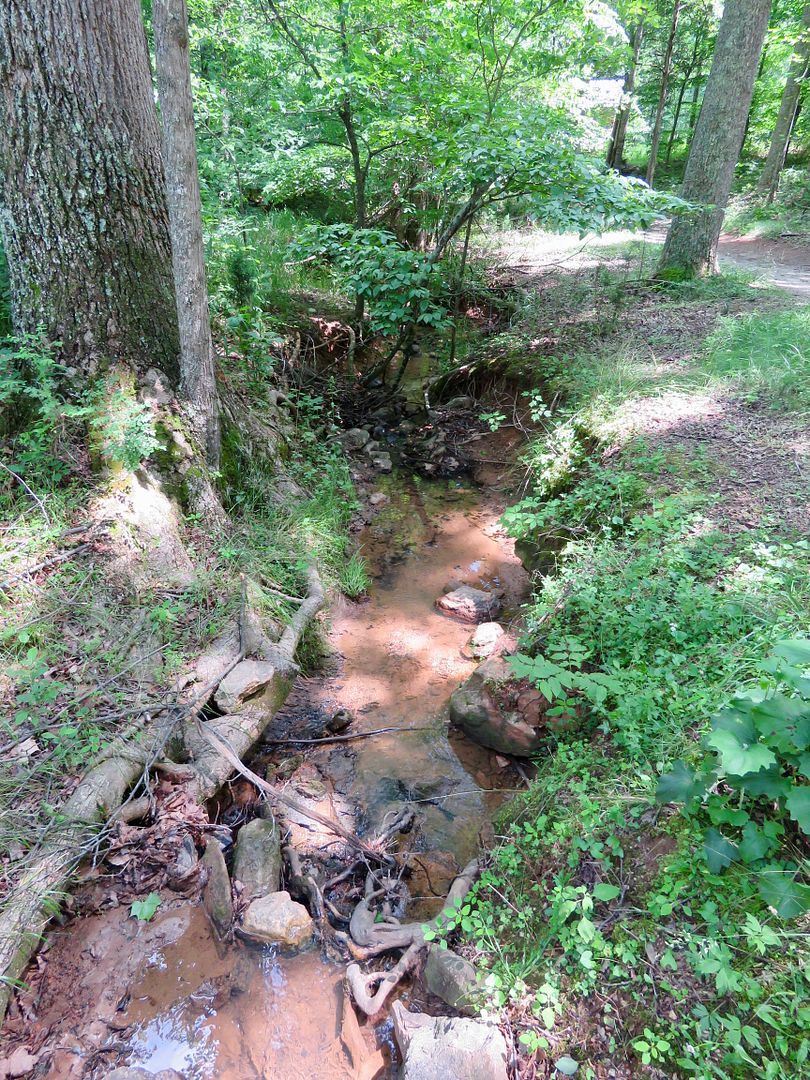
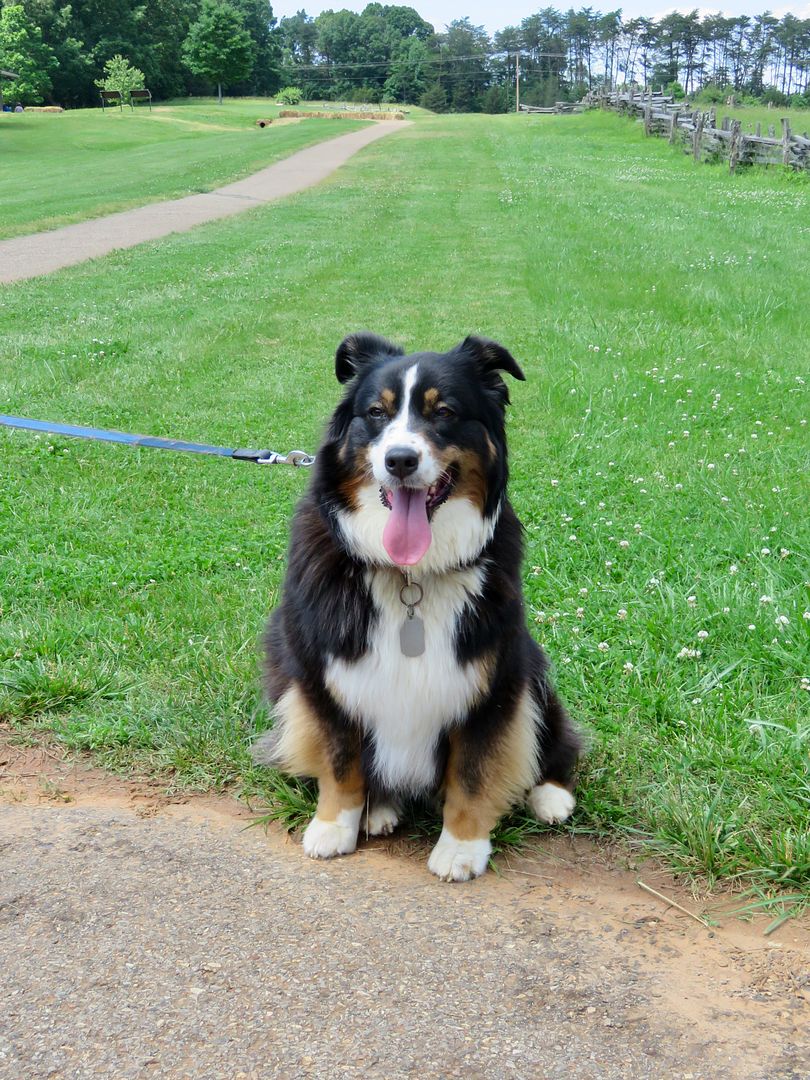
Nearby is the Jack-O-Lantern Branch Loop Trail. The creek was the source of water for the farm. We enjoyed the stroll through the woods before wrapping up our visit here. Leashed dogs are permitted on the grounds, so our sweet doggie, Sadie, had a great time here!


After visiting a place like this, the lives of those enslaved here haunts me for weeks. It's hard to imagine the hardships that Booker T. Washington had to overcome to achieve the level of achievement and influence he did in his lifetime. It is truly amazing. We have visited the Tuskegee Institute in our travels where we learned about his adult life (windsofdestiny-rvlife.blogspot.com/search?q=Booker+t+Washington), but his birthplace provides fascinating insight into this great man.

For additional information about the national monument, check out their website at www.nps.gov/bowa