Wednesday, June 25, 2014

Garden of the Gods - 6/23/14


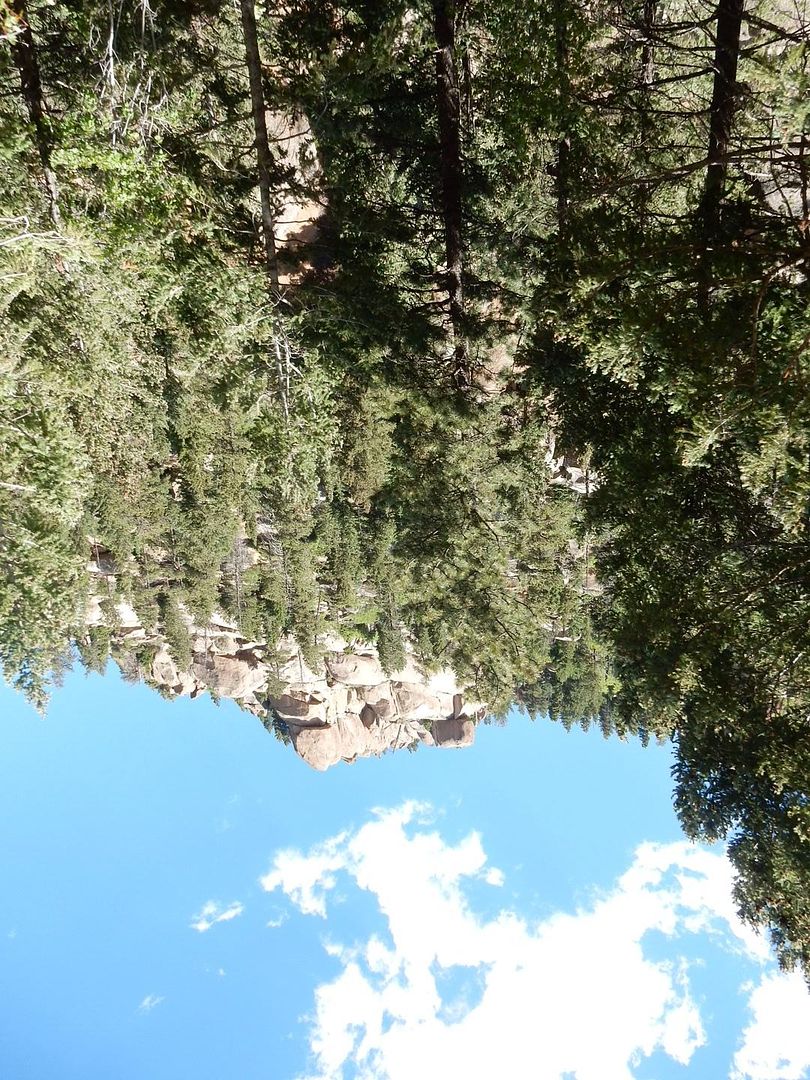
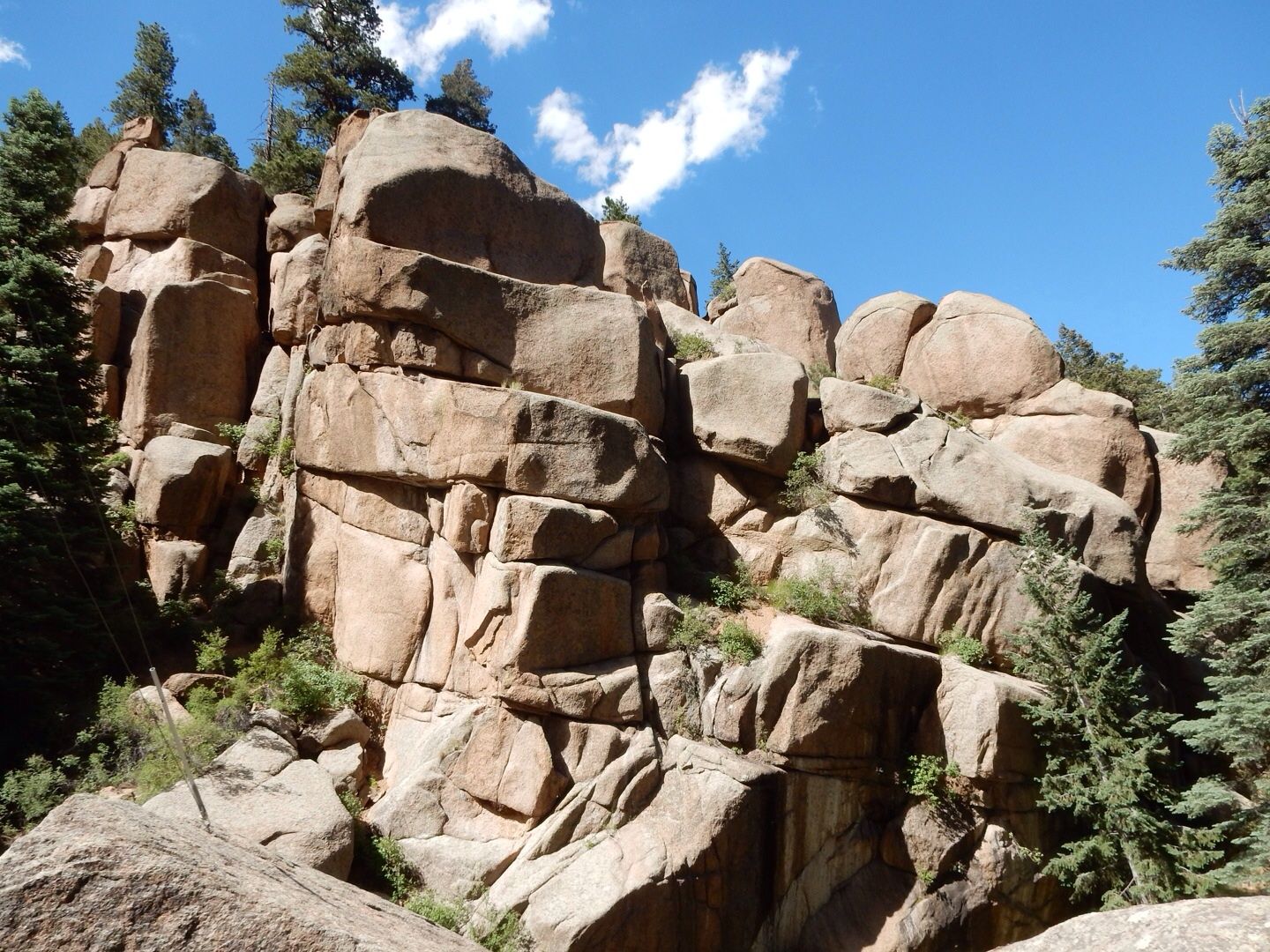
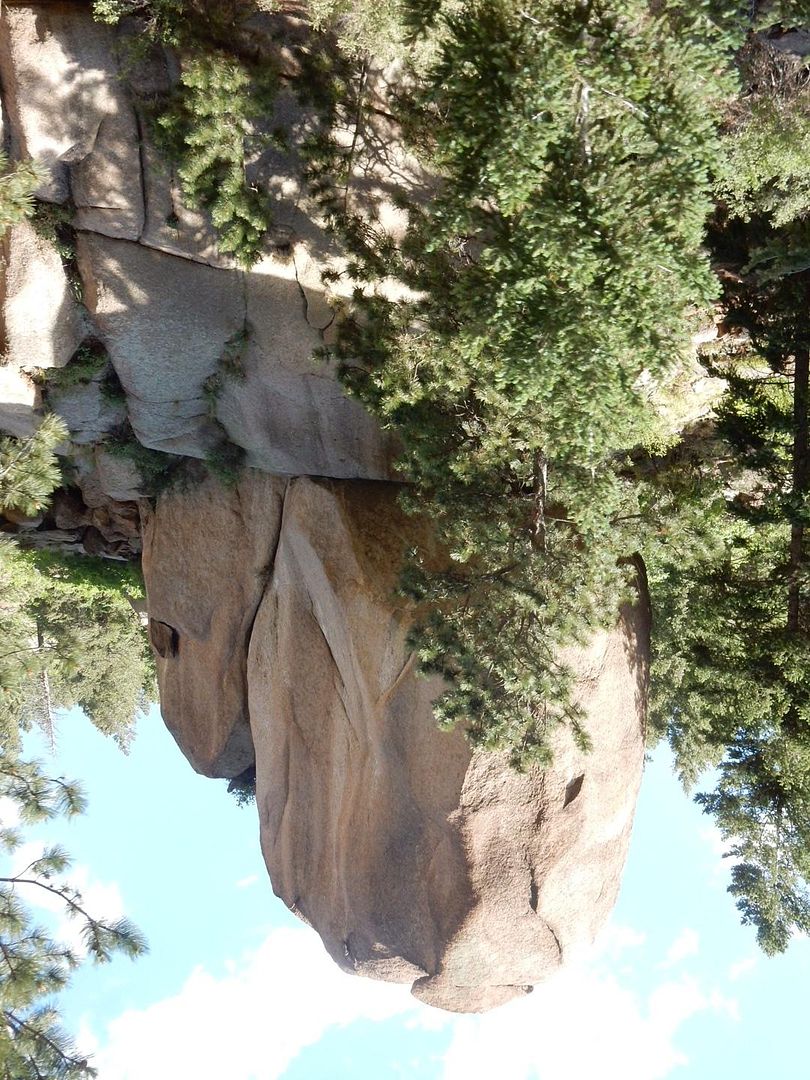
Garden of the Gods is a unique city park. This place is as stunning as everyone told us it would be. The unusual rock formations, 300 million years in the making, are spectacular. There are roads as well as hiking/horseback riding/mountain biking trails throughout the park.

Be sure to stop at the Visitor and Nature Center to obtain a map and watch the 15-minute video that provides the geological and historical background of the place. Also, the world's only Theiophytalia kerri dinosaur fossil was found here. There is a replica of it at the Visitor and Nature Center.  A cafe and terrace provides fabulous views as well.

Photos taken within the park.

Tower of Babel.
White Rock.


Cathedral Spires.
Sleeping Giant.
Giant Footsteps.

Balanced Rock.

Taken in front of  Balanced Rock.

Steamboat Rock.
Mule deer in the park.

View of Pikes Peak from Garden of the Gods.


There is no admission fee to this park. There is $5 charge for adults to see the 14-minute movie at the nature center ($4 for seniors). We thought it was worth it. Many of the trails are paved (like sidewalks) and provide up-close views of the rocks. This is a "must see" if you are in the Colorado Springs area.

Website: www.gardenofthegods.com

Pikes Peak - 6/20/14


The Plains Indians (Cheyenne, Kiowa, Arapahoe) frequently visited the area around Pikes Peak as did the mountain-dwelling Utes. The Utes continued to reside in the region until they were forced into reservations in 1879.

Zebulon Pike, for which the mountain was eventually named, discovered it during his second and last exploration of the Louisiana Purchase. Although he never climbed it (he and his soldiers turned back in waist deep snows), Dr. Edwin James and his party reached the summit in 1820. A carriage road was completed in 1887 and the first cog railroad reached the summit in 1891. Trains still depart today from the original ornate depot built in 1890.

In 1893, Katherine Lee Bates, professor of English at Wellesley College in Massachusetts from 1885-1925, made the trip to the summit by wagon. So inspired was she by the views, she wrote the poem, America the Beautiful. It was set to music many times but is most commonly known by Samuel Ward's tune, Materna.

We reserved our tickets online for a noon departure from the depot in Manitou Springs. Tickets are $36/adults plus $5 for parking. Be prepared for cool weather at the summit. It was about 80 degrees in Manitou Springs when we departed and the summit was a cool 34 degrees (27 windchill). The round trip lasted about 3.5 hours with 40 minutes at the top. A guide provided interesting info along the way.

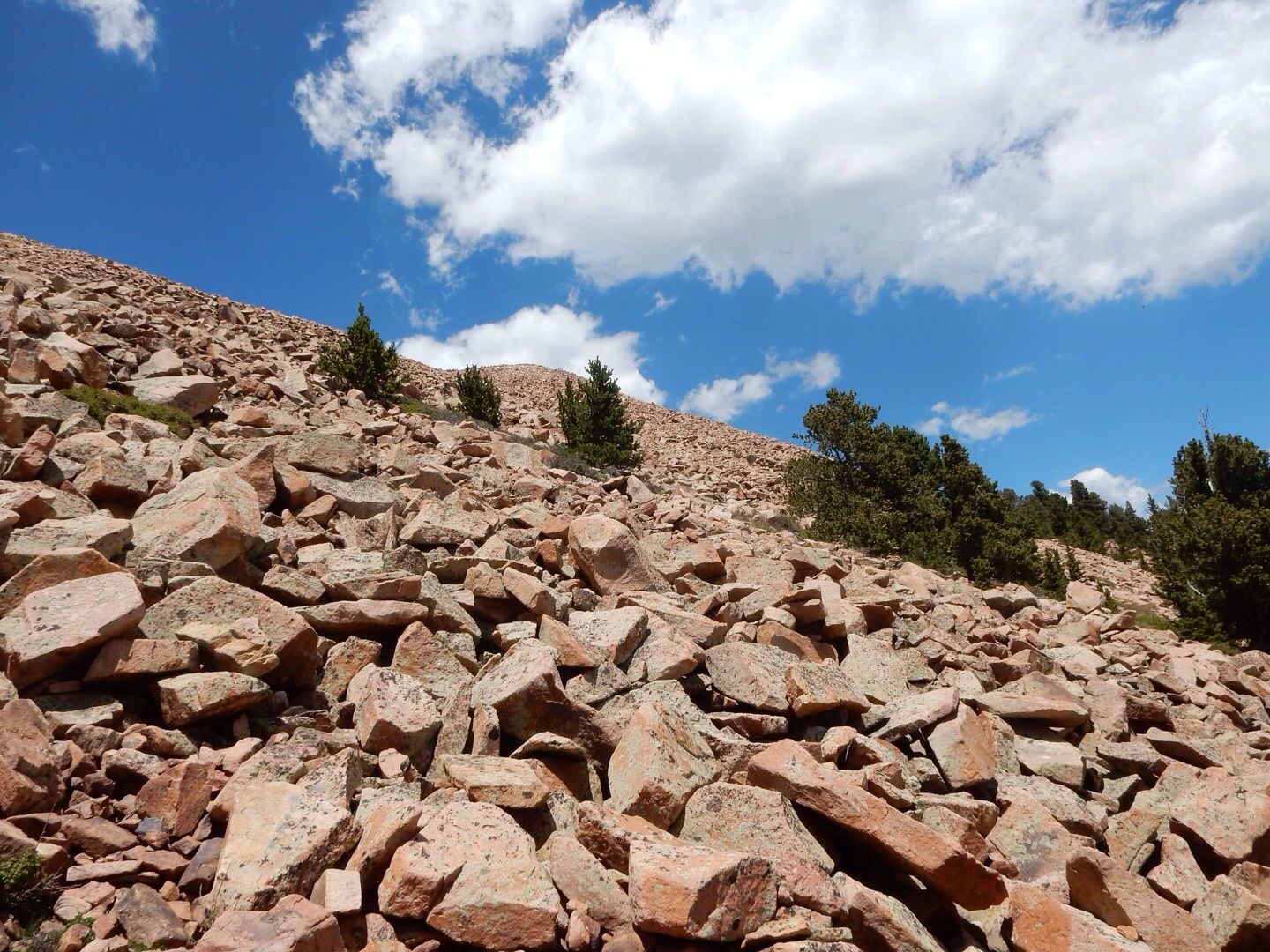
Sights while ascending to the summit.


Minnehaha was once a place where summer cabins provided a cool refuge from the heat of the Great Plains. It was our first station stop after departing the depot.


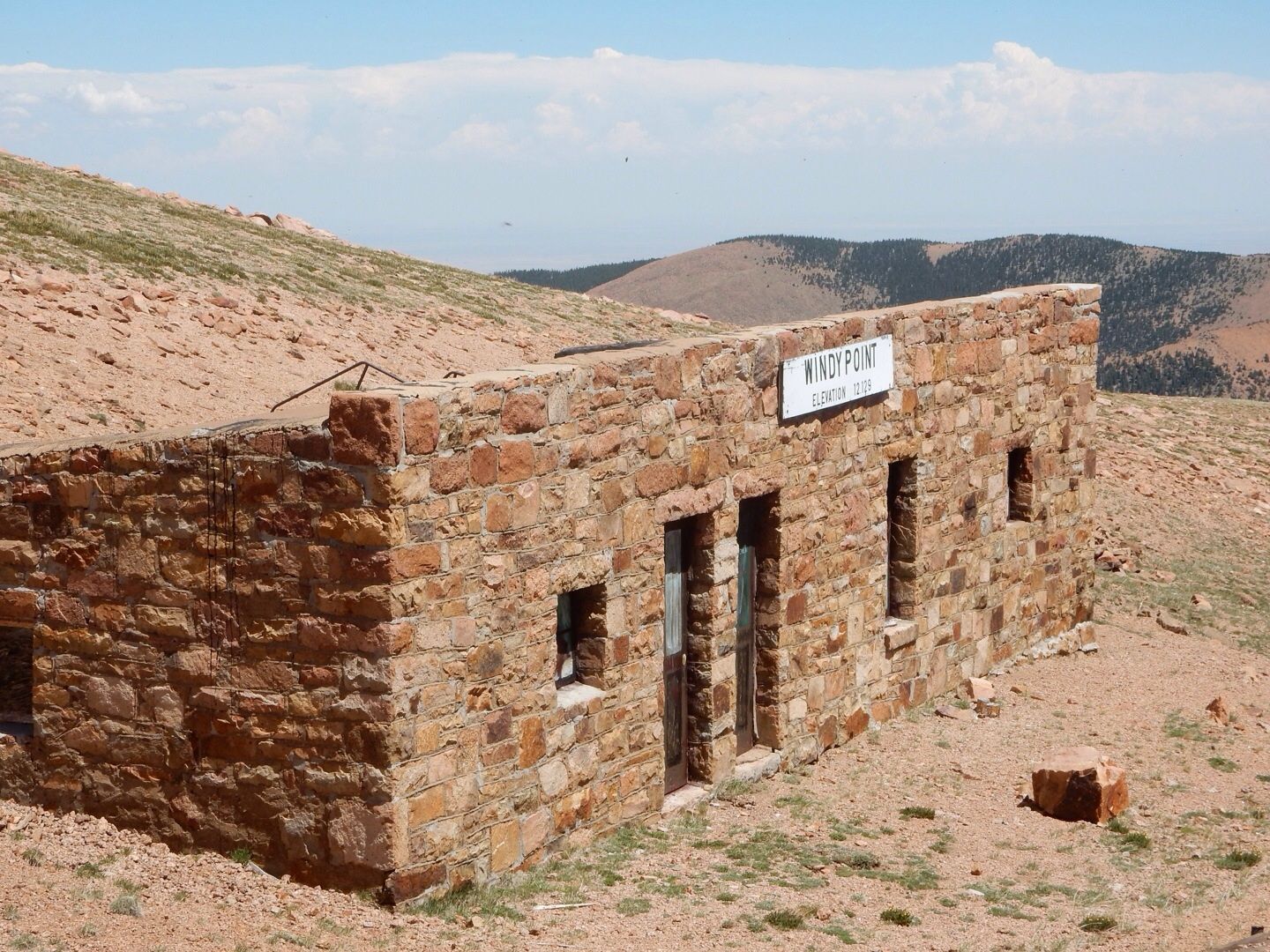
Windy Point, at 12,000' above sea level, is the location of a building that once housed a crew responsible for maintaining the highest section of the track. This is the point at which we are above the tree line. At least one baby was born here to the wife of the section crew's foreman.


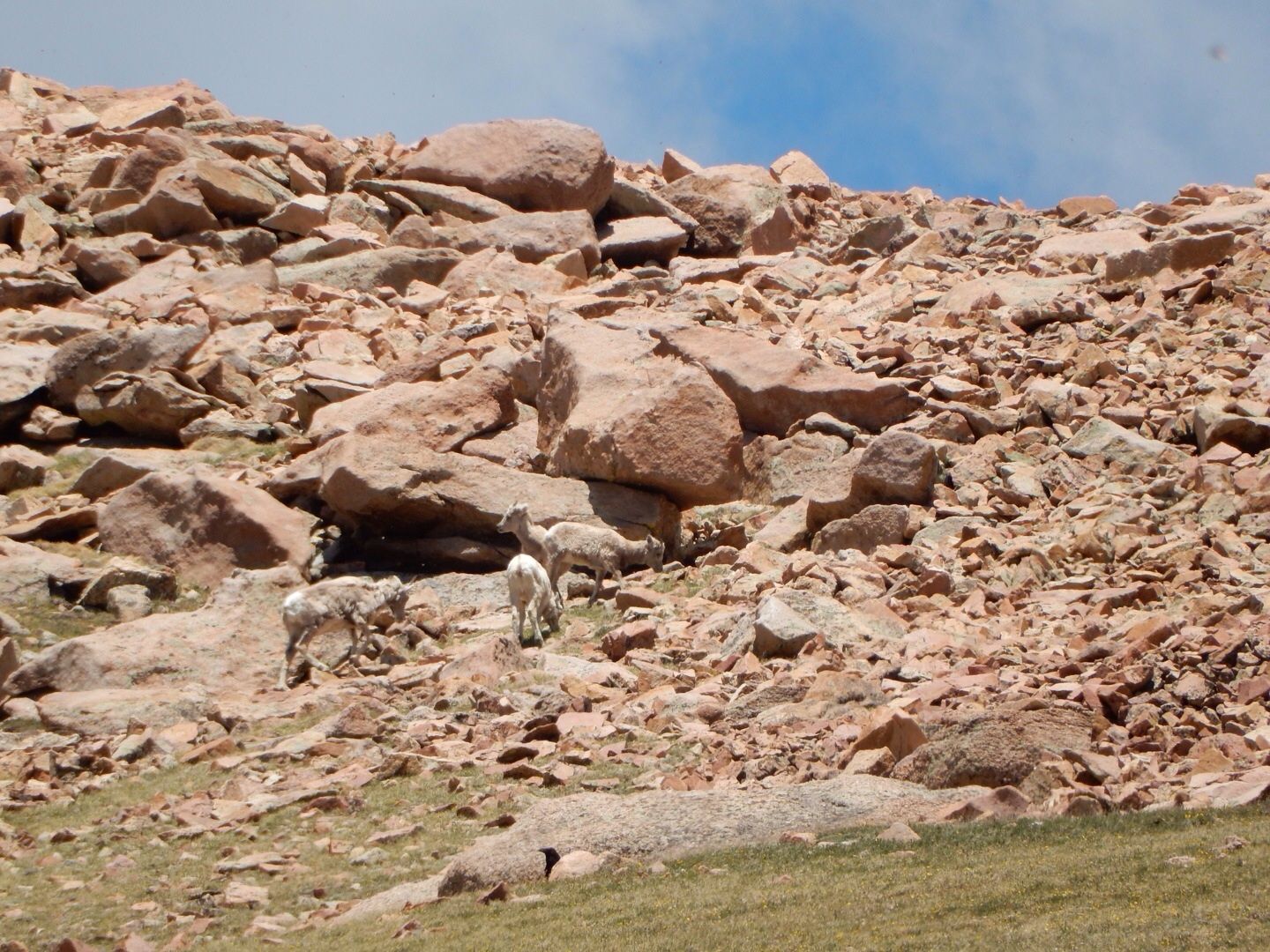
Can you see the big-horn sheep?


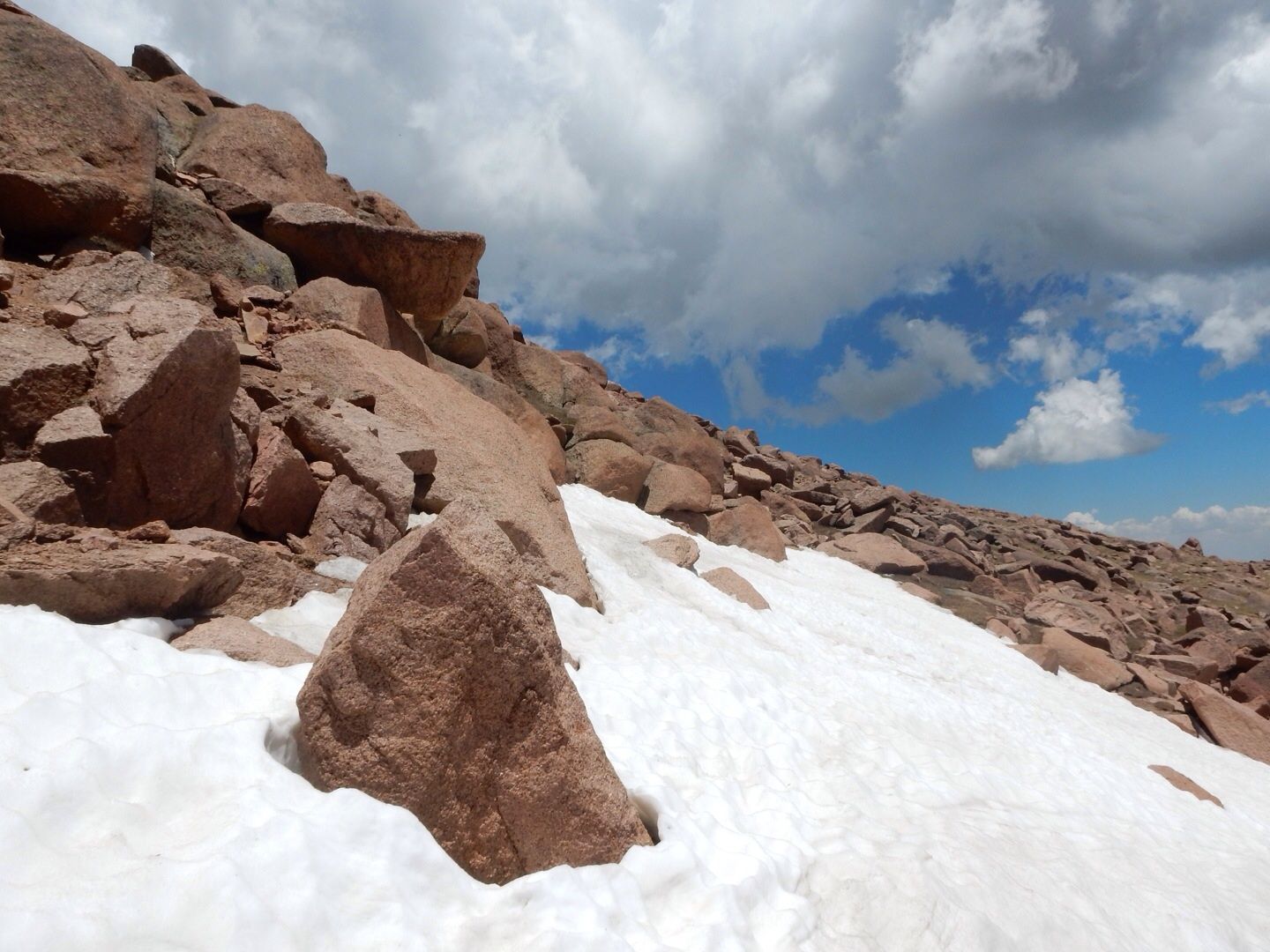
Getting close to the summit.


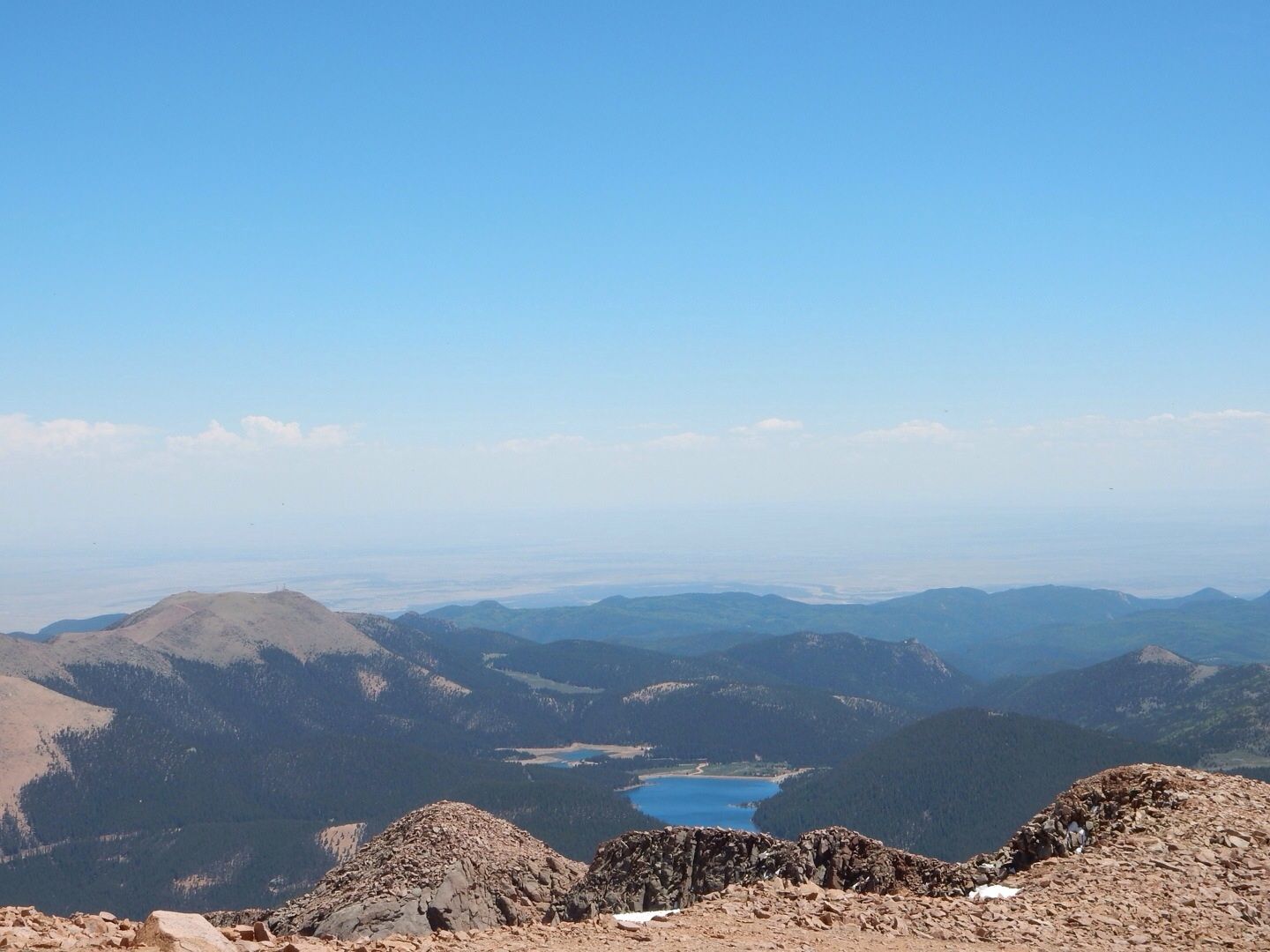
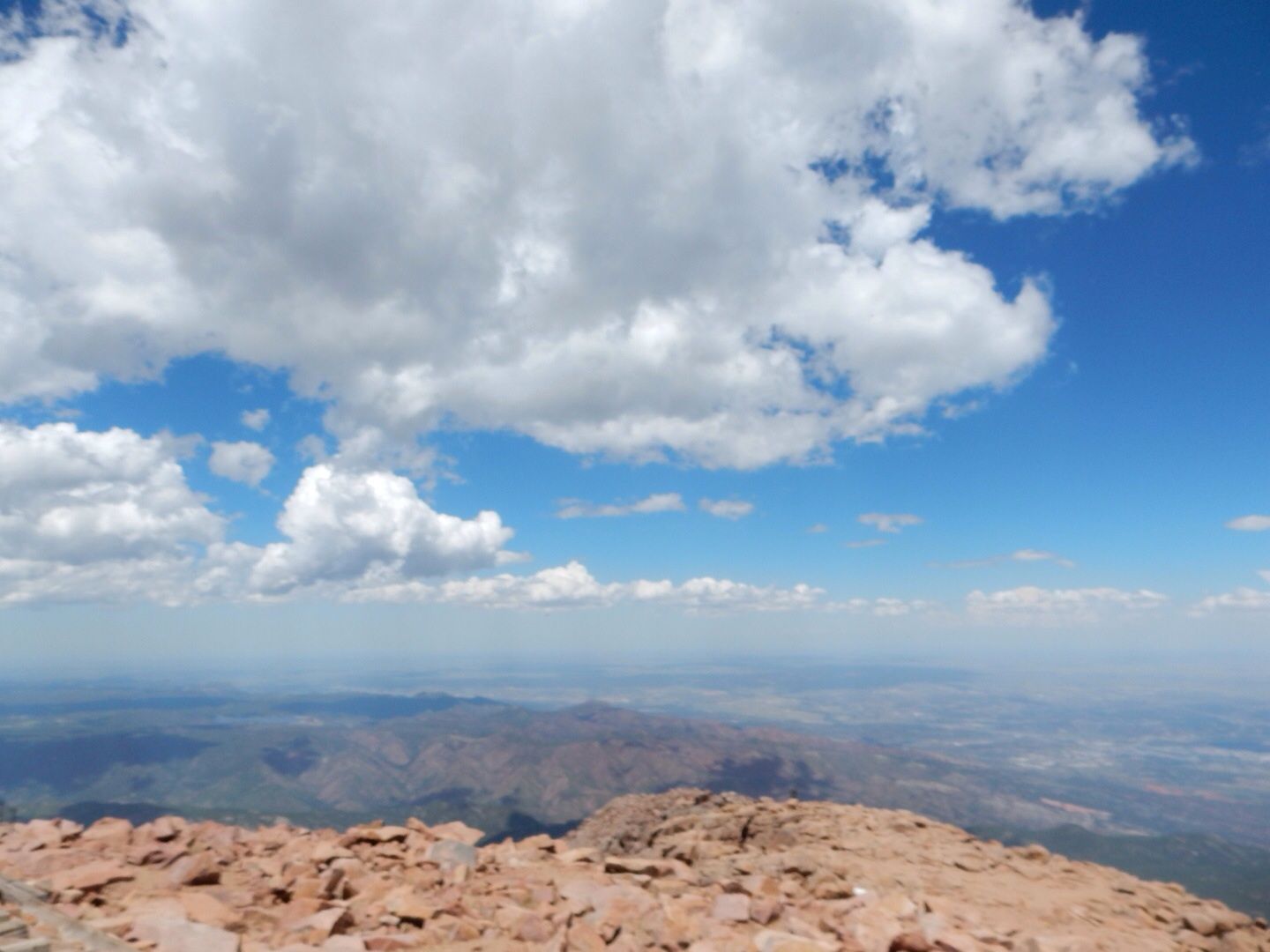
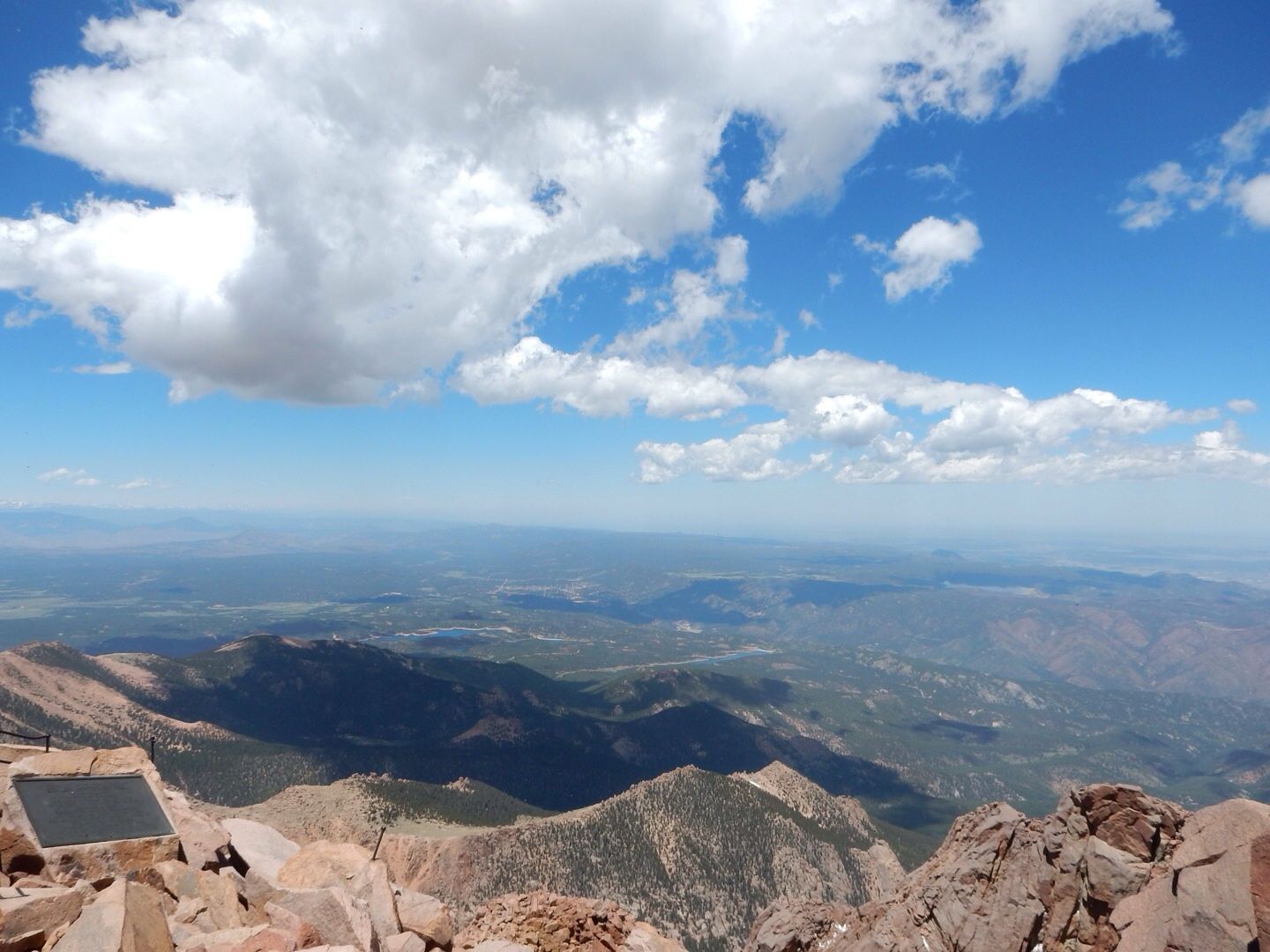
Breathtaking views from the summit.


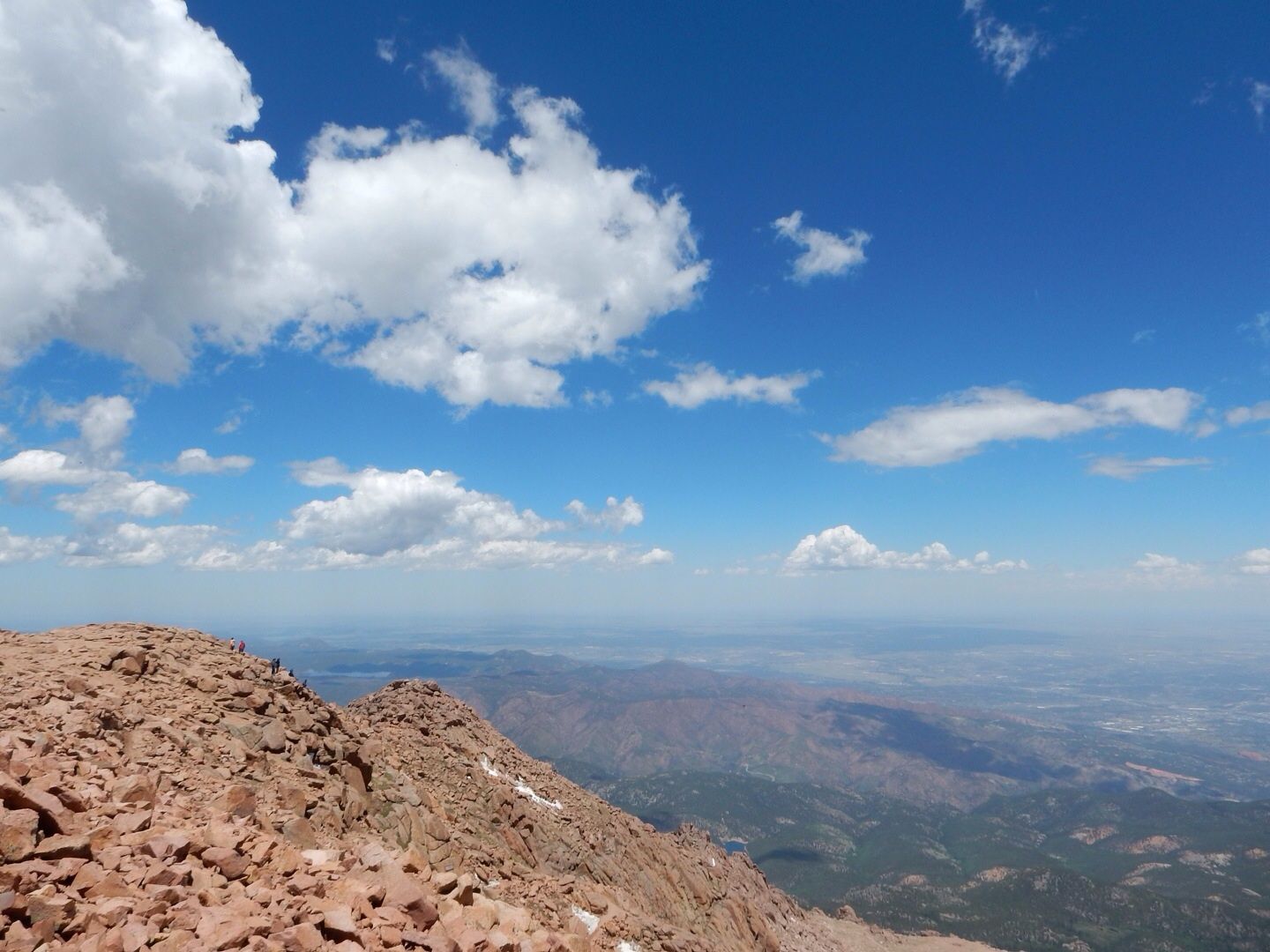
Can you see the hikers on top of the rocks on the left in this photo?


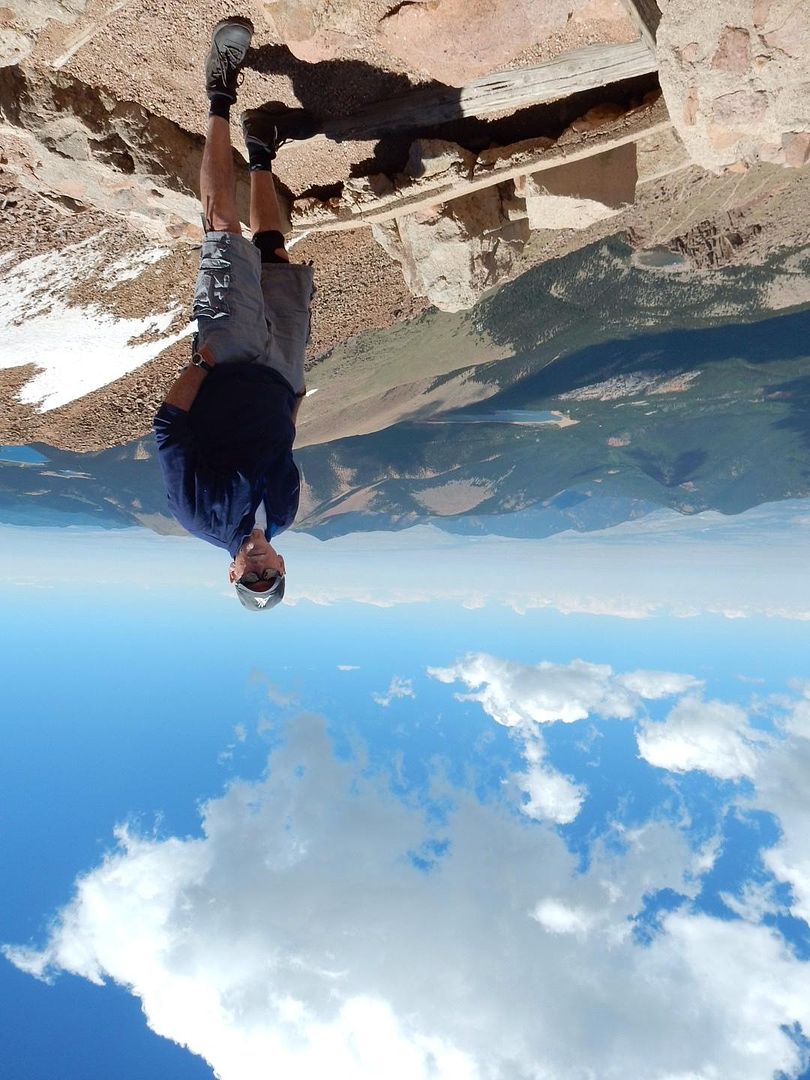
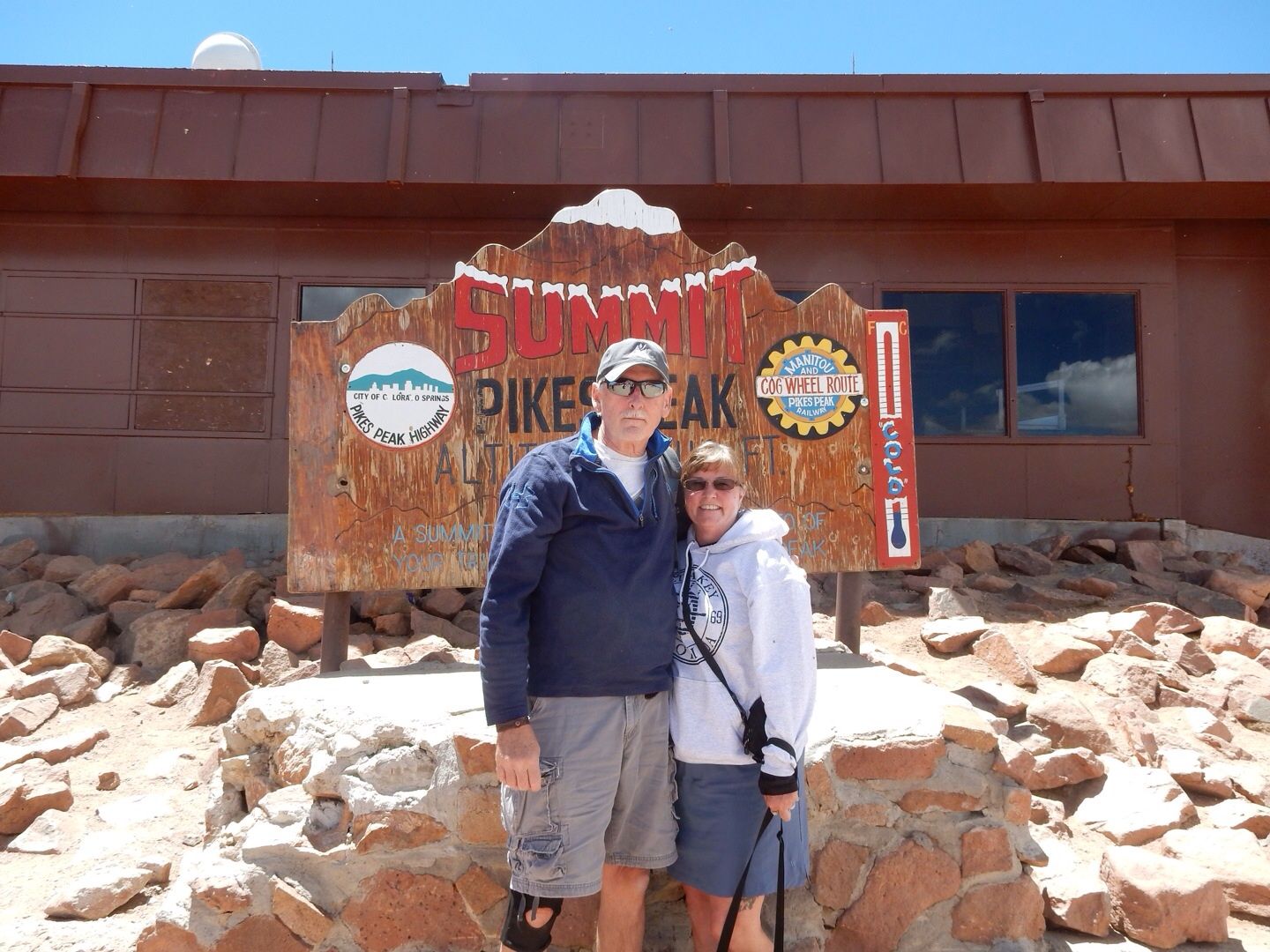
This is the spot where we ate our lunch. It was breathtaking! Here's a photo of my handsome husband.
And the two of us.

Photo of rail car ascending the mountain as ours is descending.


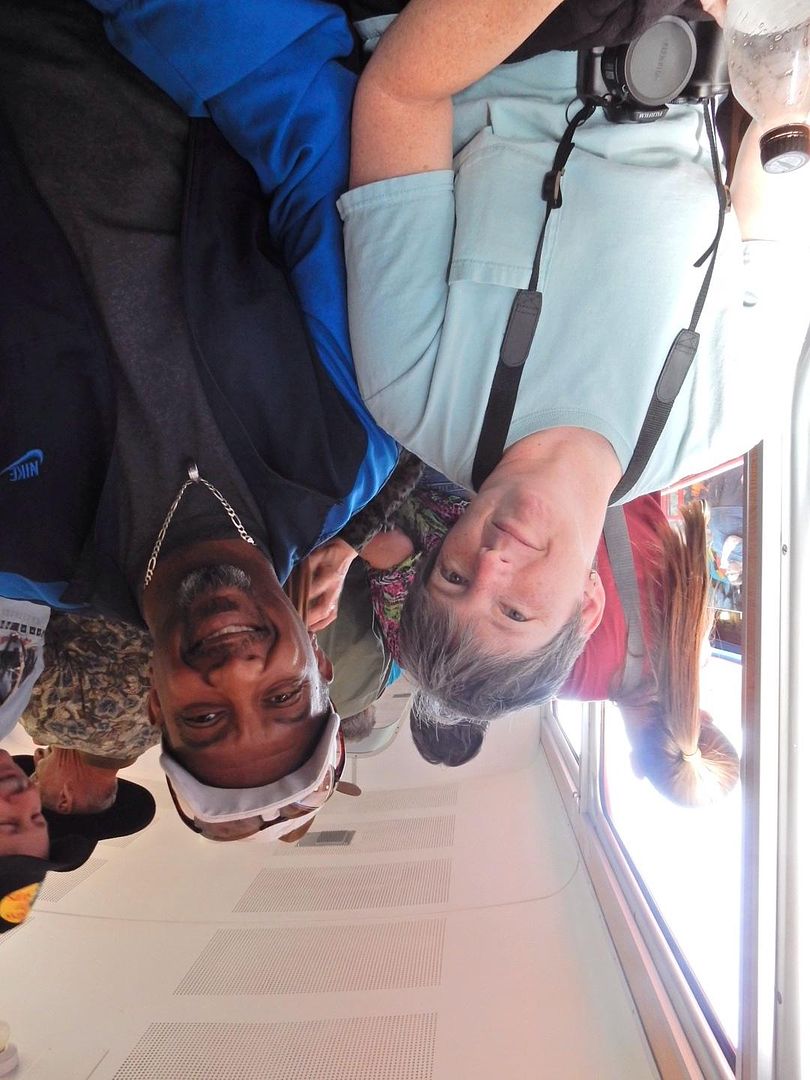
Part of the enjoyment of our trip was meeting this lovely couple, Penny and Darryl, who had seats across from us on the train. We hope to reconnect with them someday in our travels.


Be sure to take plenty of water with you and some food, as you will feel light-headed at the top due to the altitude. When we hiked only about 25 feet on the rocks, I could feel my heart pounding! There is a gift shop and cafe at the summit as well. They say the doughnuts are awesome, but they were sold out when we were there. Baking them at that altitude is no small feat!

Initially, I thought this excursion was a bit pricey, but after the experience I feel it was well worth it. There is a road that you can drive to reach the summit as well. We were told the trip takes about 1.5 hours each way. 


Manitou Springs Cliff Dwellings - 6/19/14

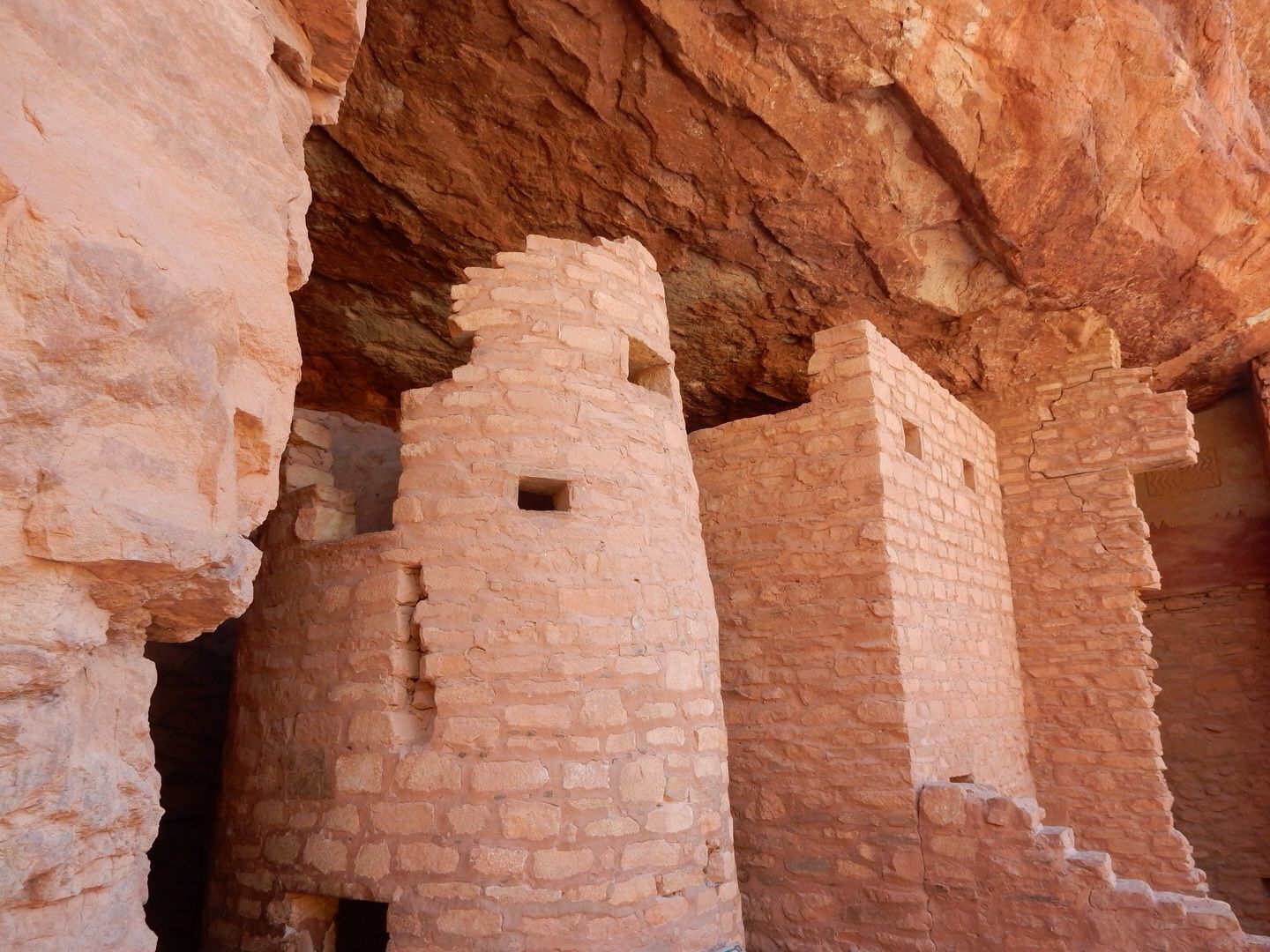
Twenty-two rooms comprise these dwellings that you can explore via a self-guided tour. This is one of the most accessible examples of cliff-dwelling architecture anywhere. The Anasazi, also known as the ancient ones or the Ancestral Puebloans, existed in the Four Corners area from 1100 -1300 AD. It is an archeological mystery as to what happened to their culture.

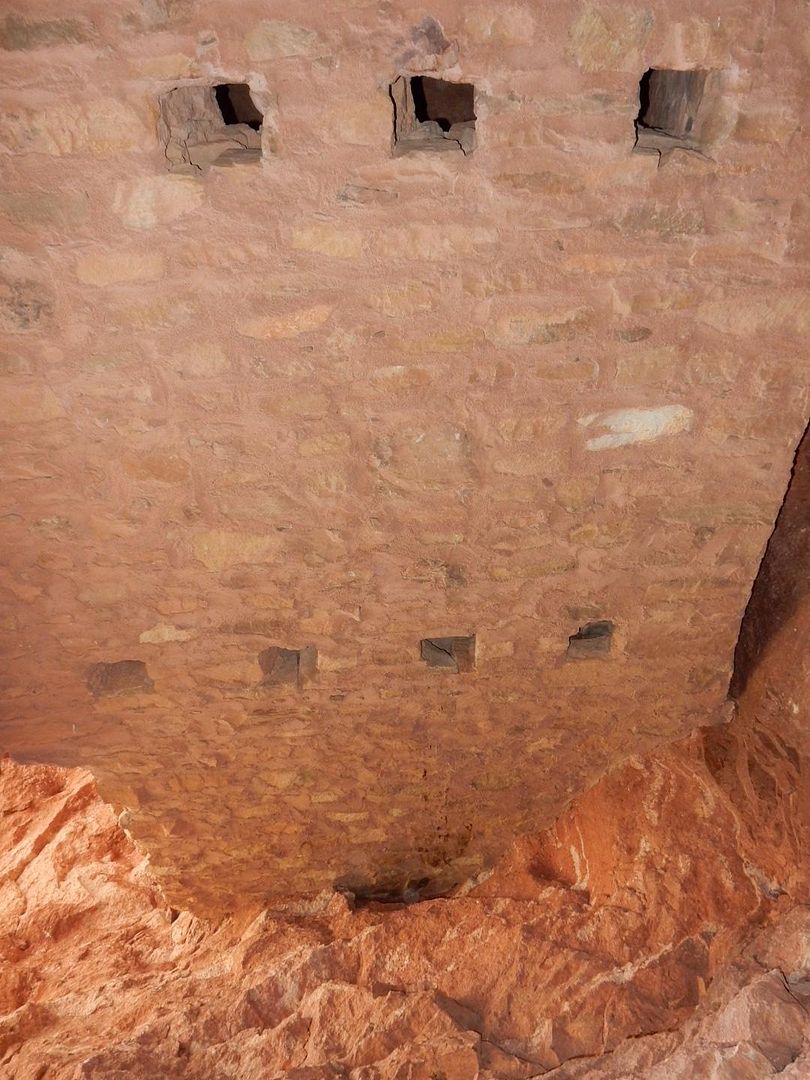
Slabs of stone were used to cover the doors and windows for protection from harsh weather. These were three stories and families occupied rooms on each level.


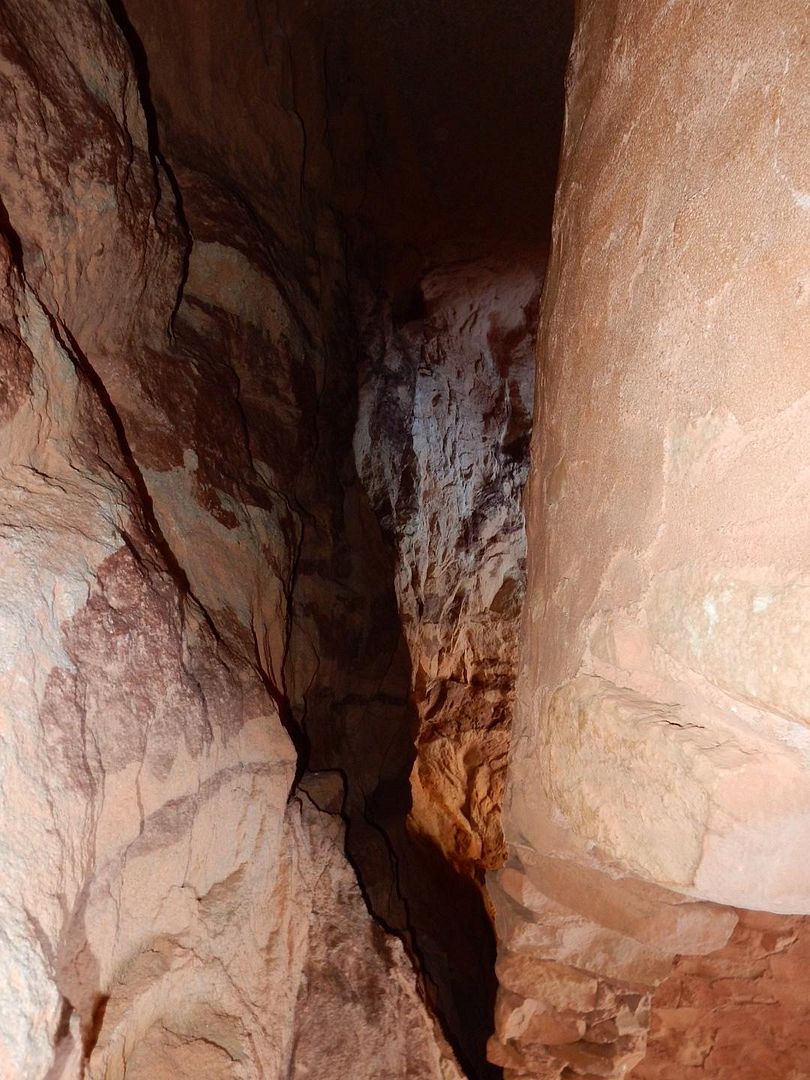
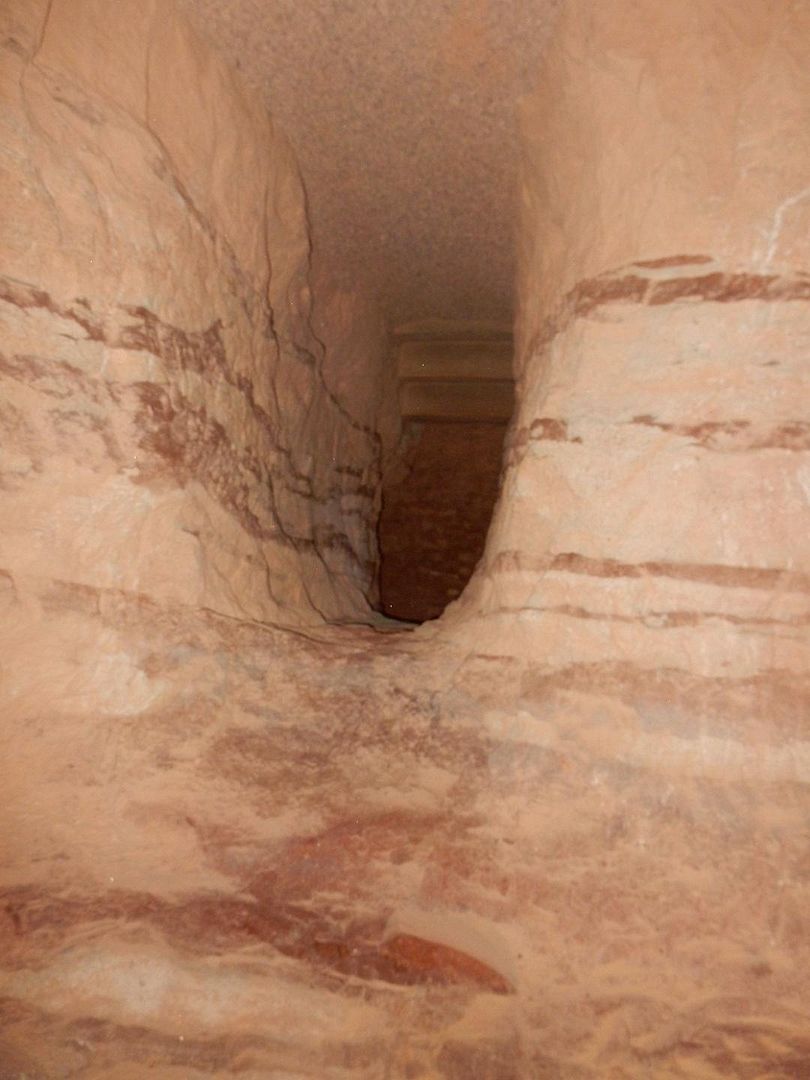
Narrow passageway through the stone. 


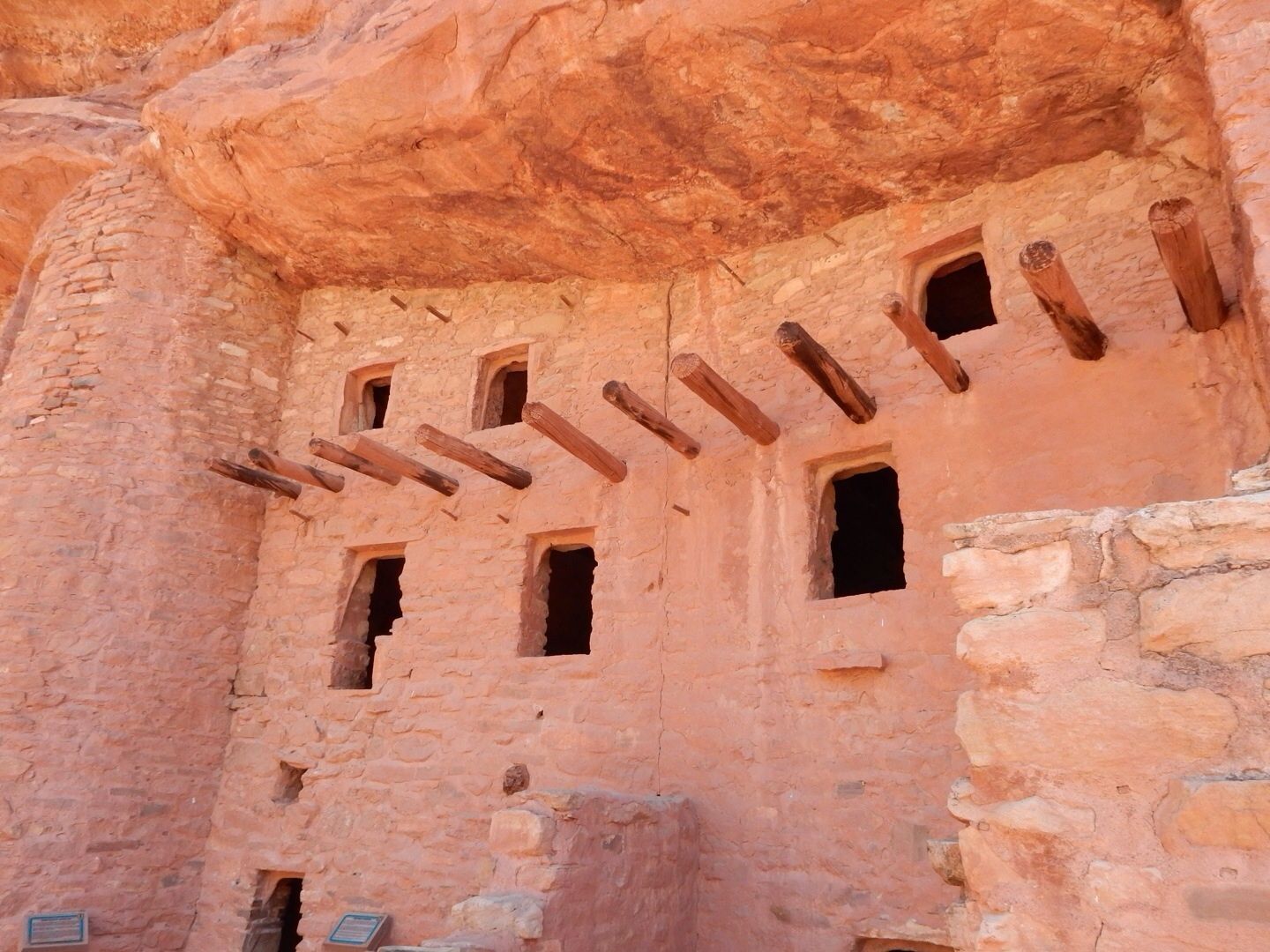
Beams of wood were originally in place between the floors of the dwellings.


Entryway to one family's dwelling.


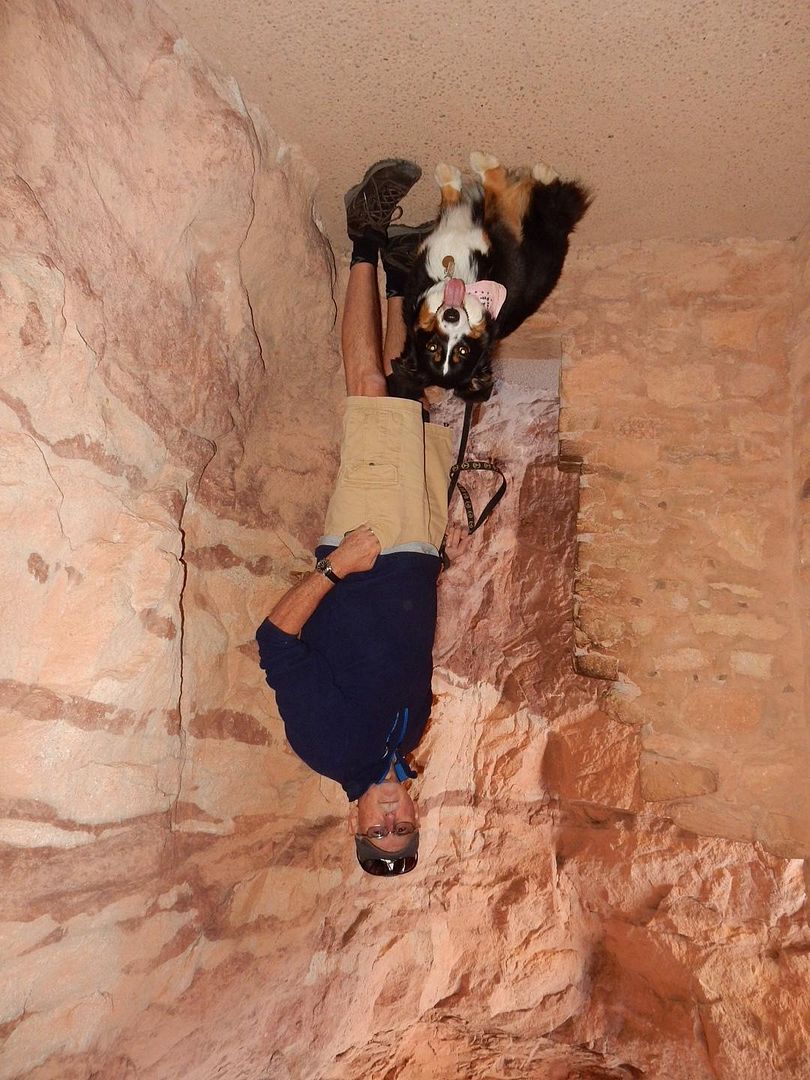
Sadie enjoyed exploring the dwellings as well.


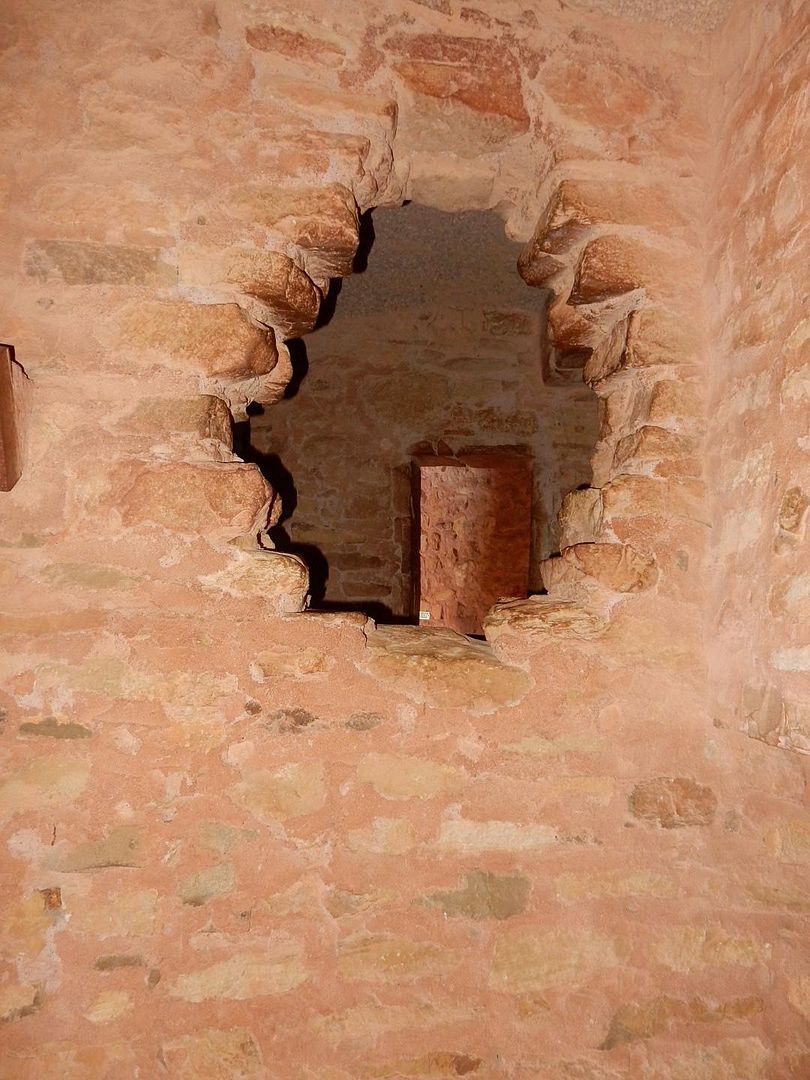
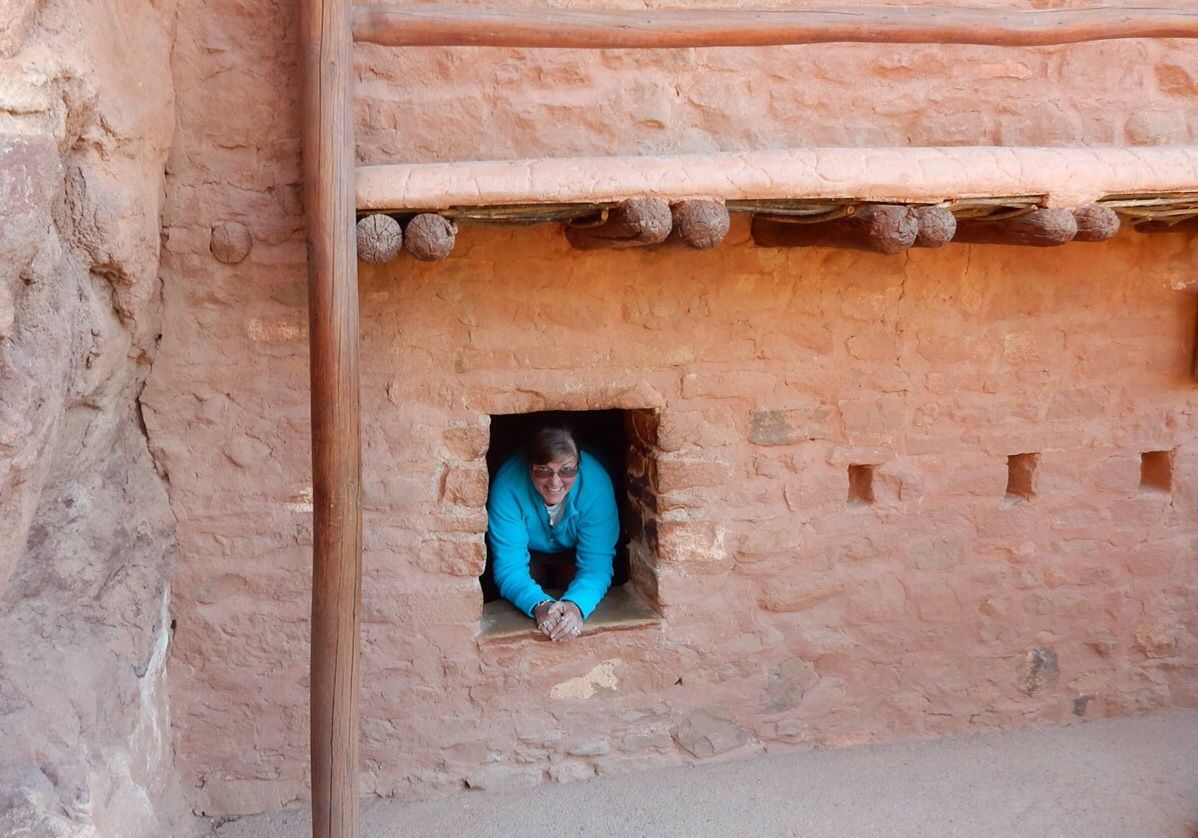
Entryway to one room and window into the next.


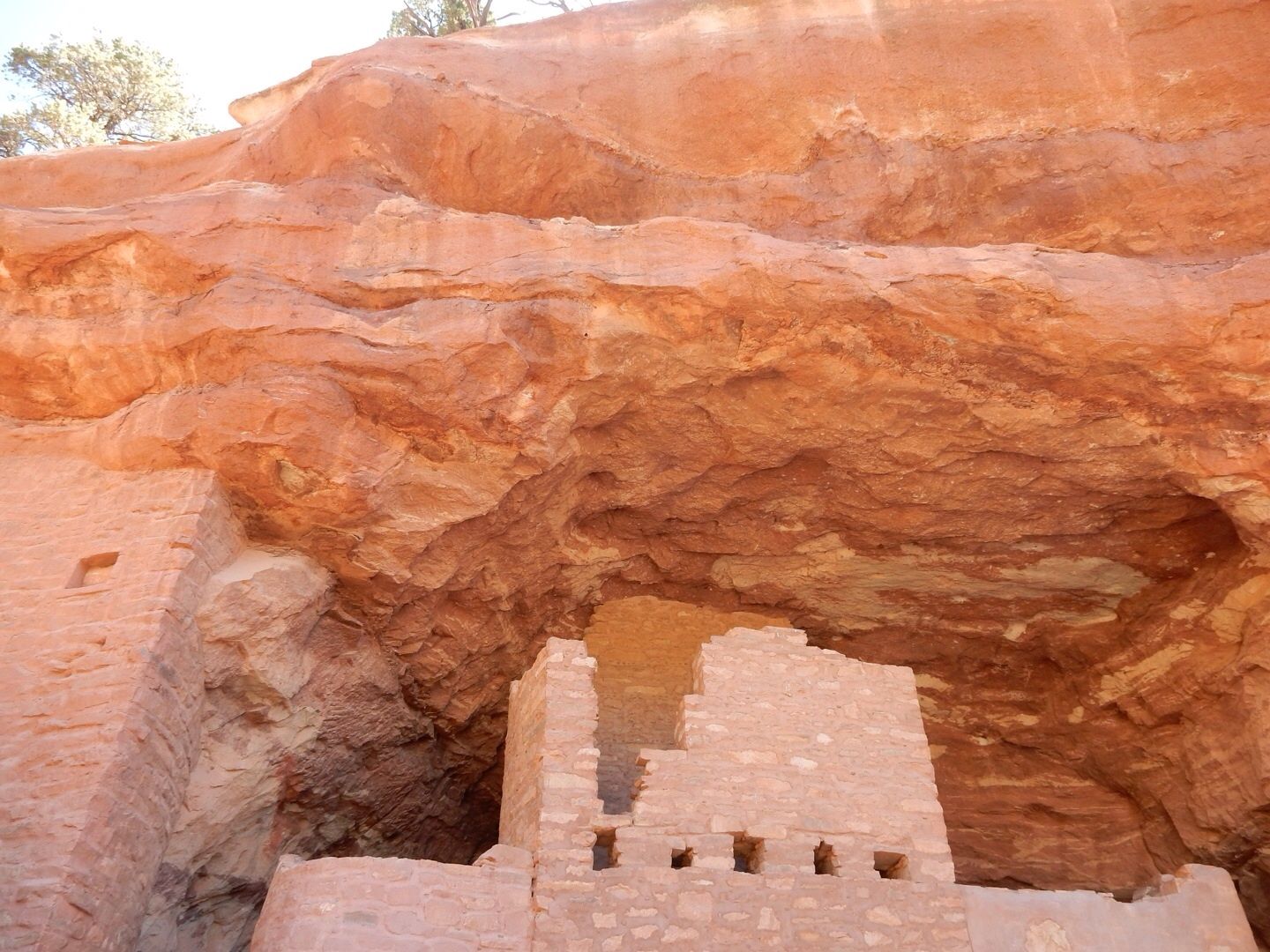
Check out the overhang ... this is one reason these are so well preserved.


More exploring...

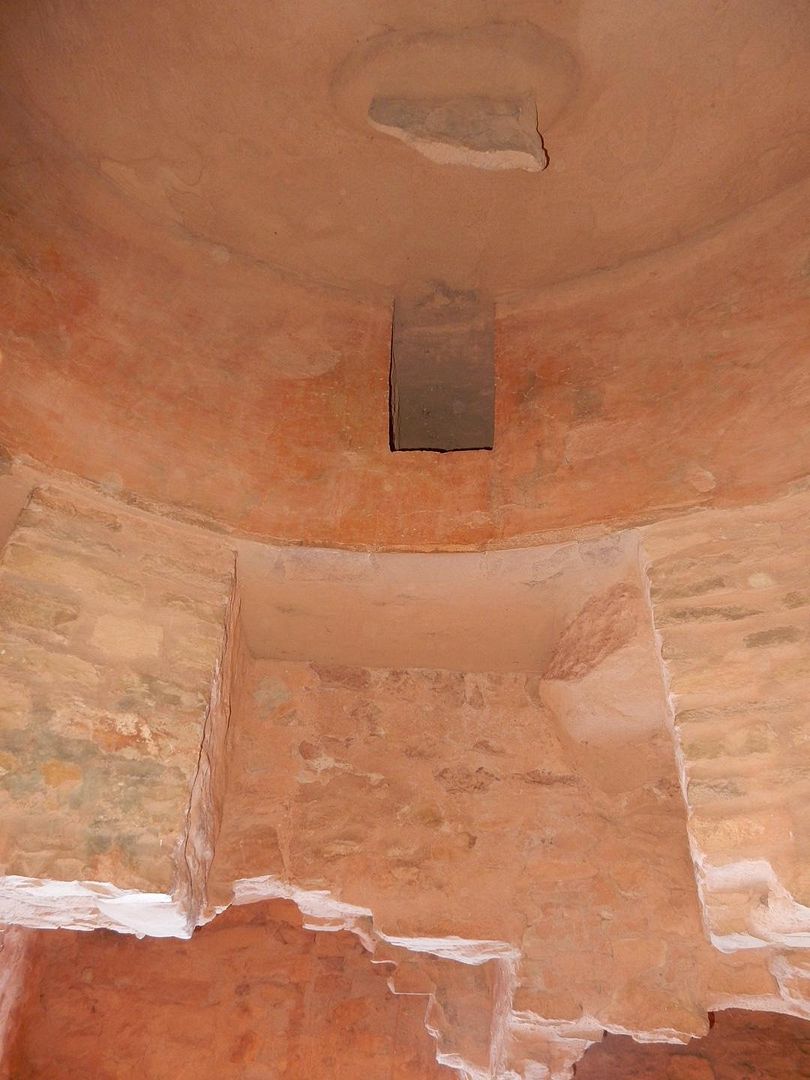
This circular pit was the sacred kiva used by the tribal men as a ceremonial chamber. Originally, it was covered with a roof made of timbers, cedar chips, and clay.

Exterior view of the kiva and adjoining structures.


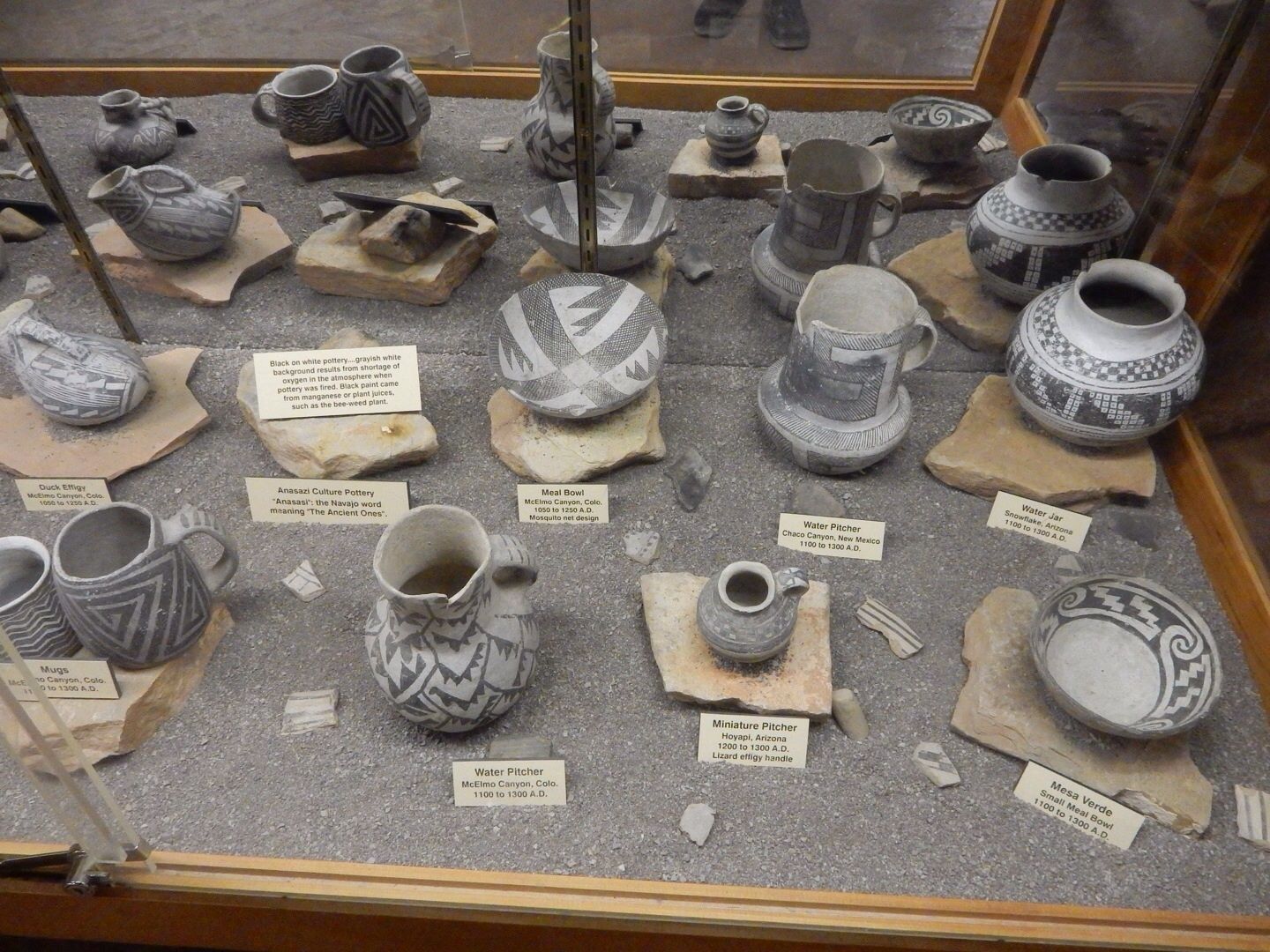
Next to the Cliff Dwellings is a three-story Pueblo-style building built in the style of the descendants of the Anasazi. The first six rooms were built in 1898 and has been expanded multiple times since.  It houses a gift shop and the Anasazi Museum. There are many exhibits depicting their daily life including tools, weapons, medicine, and pottery.  

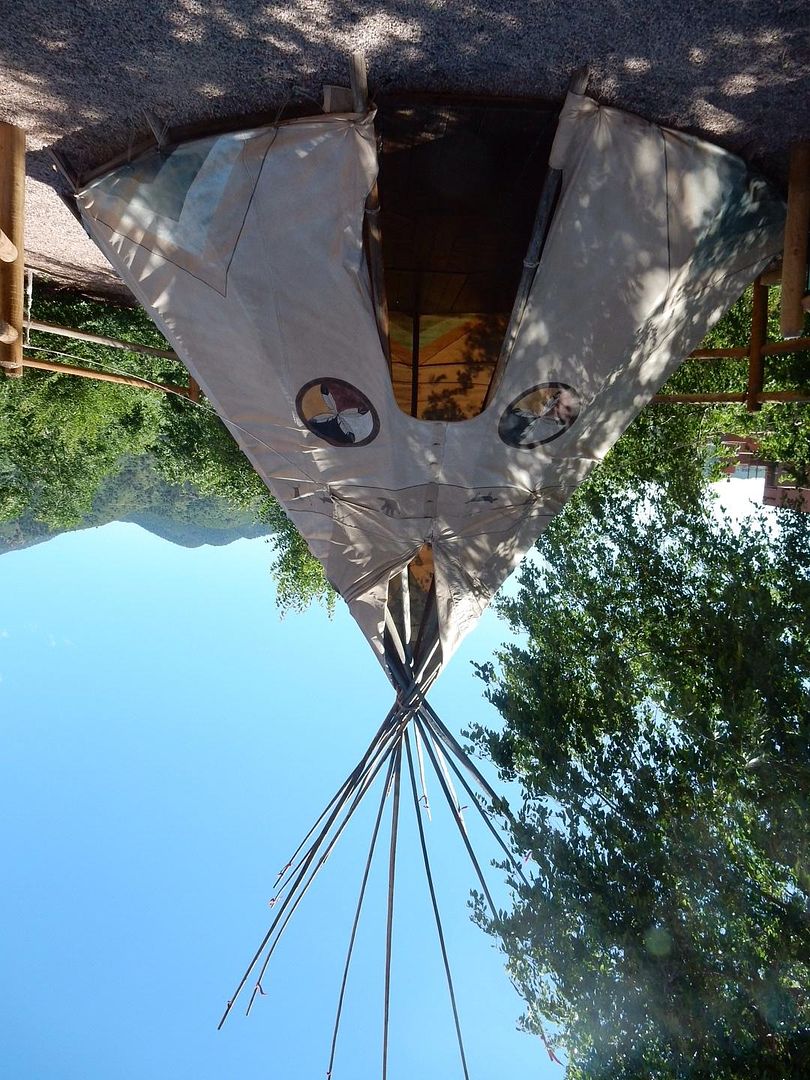
Two additional Native American structures are on display.  Below is a typical tipi.

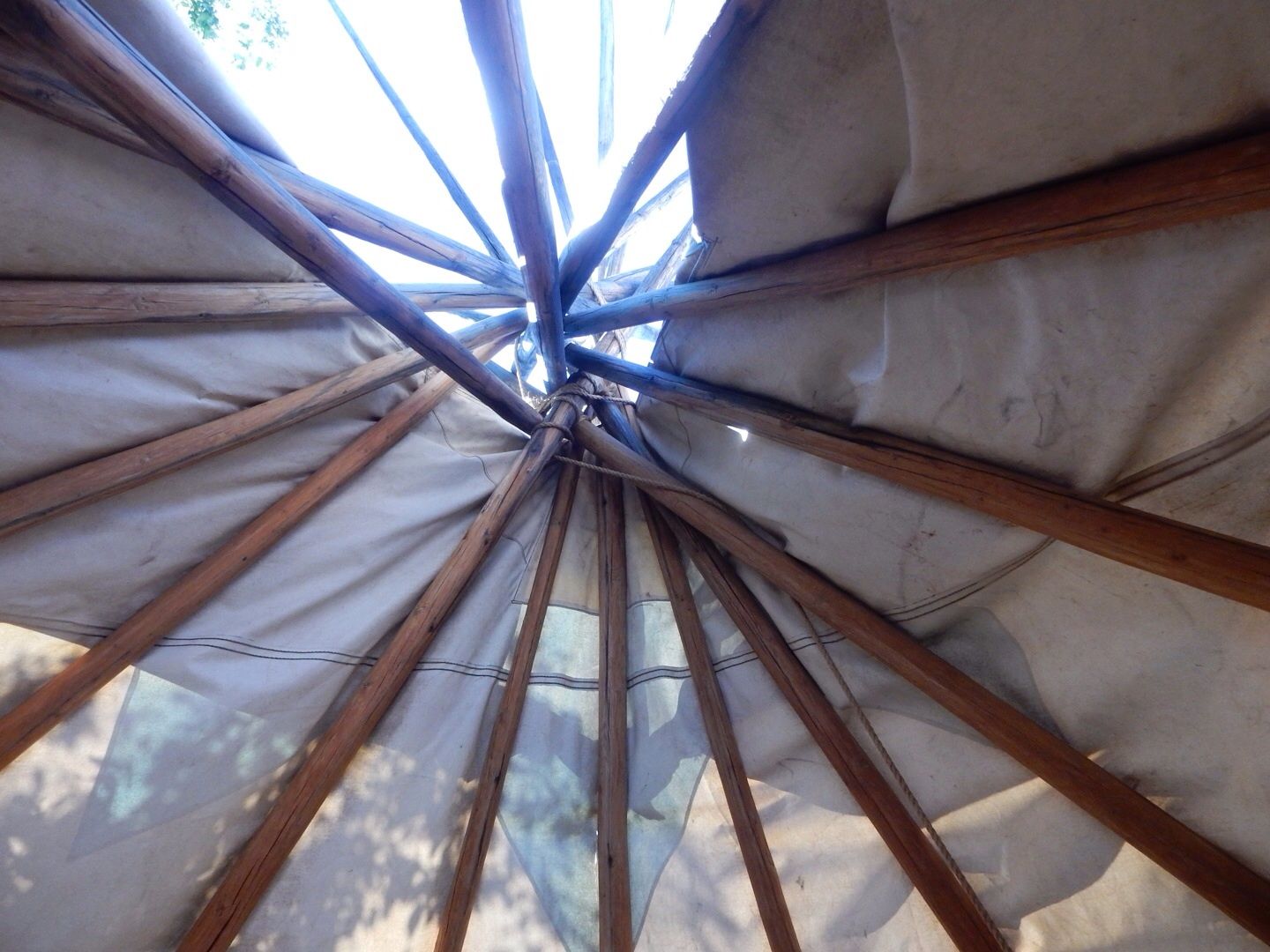
The interior flaps at the top were opened to allow smoke to escape or to cool the home.


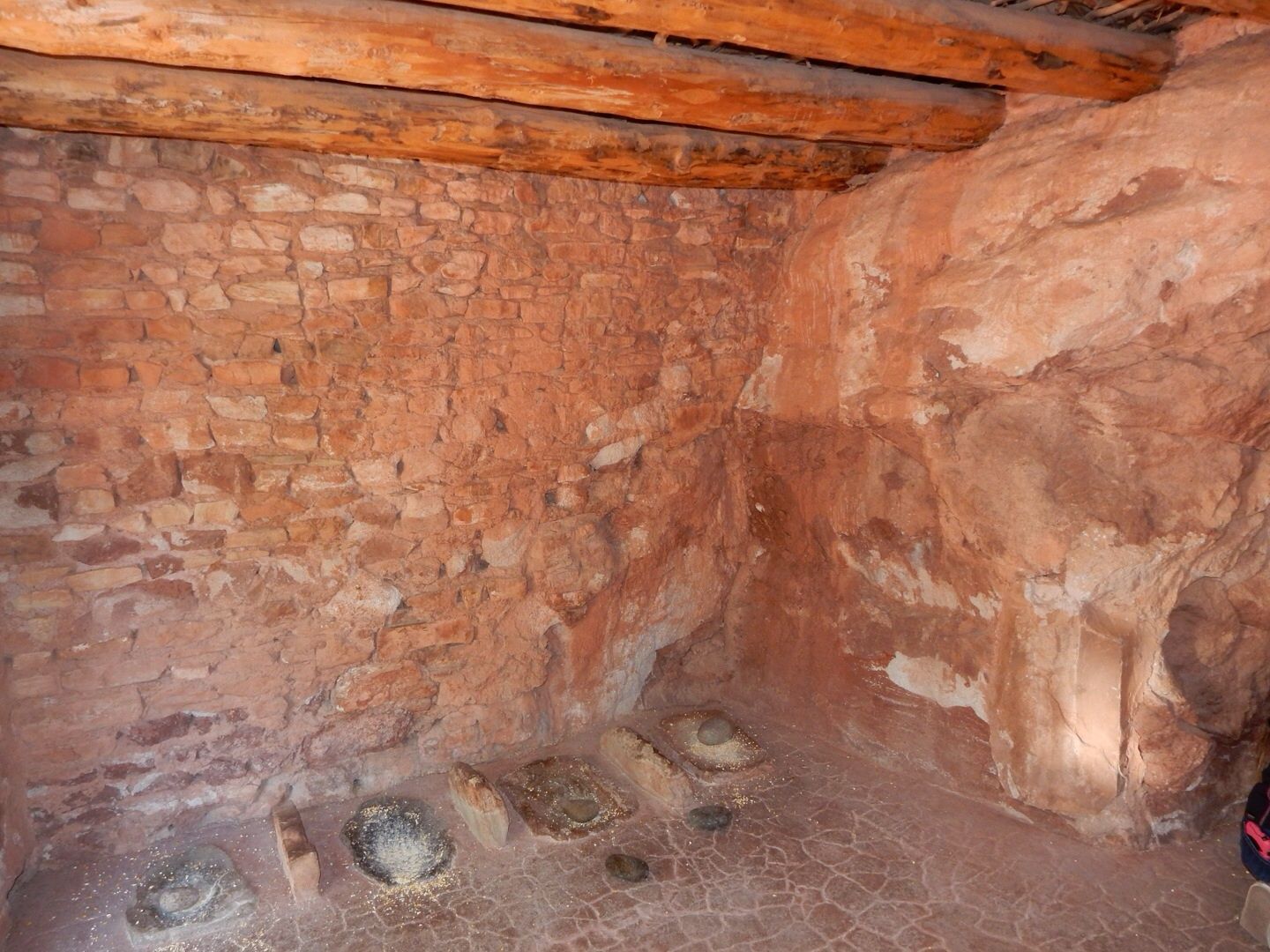
This is the interior of a mesa house, a typical one-room family dwelling built by the ancestors of the Anasazi.

An entry fee is charged at the entrance: $9.50+tax adults; $8.75+tax seniors. This is also a dog-friendly site. We thoroughly enjoyed our visit.

Tuesday, June 17, 2014

Raton, NM, and the Raton Museum - 6/17/14

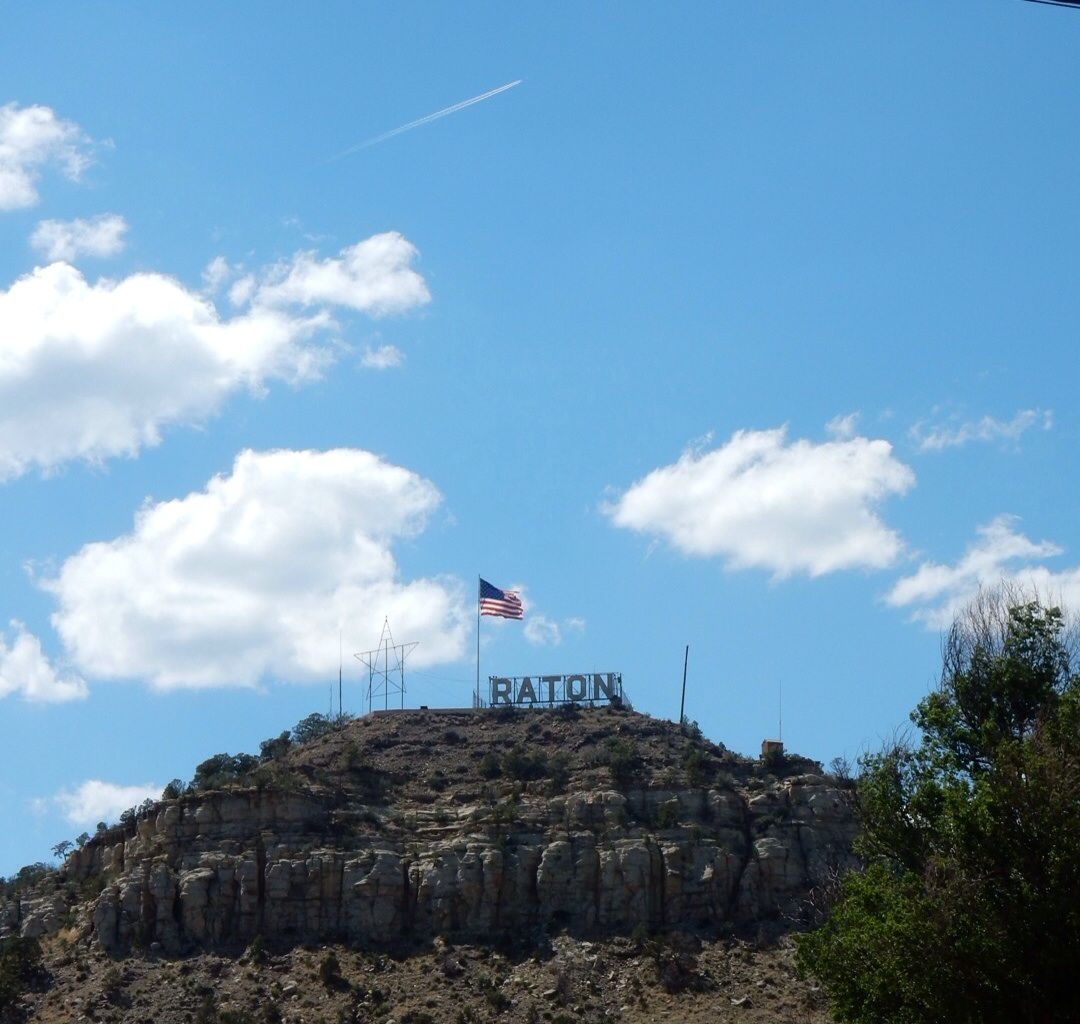
This town in northeastern New Mexico is about 10 miles from the Colorado state line. The Raton Pass, on the north side of the town, is part of a 75-mile ridge that extends east from the Sangre de Cristo mountains. The pass was used by Native Americans and Spanish for centuries to cut through the Rocky Mountains, although it was too rough for wagons on the Sante Fe trail. Current population is about 7,000. The town developed when the Atchison, Topeka, and Santa Fe Railroad located a repair station at the base of the Raton Pass around 1880.


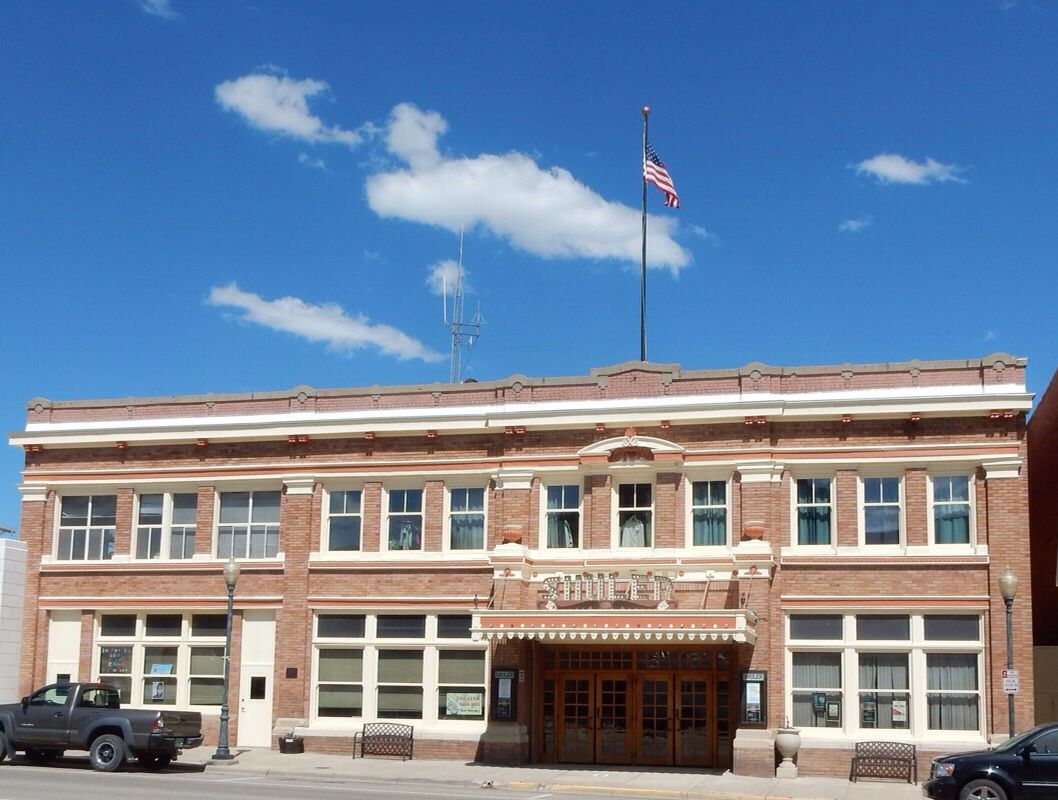
The elaborate Schuler Theatre was completed in 1915 and is still in operation today. The building housed the opera house, the fire company, and city offices. Designed in the European Rococo style, it boasts near perfect acoustics. The interior is decorated with murals painted in the 1930s. Restoration was started in the 70s and continues today.


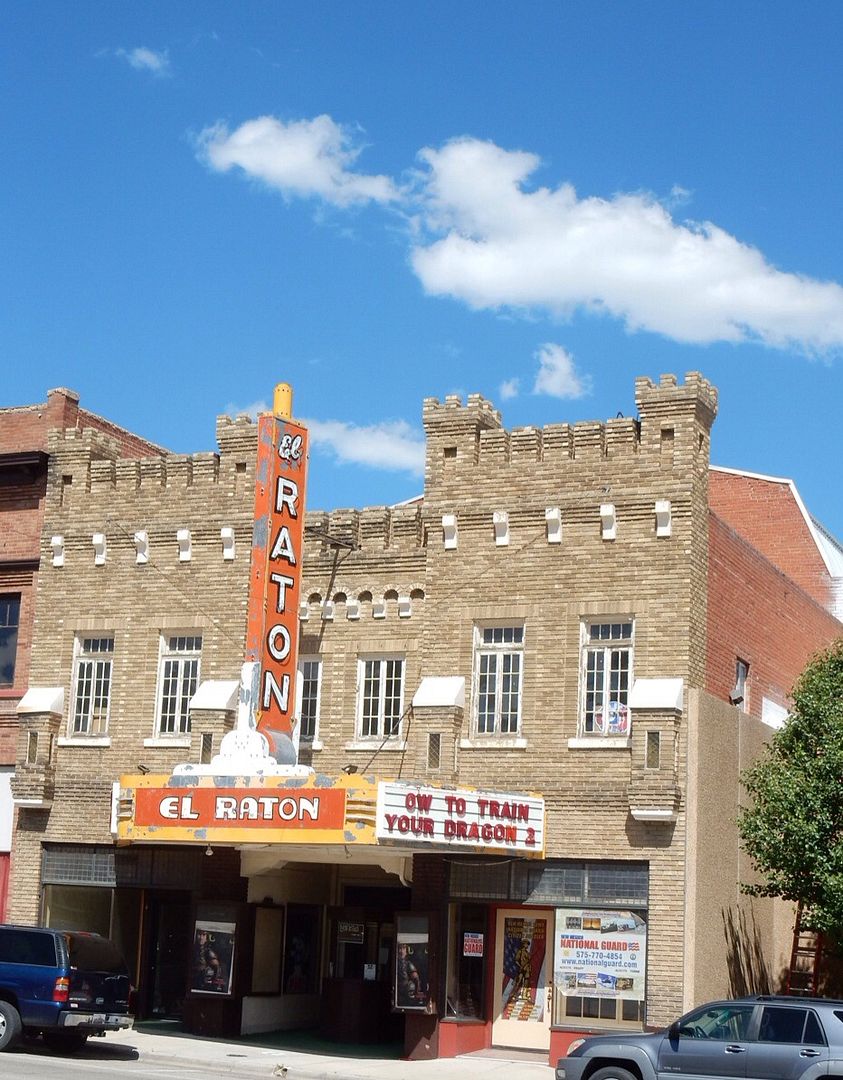
Vintage El Raton movie theatre remains open today.


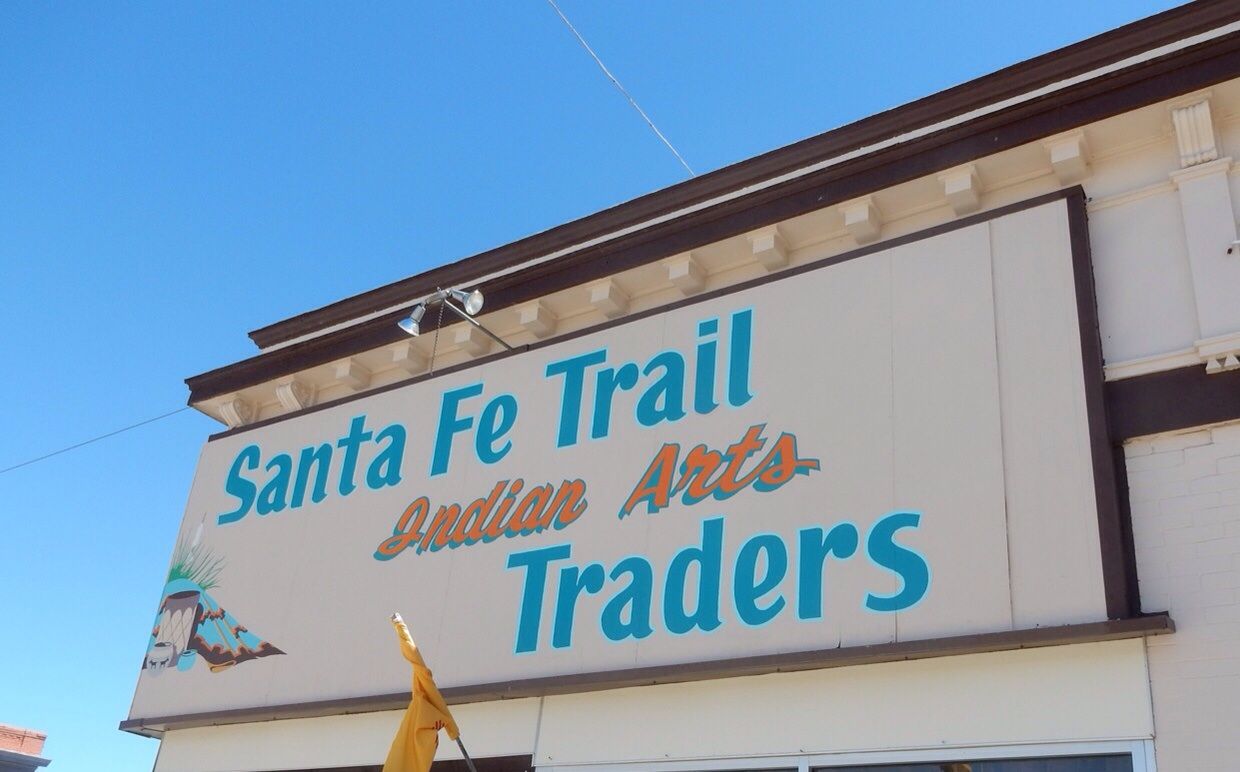
This is a great place to shop for southwestern jewelry, rugs, and many other interesting items. We enjoyed talking with the ladies that worked there and picked up a couple of nice gift items (plus John bought me a necklace with a "white buffalo" stone that is unique and beautiful!)


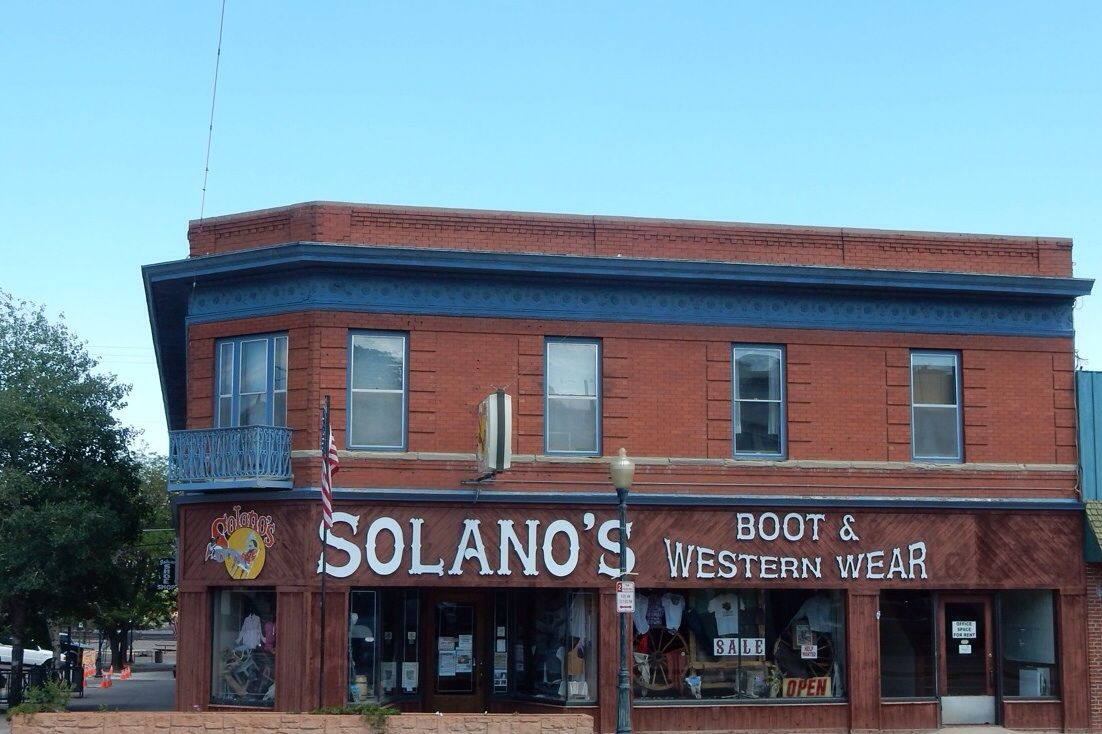
Here's a great western wear store in the middle of Raton, with a huge selection of boots, cowboy hats (both new and vintage), jeans, vest, outerwear, etc.


The Raton Museum is in the center of the historic district in what was once the bank. The displays are very well done and we enjoyed perusing the artifacts displayed there.

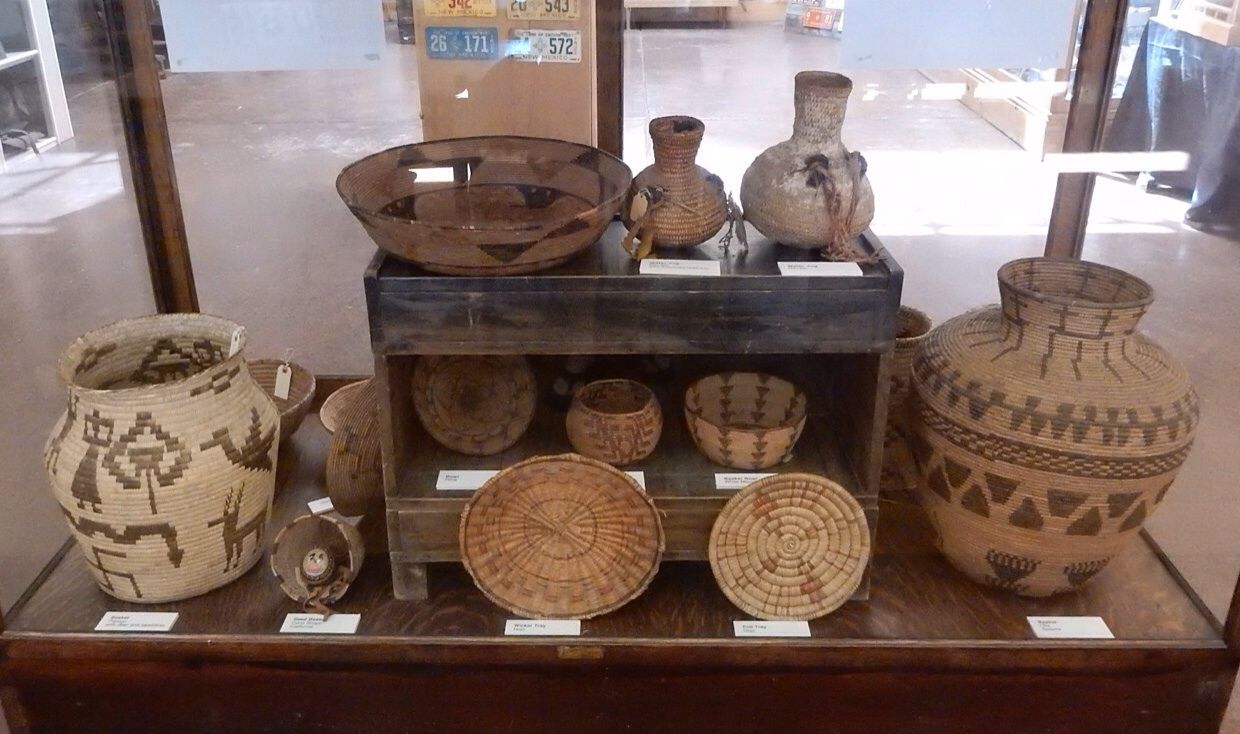
Beautiful collection of Native American basketry (this is only one of the exhibits....)


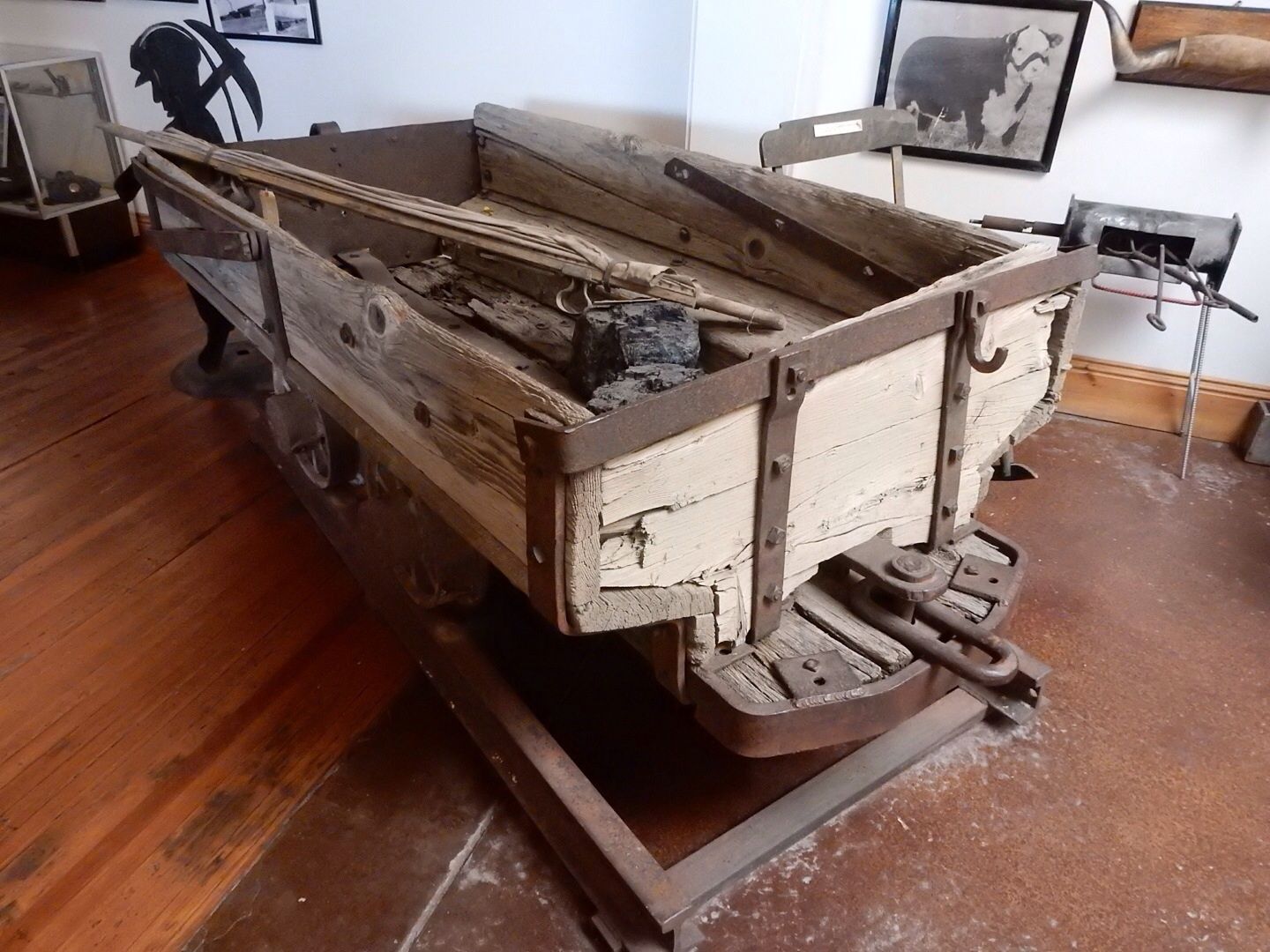
Coal car from nearby mine.


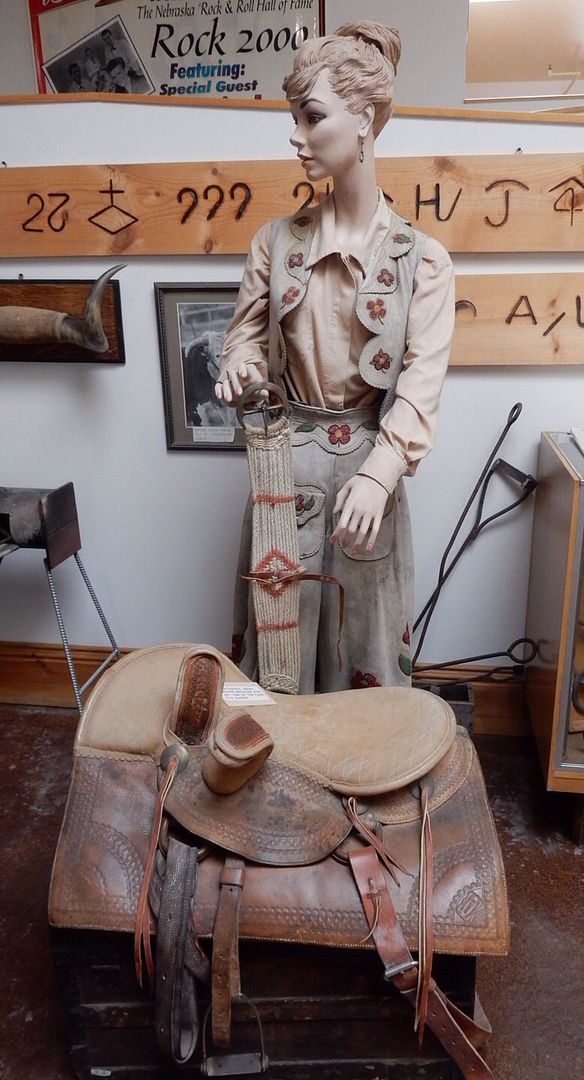
Side saddle and cowgirl garb,

Extensive doll collection (about 300) with 250 on display. Here's one of the display cabinets.


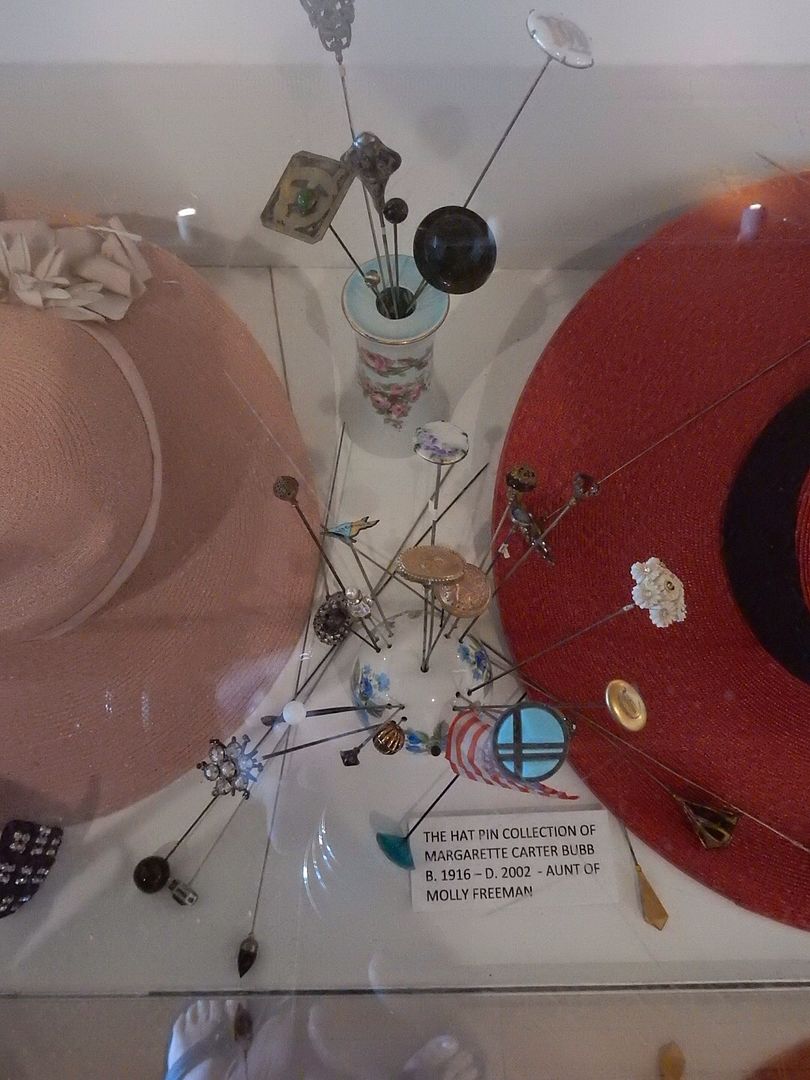
Amazing hat pin collection.
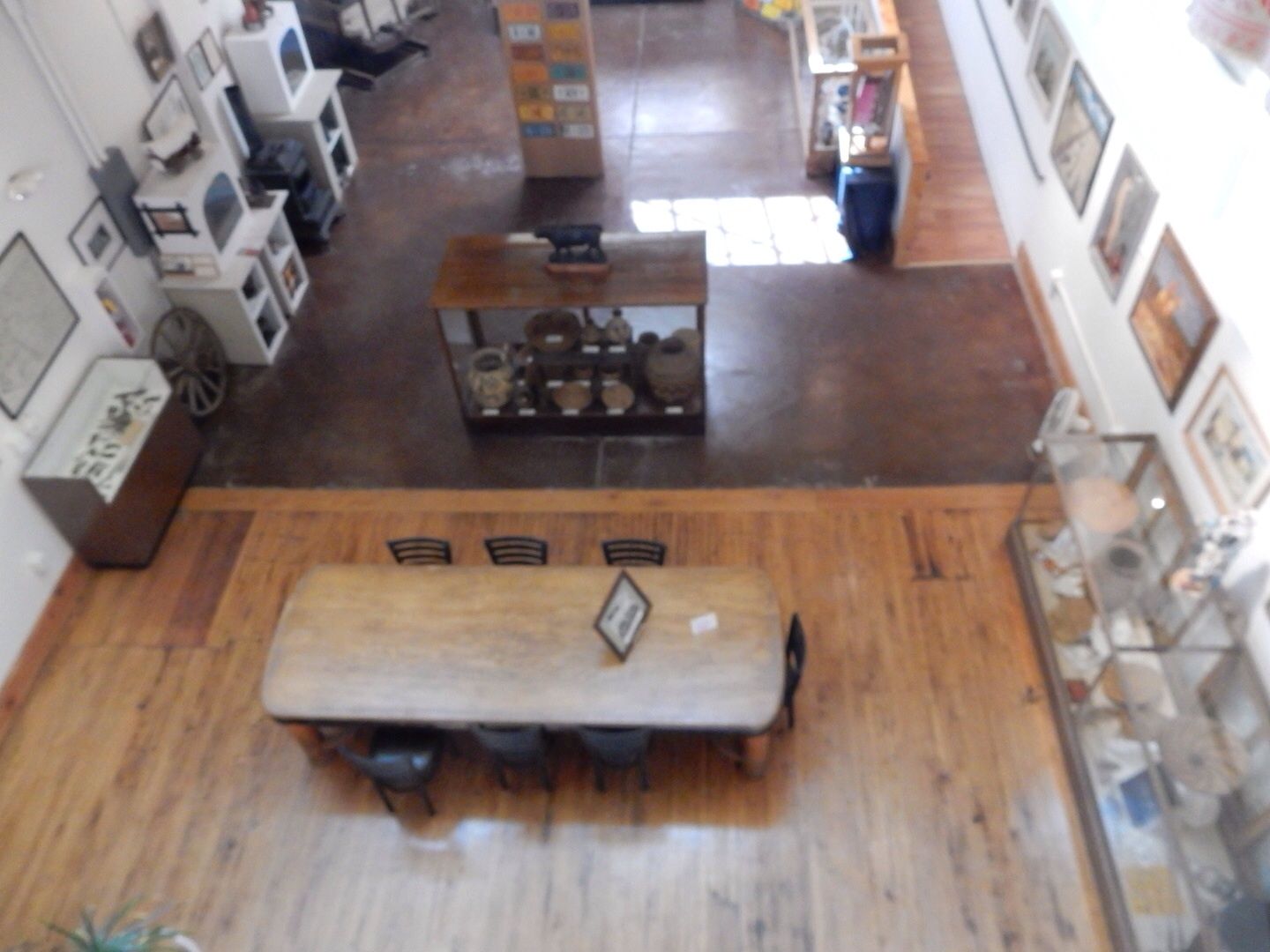
View from 2nd floor.
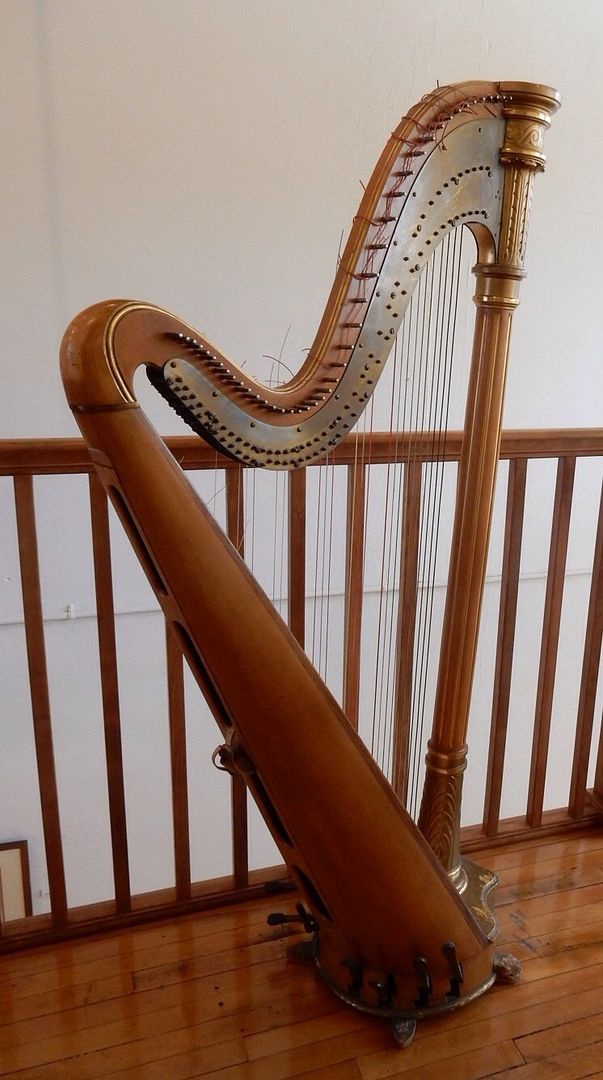
Antique harp.
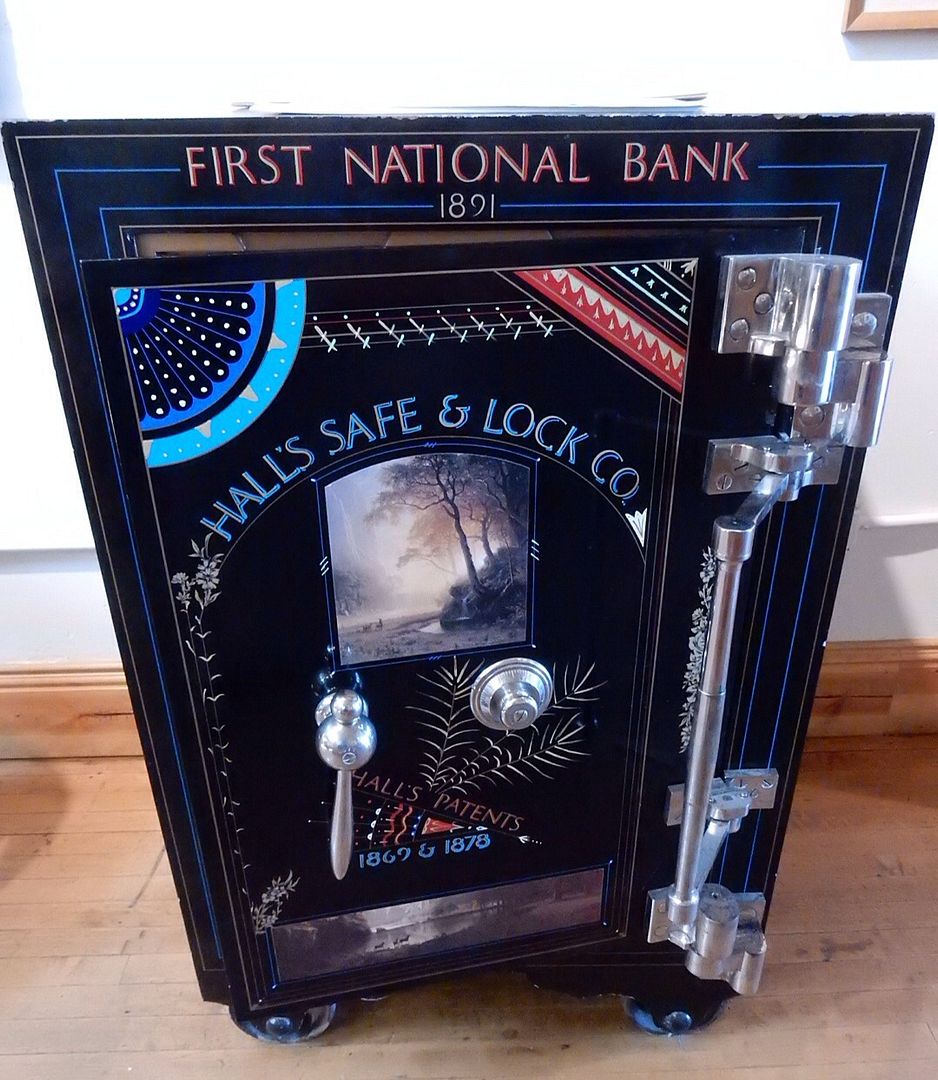
Bank safe from 1890s.

Admission to to the Museum is free and well worth the visit. Artifacts are beautifully displayed and there is a wide array of artwork, photos and memorabilia throughout. There is a brochure for a walking tour of the historic buildings of Raton that you can pick up there.

Website:  www.theratonmuseum.org