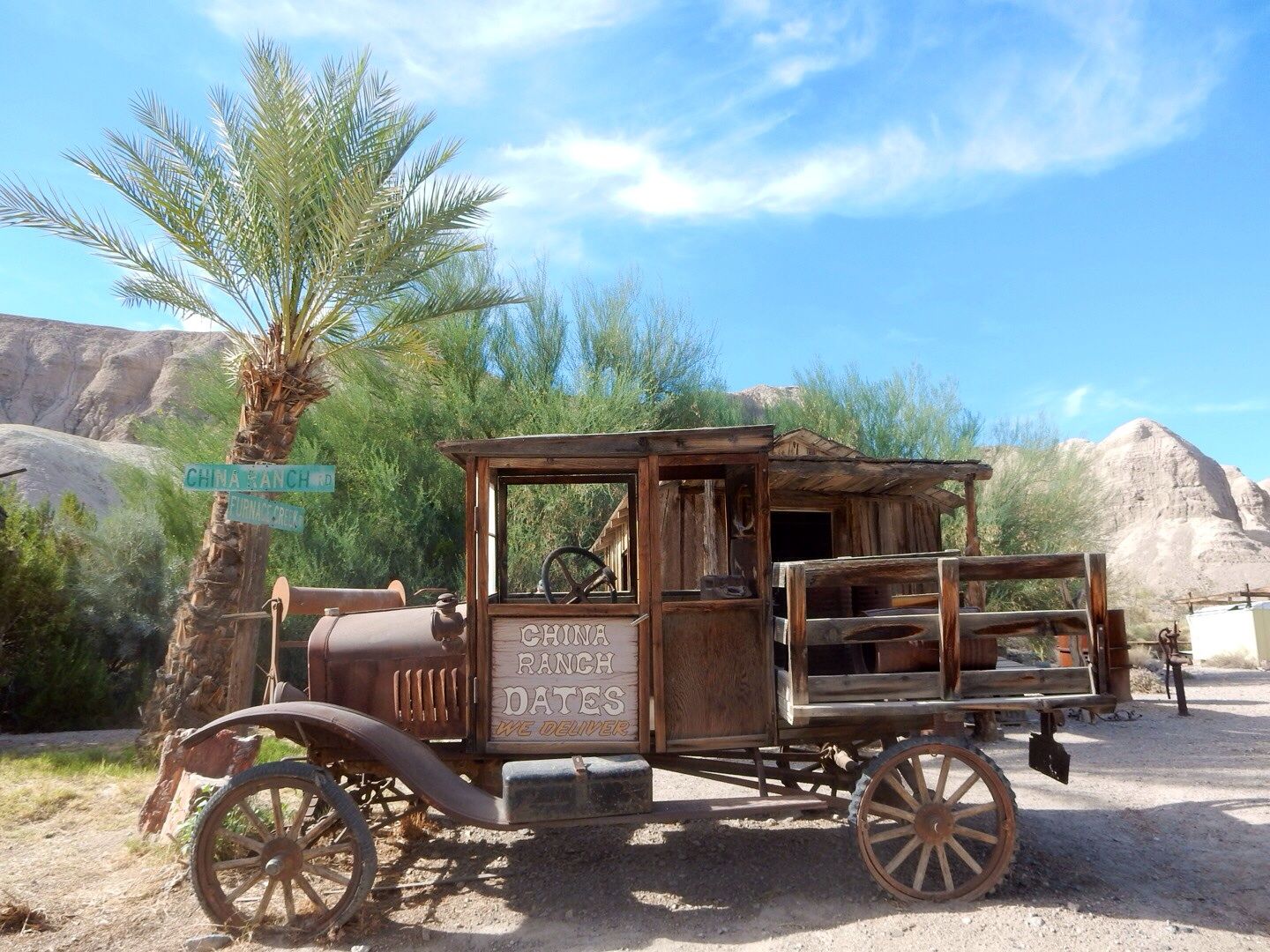
Today, it is a date farm that has been owned by the Brown family since 1970. In the 1890s, Ah Foo, a Chinese man who had worked at the borax works in Death Valley, had created a successful ranch at the location raising cattle as well as fruits and vegetables in the oasis. It was a favorite resting spot for those traveling in the region. In 1900, Ah Foo mysteriously disappeared, and the farm transferred to a man named Morrison. For 90 years it was an unsuccessful farm with various owners, until the current owners started planting date palms in 1990. The farm was opened to the public in 1996.
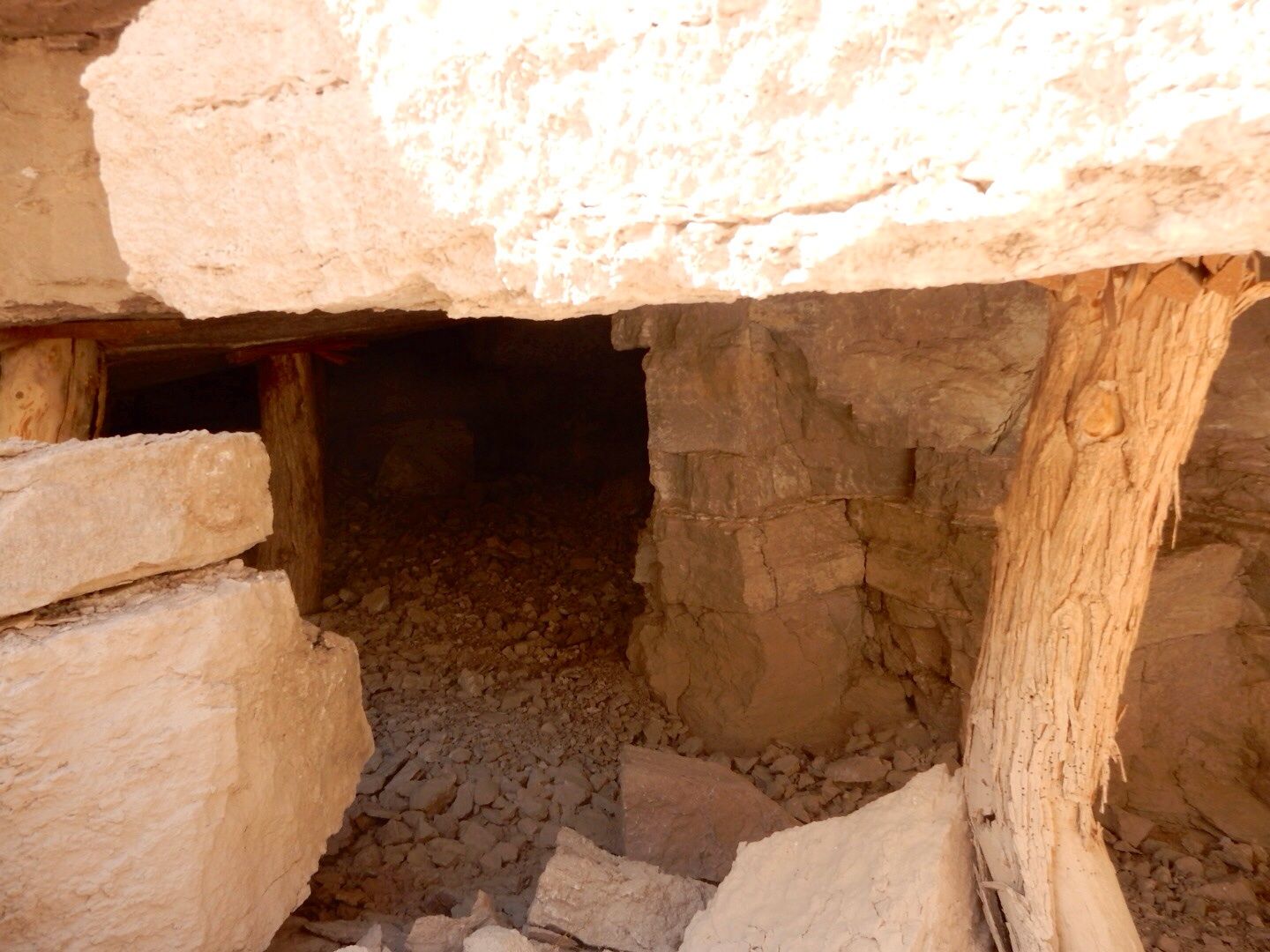
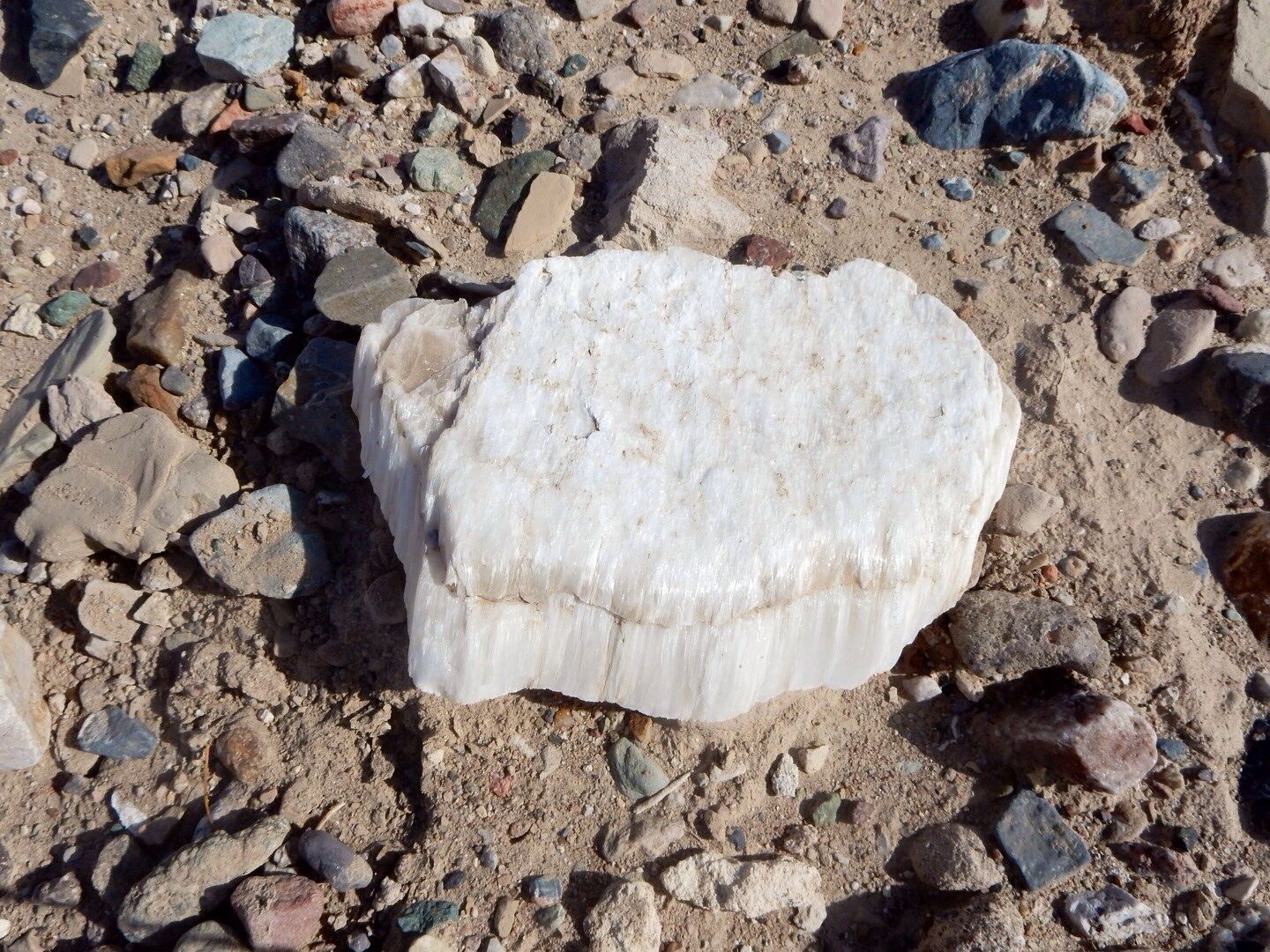
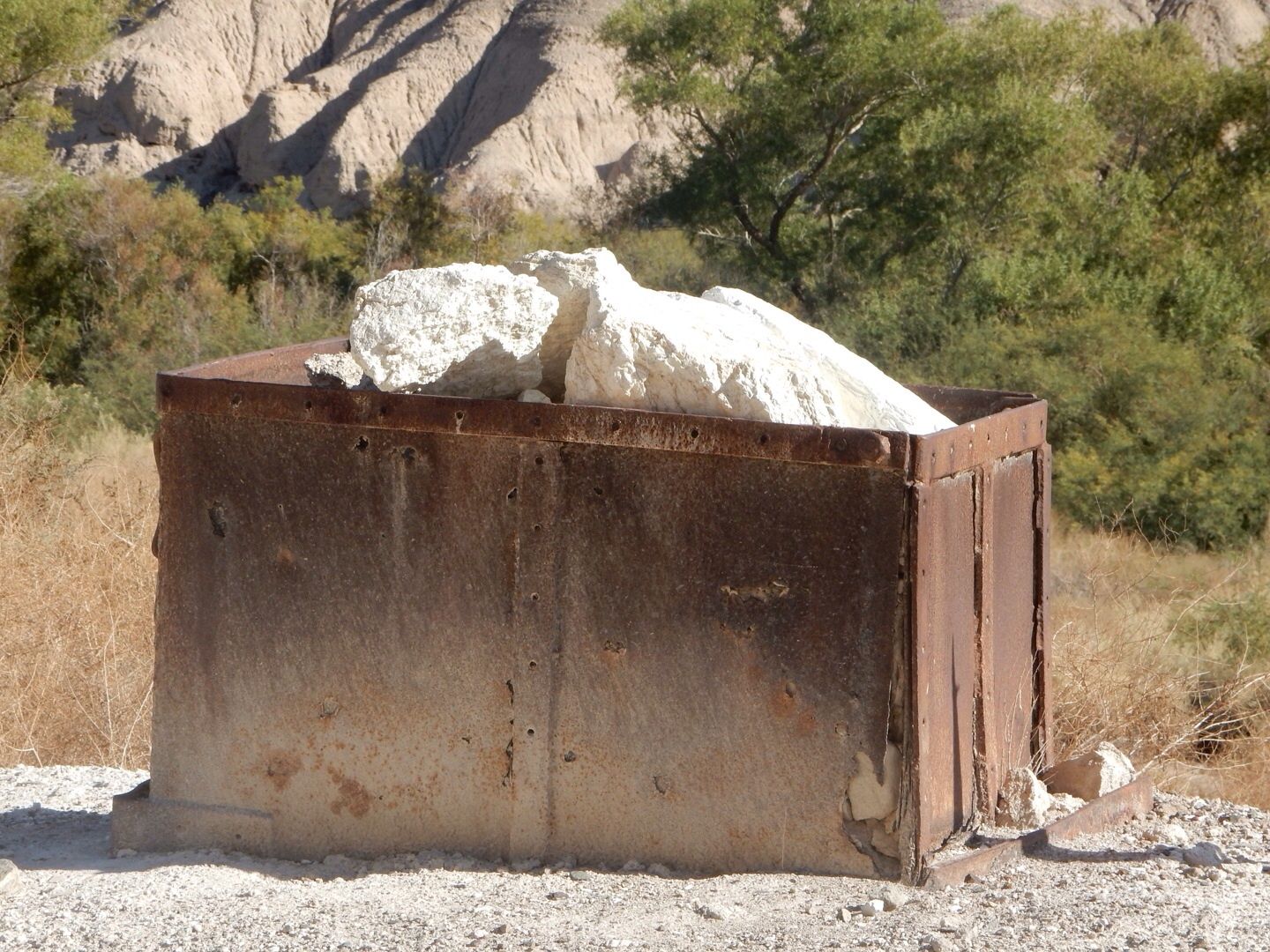
While driving through the canyon to the farm, we saw many abandoned mines. 100,000 tons of gypsum (used for plaster) were mined here by Gypsum Queen between 1915-1918. They closed when a cave-in killed two miners in 1918.
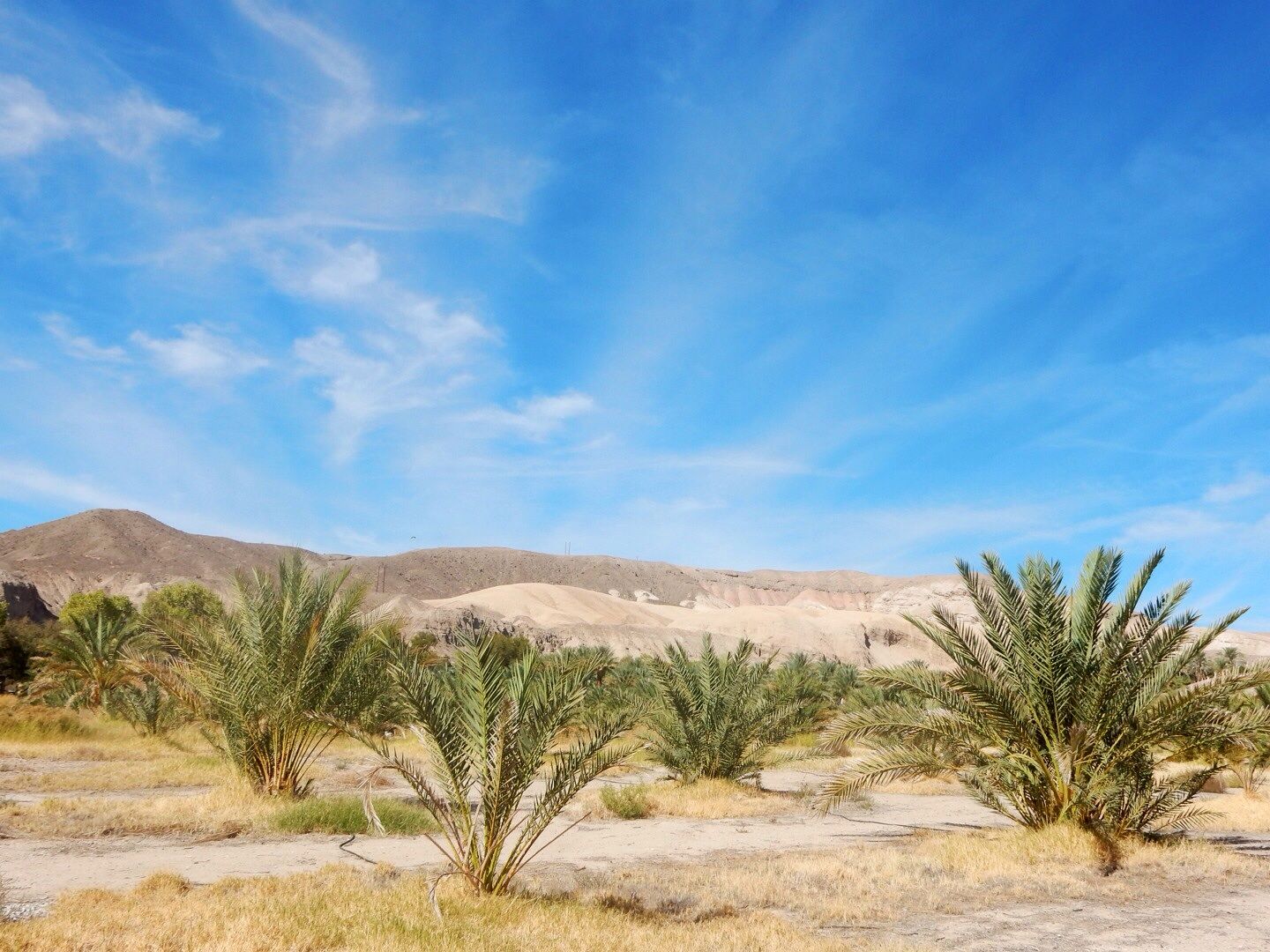
Dates are the oldest known cultivated tree crop dating back to at least 6,000 BC in Mesopotamia. Known as the tree of life in the Middle East, they are referenced in both the Bible and Koran. The original group of date palms were planted from seed in 1920. They flourished in the harsh climate and are the tallest trees in the grove today. The current owners began acquiring female date trees of old world varieties and propagated the best dates from the old seedling grove.
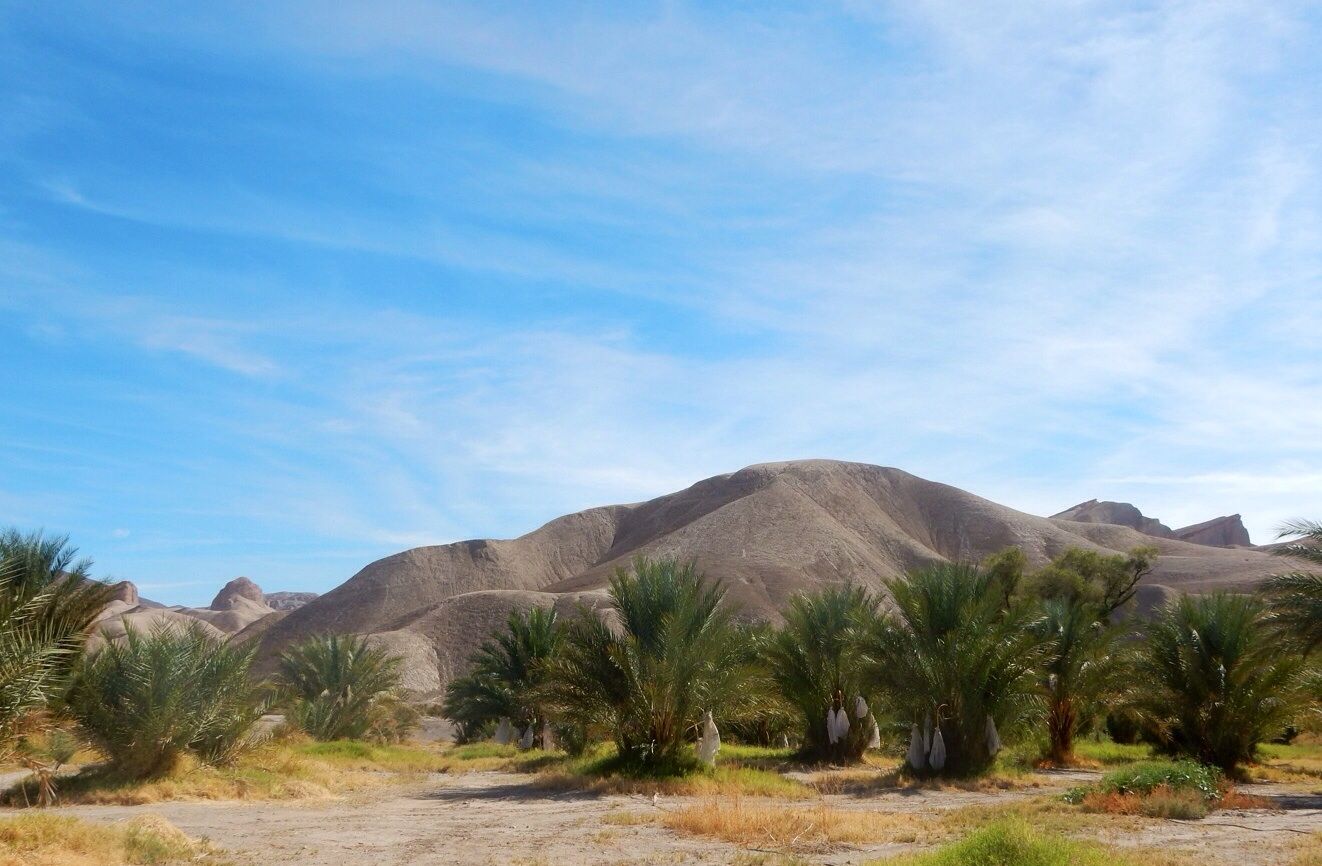
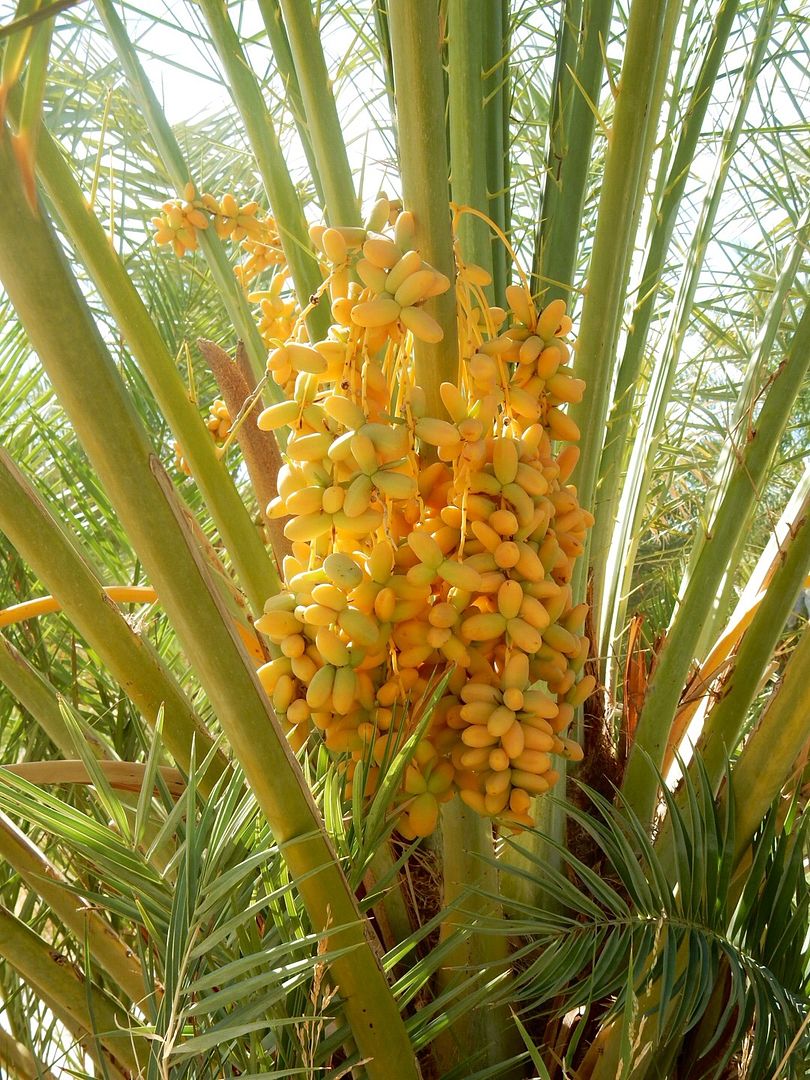
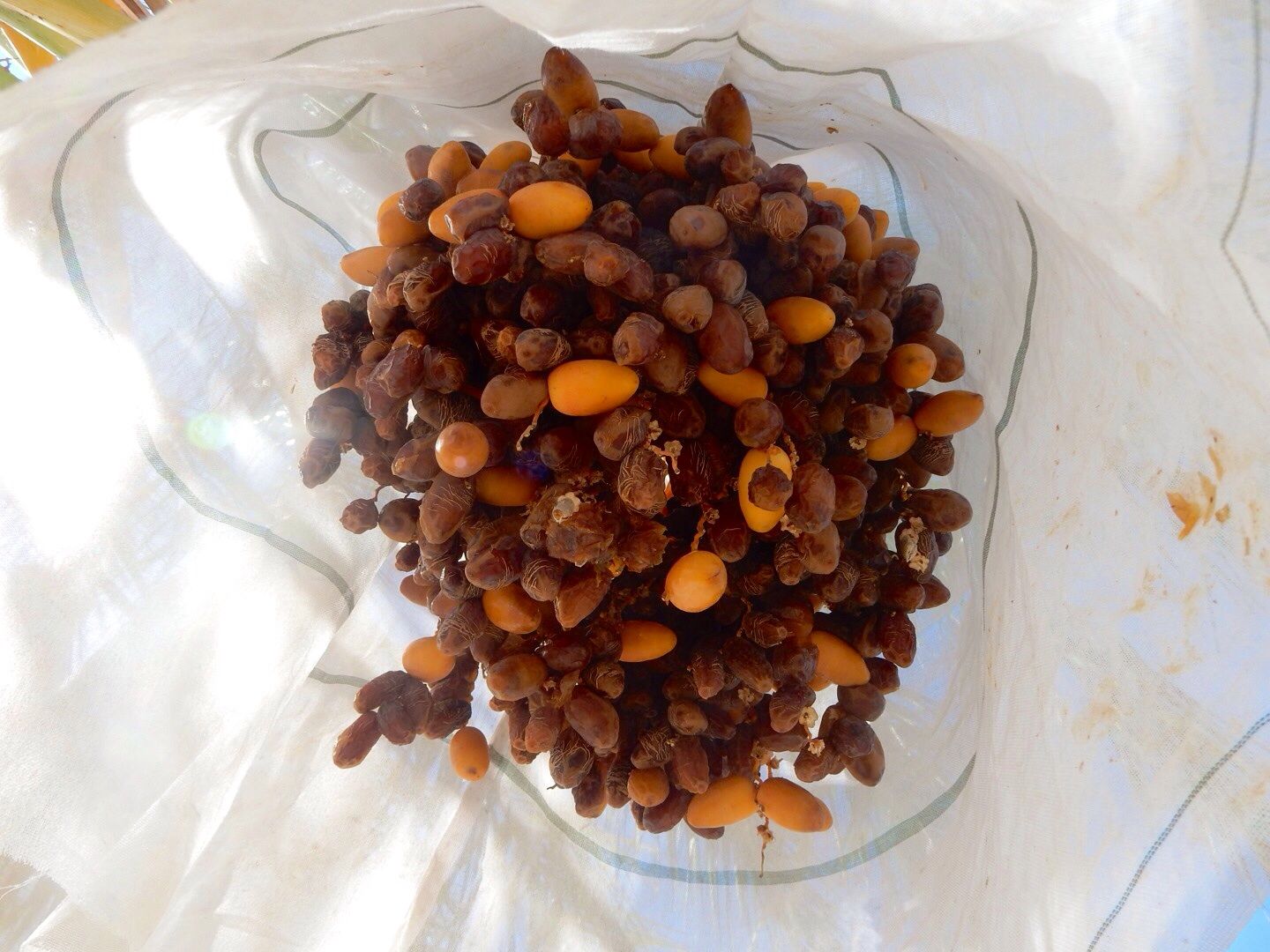
As the dates ripen, a bag is placed over them until they are deemed ready for harvesting.
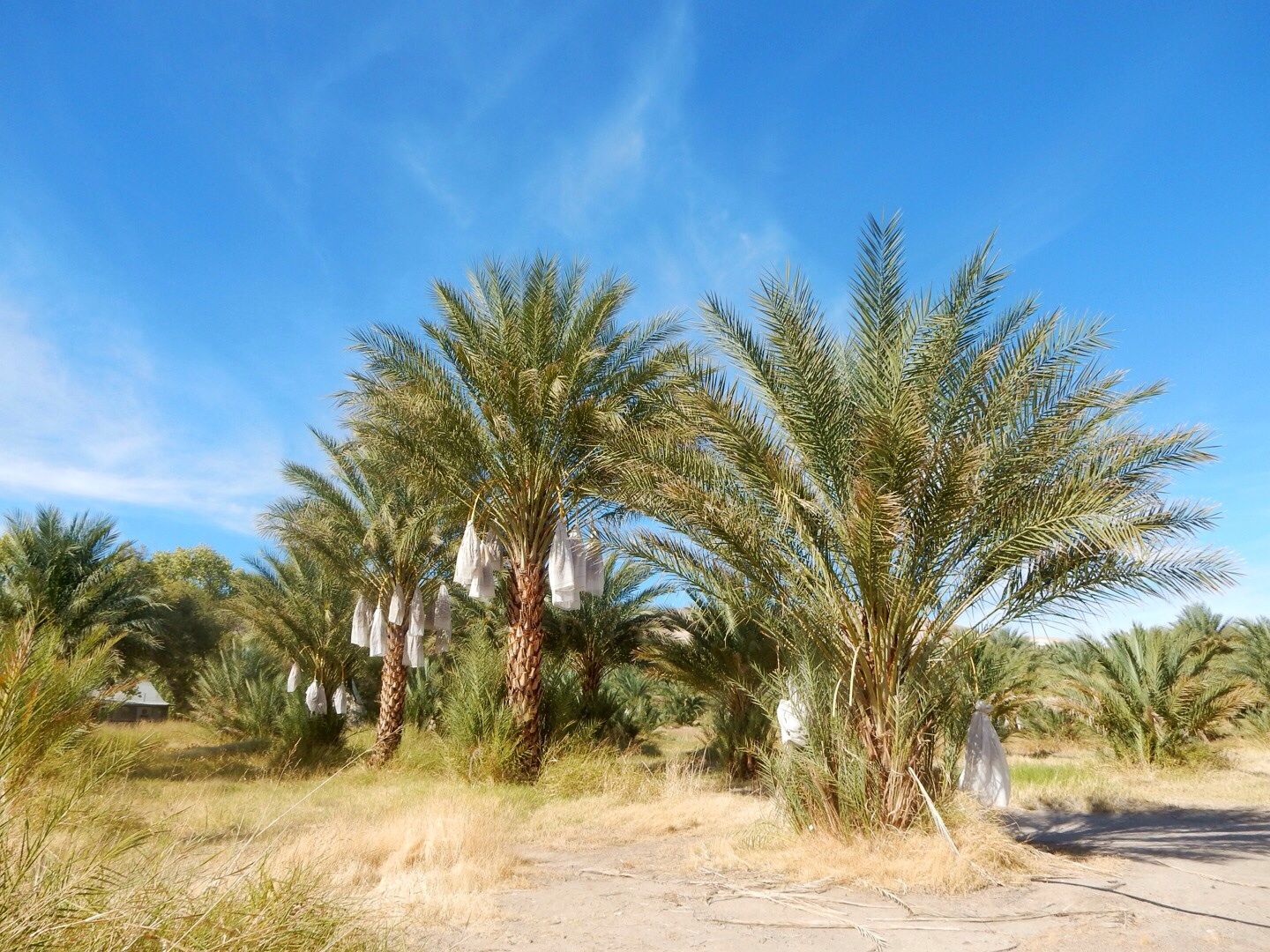
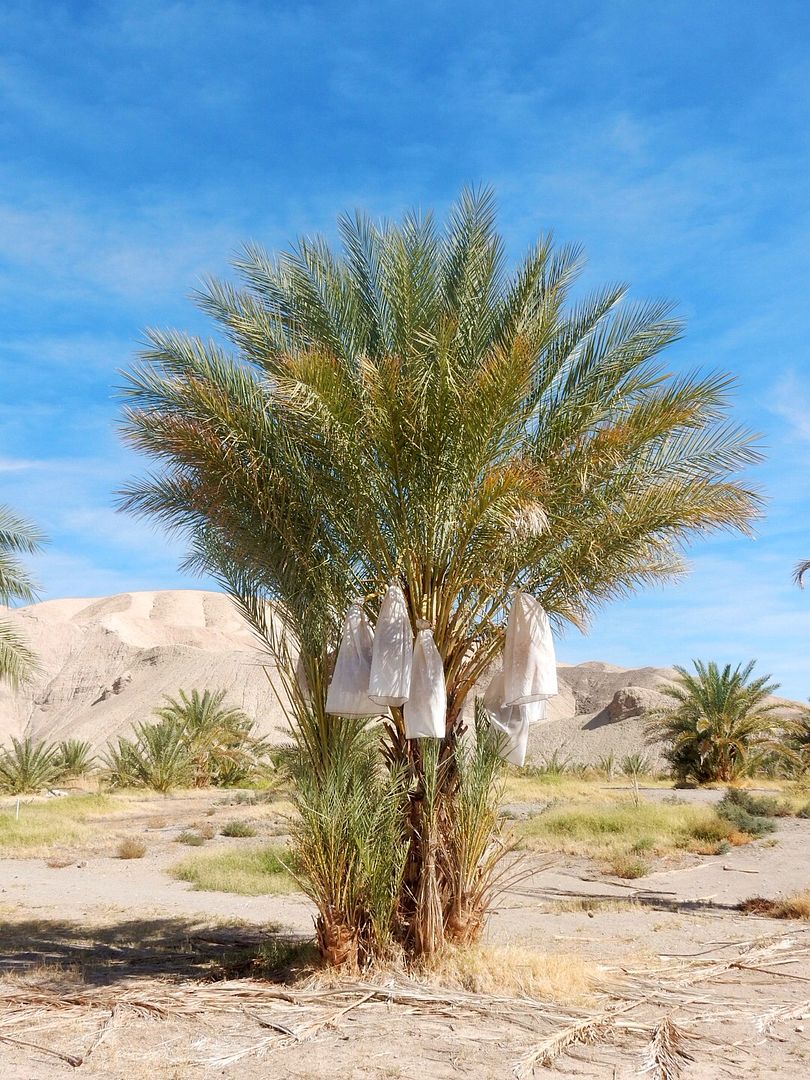
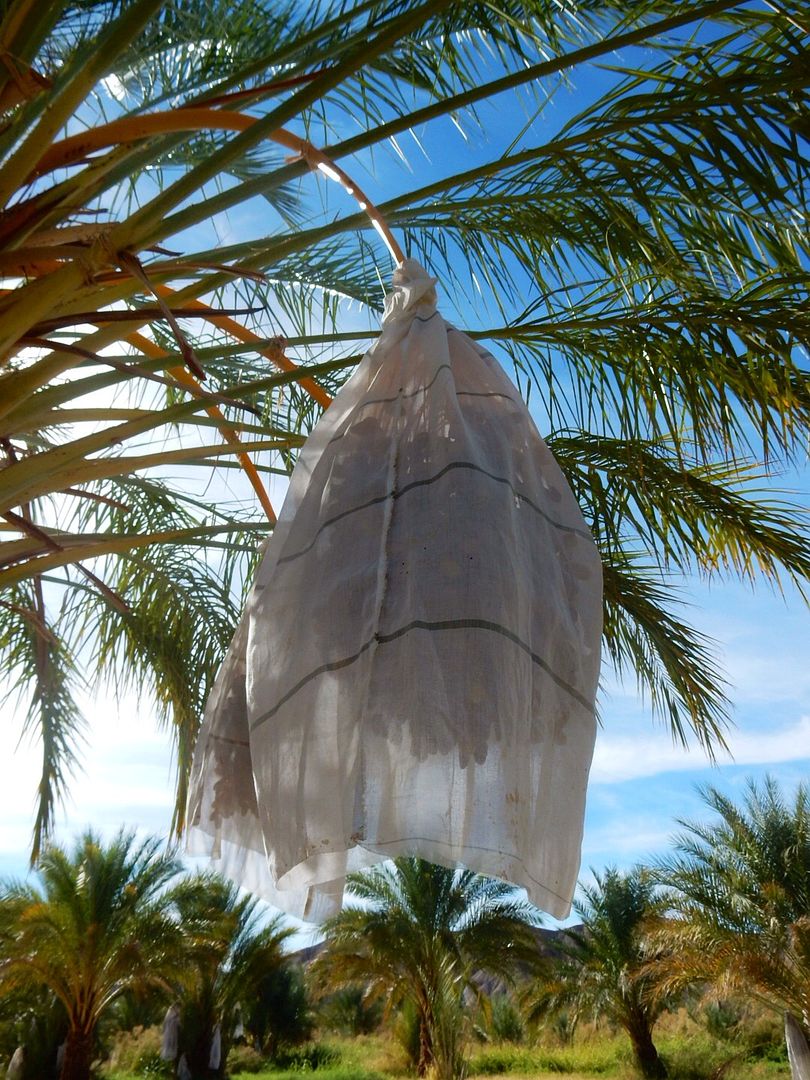
A peek inside the covered dates.
There is a wide variety of dates to sample and purchase at the Gift and Bakery Shop. They also make date nut breads, muffins, and milk shakes that are reportedly very delicious (we didn't have one!). We bought some bread and a bag of honey dates. They will last for months in the refrigerator and can be frozen as well. Actually, they are very good. (I don't think I ever ate a date before!)
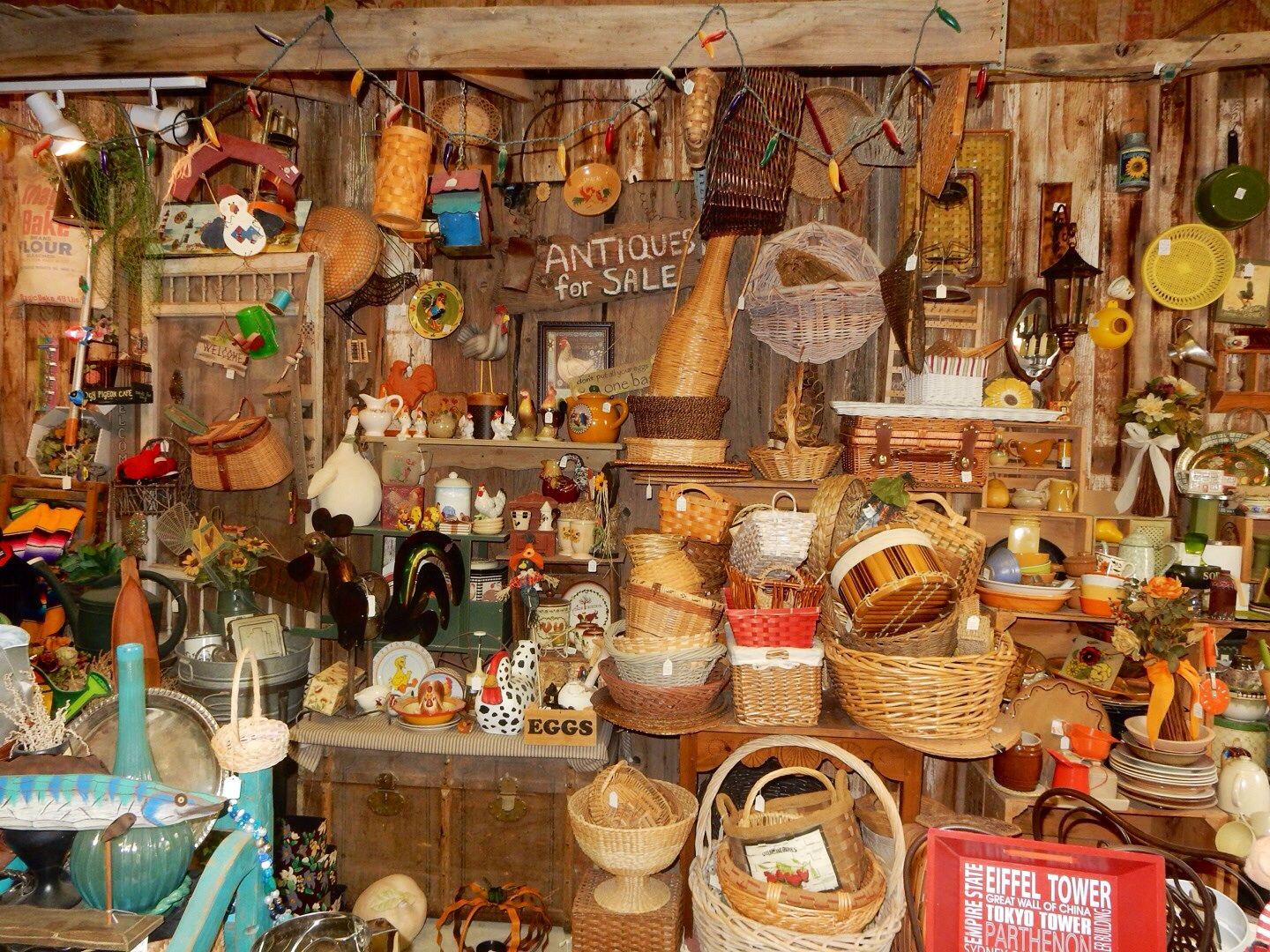
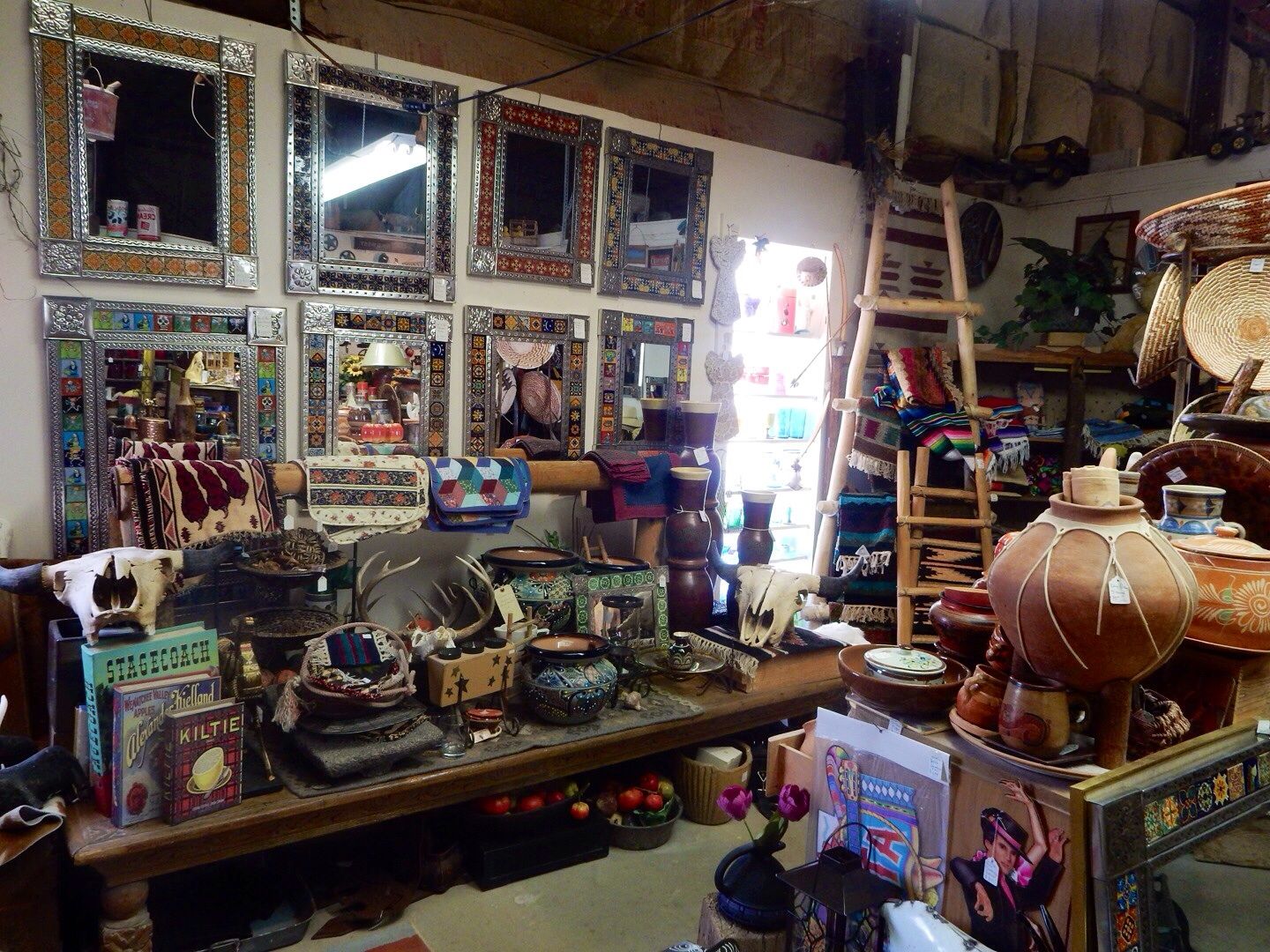
There is also an expansive (and somewhat strange) array of gifts in the shop for purchase.
There are six trails available for hiking on the farm. They range in distance from 200 yards to 4 miles. We hiked two of them and really enjoyed this aspect of our visit. Be sure to pick up the China Ranch History and Trail Guide in the Gift Shop before venturing out. The trails are not that well marked, but the Guide provides information about each as well as a map on the back page.
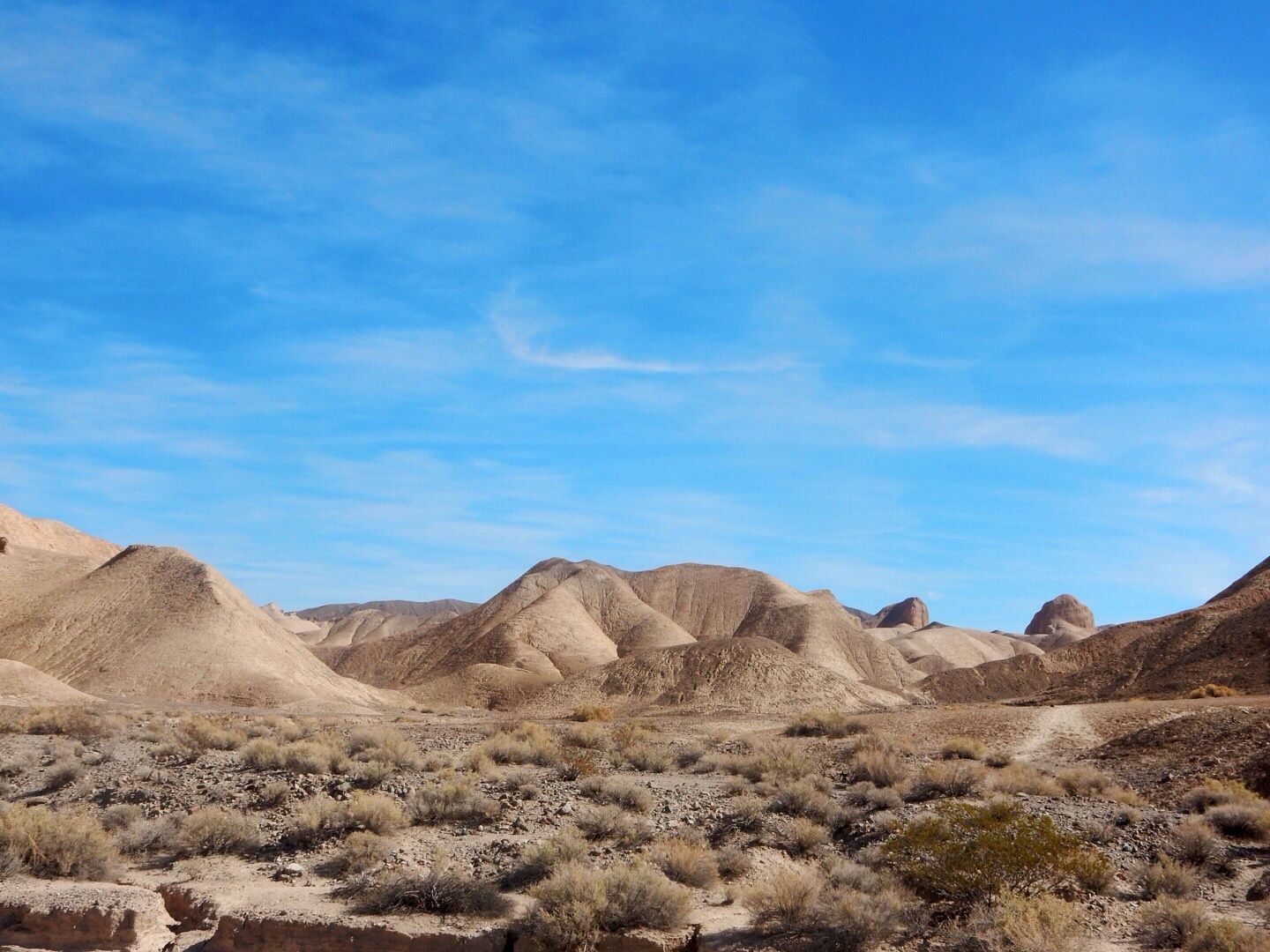
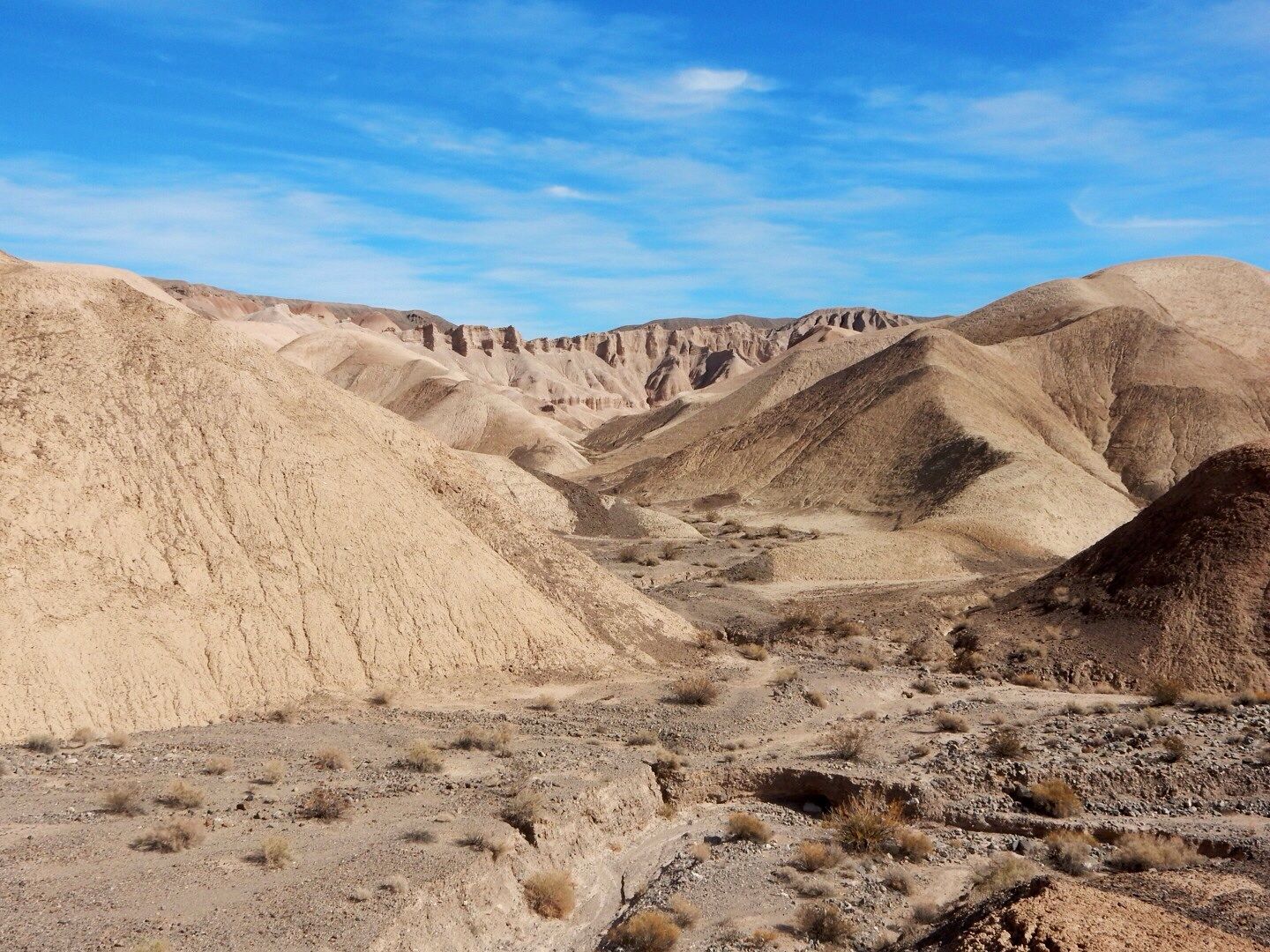
Badlands Trail: This is an easy 1.5 trail beginning behind the gift shop. After walking through the grove, we came upon this scene.
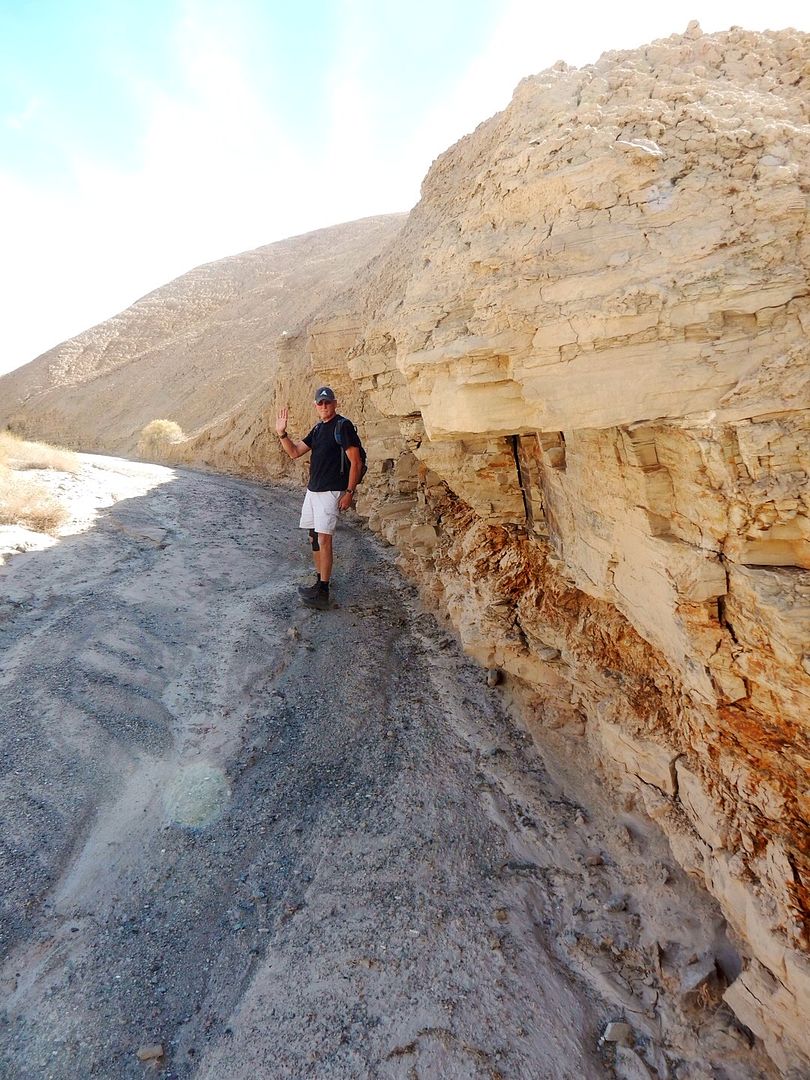
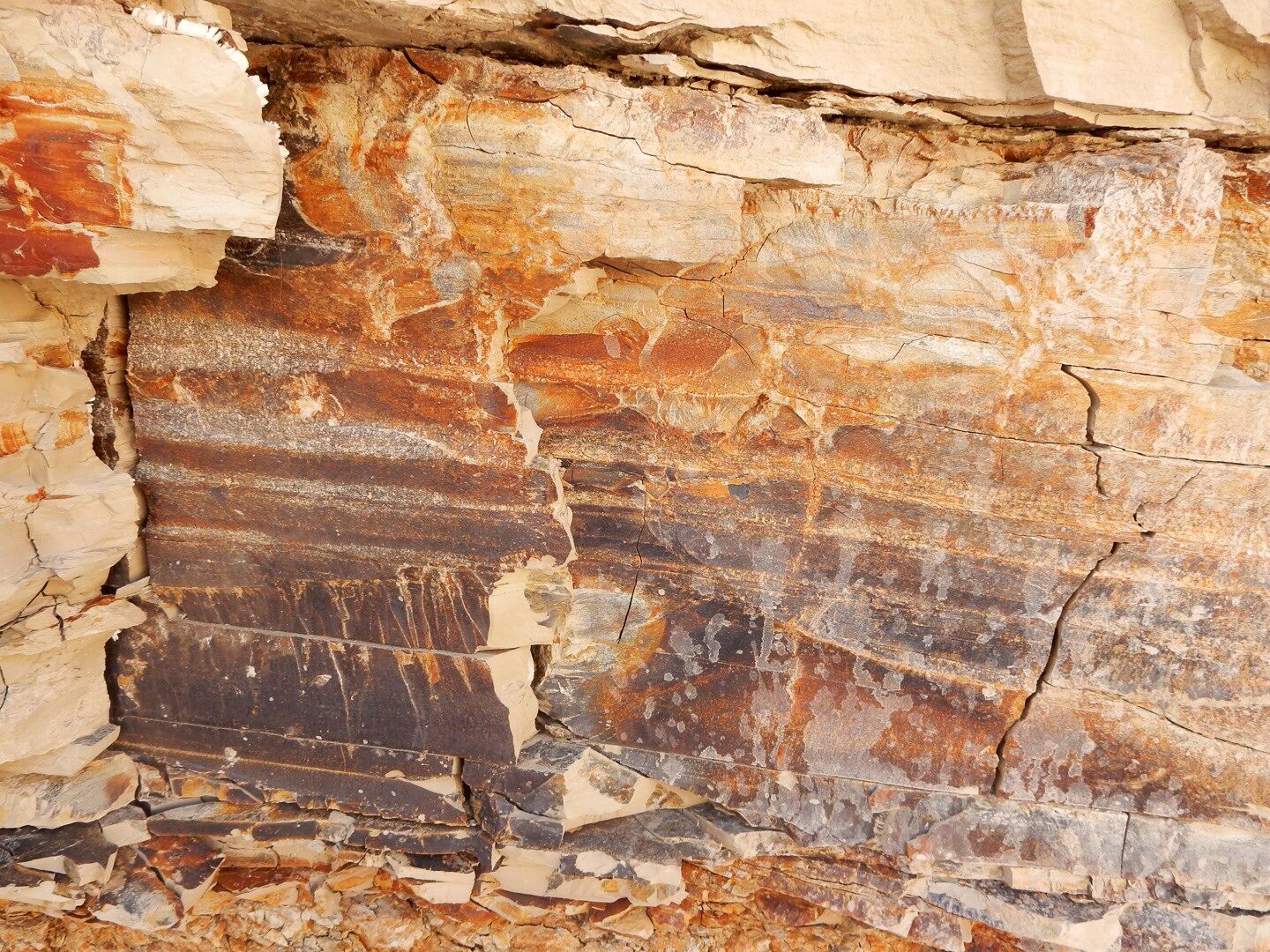
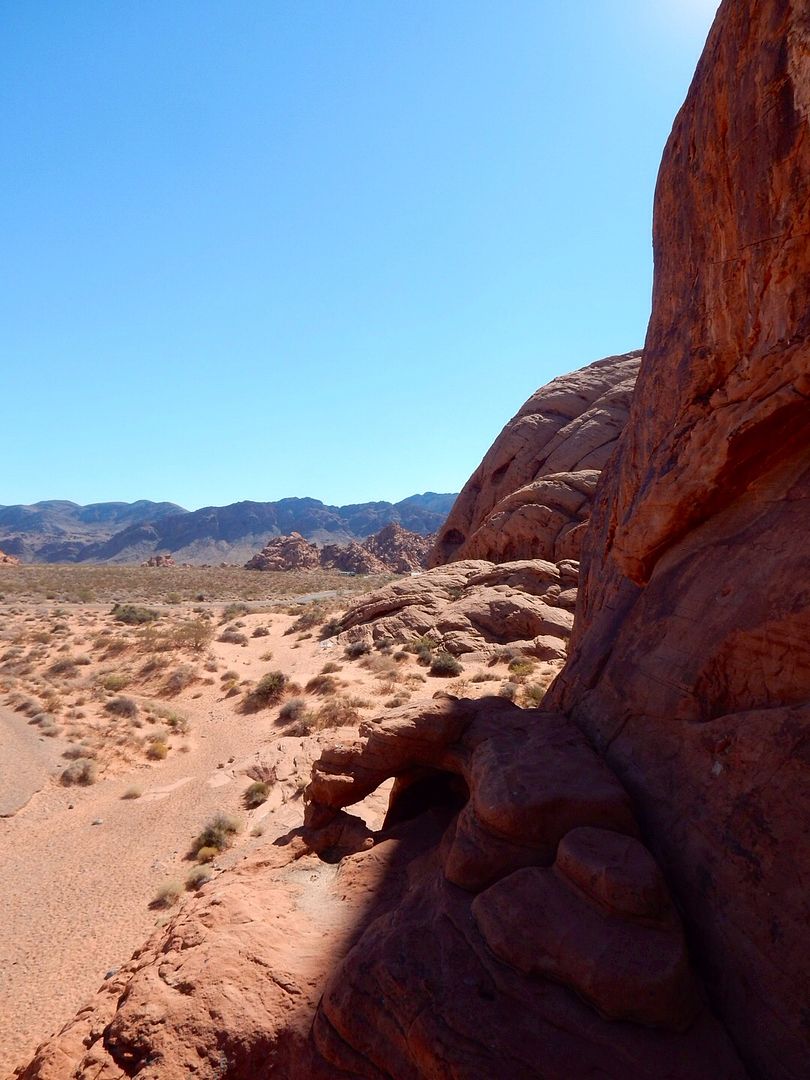
We climbed up to a steep ridge where there were beautiful views of the surrounding areas.
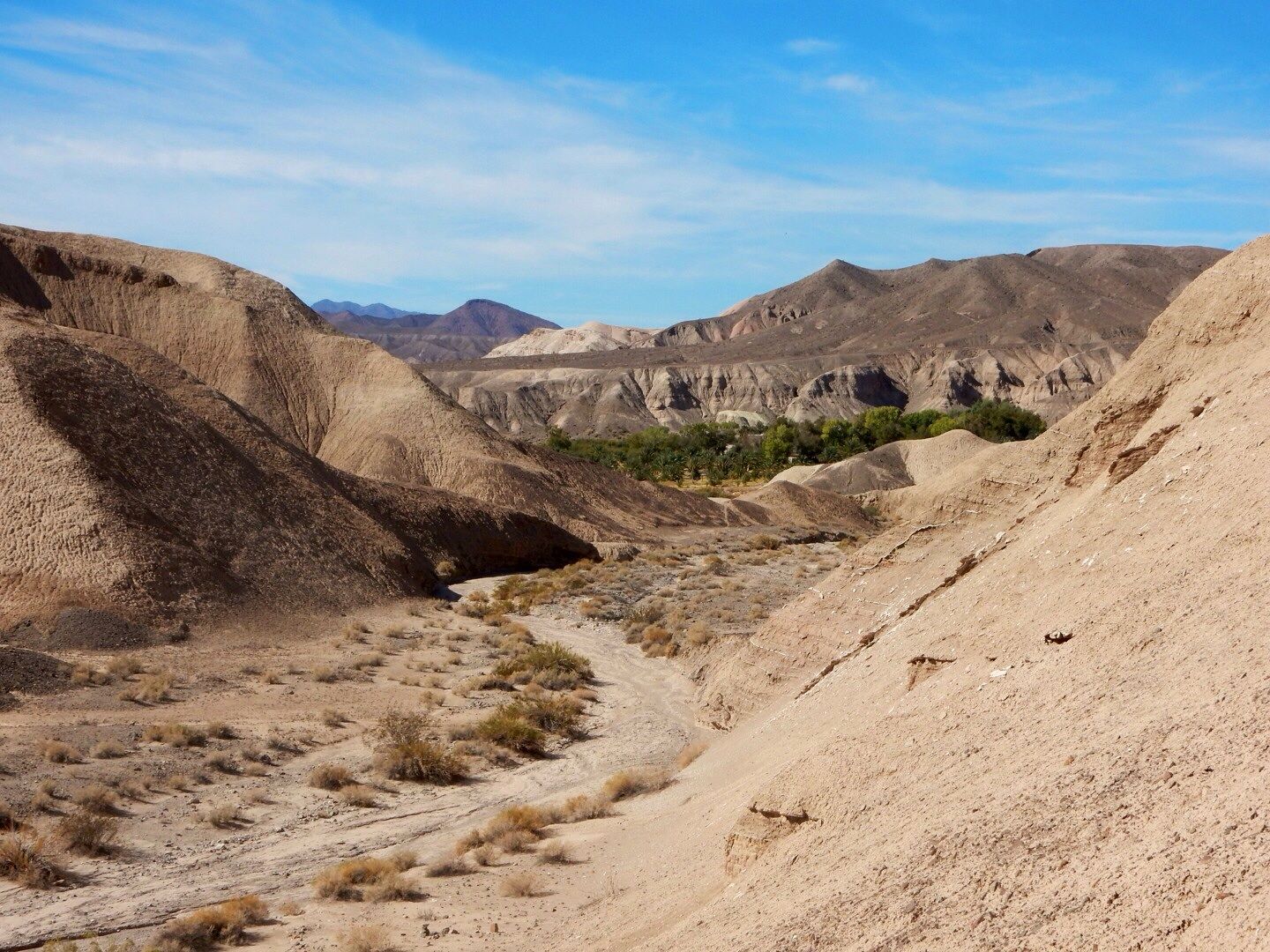
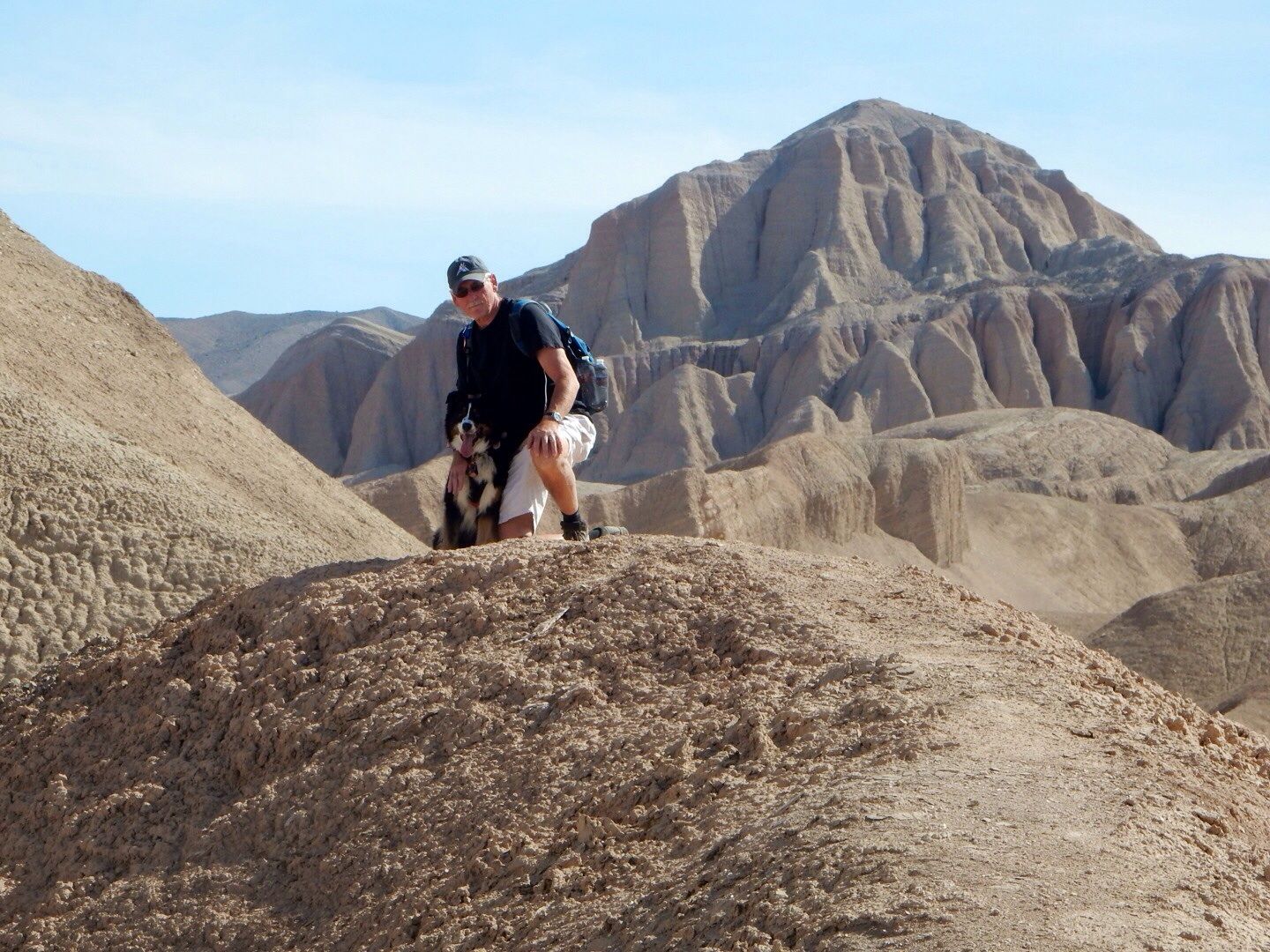
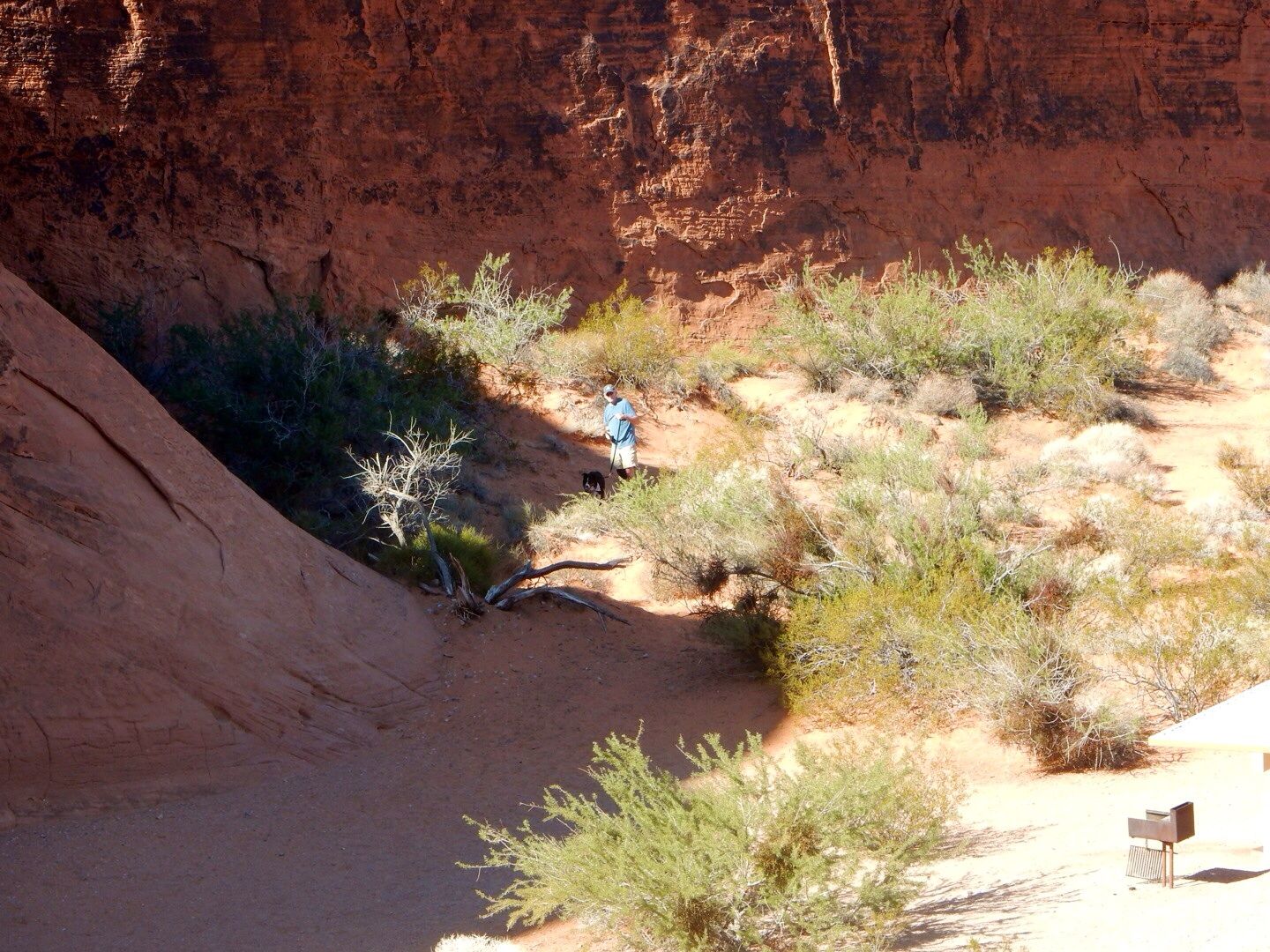
Sadie (our doggy) had a fabulous time exploring the area, running back and forth on the trail and exploring the surrounding terrain.
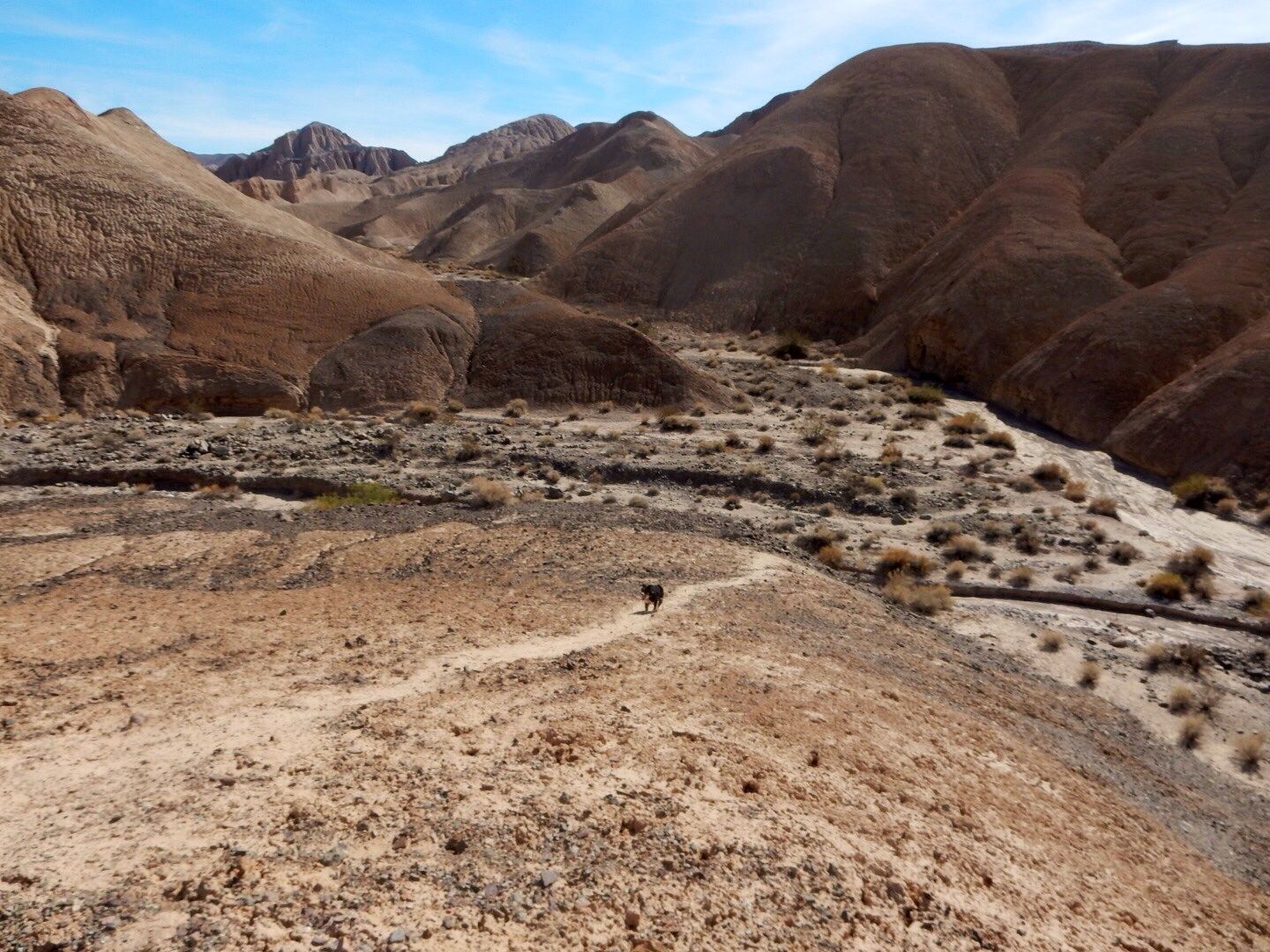
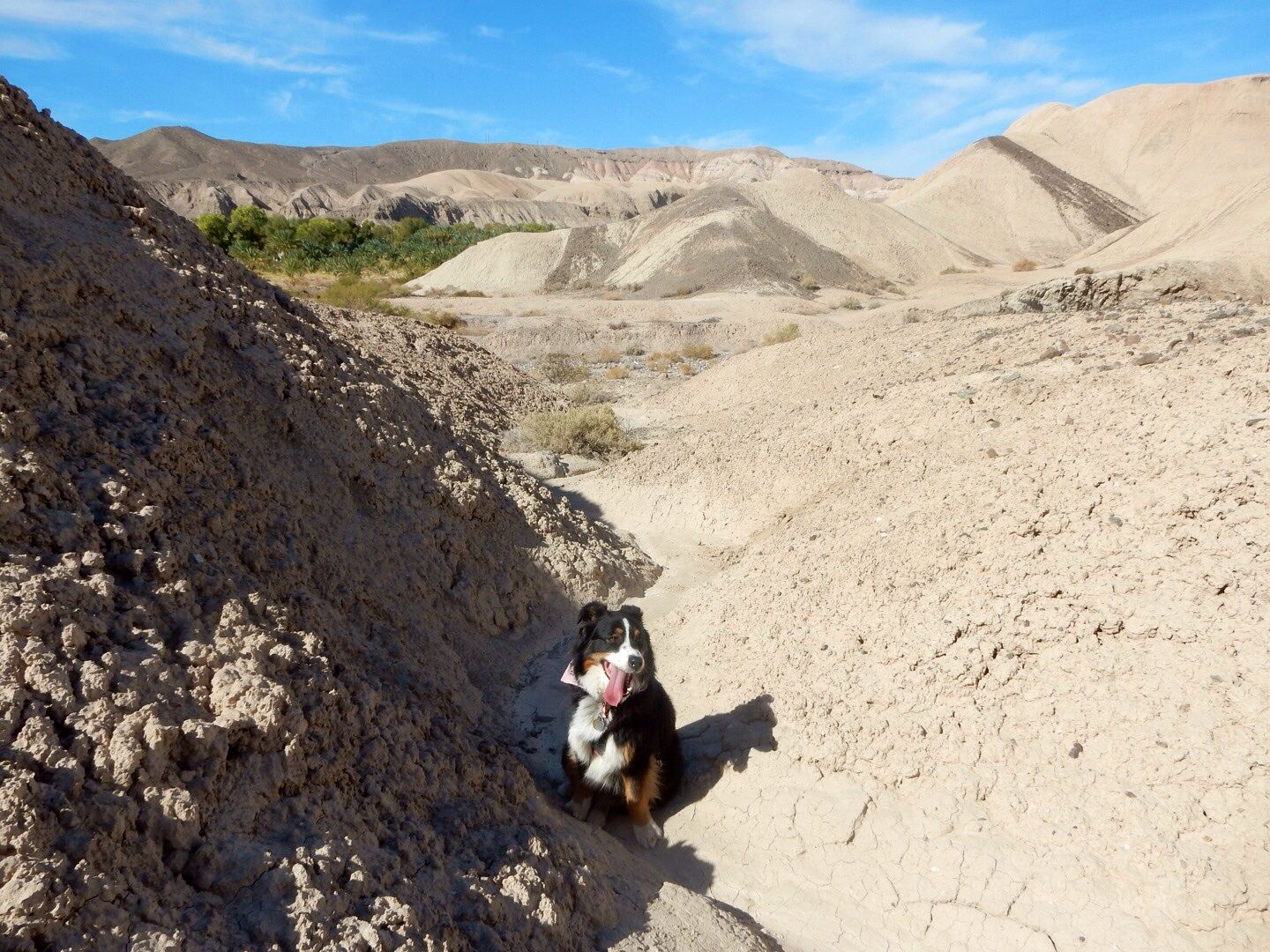
We also explored some of the side canyons along the way.
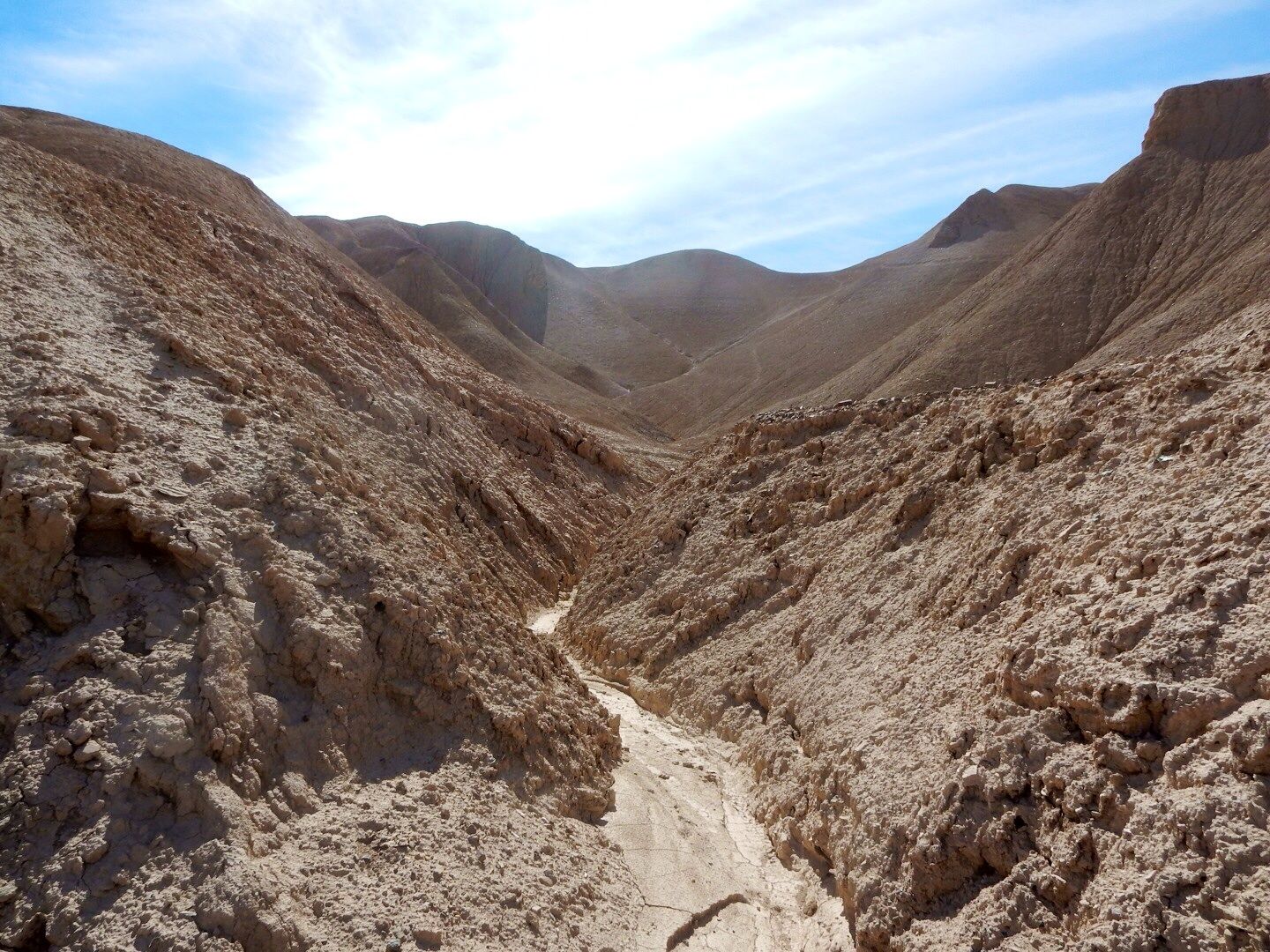
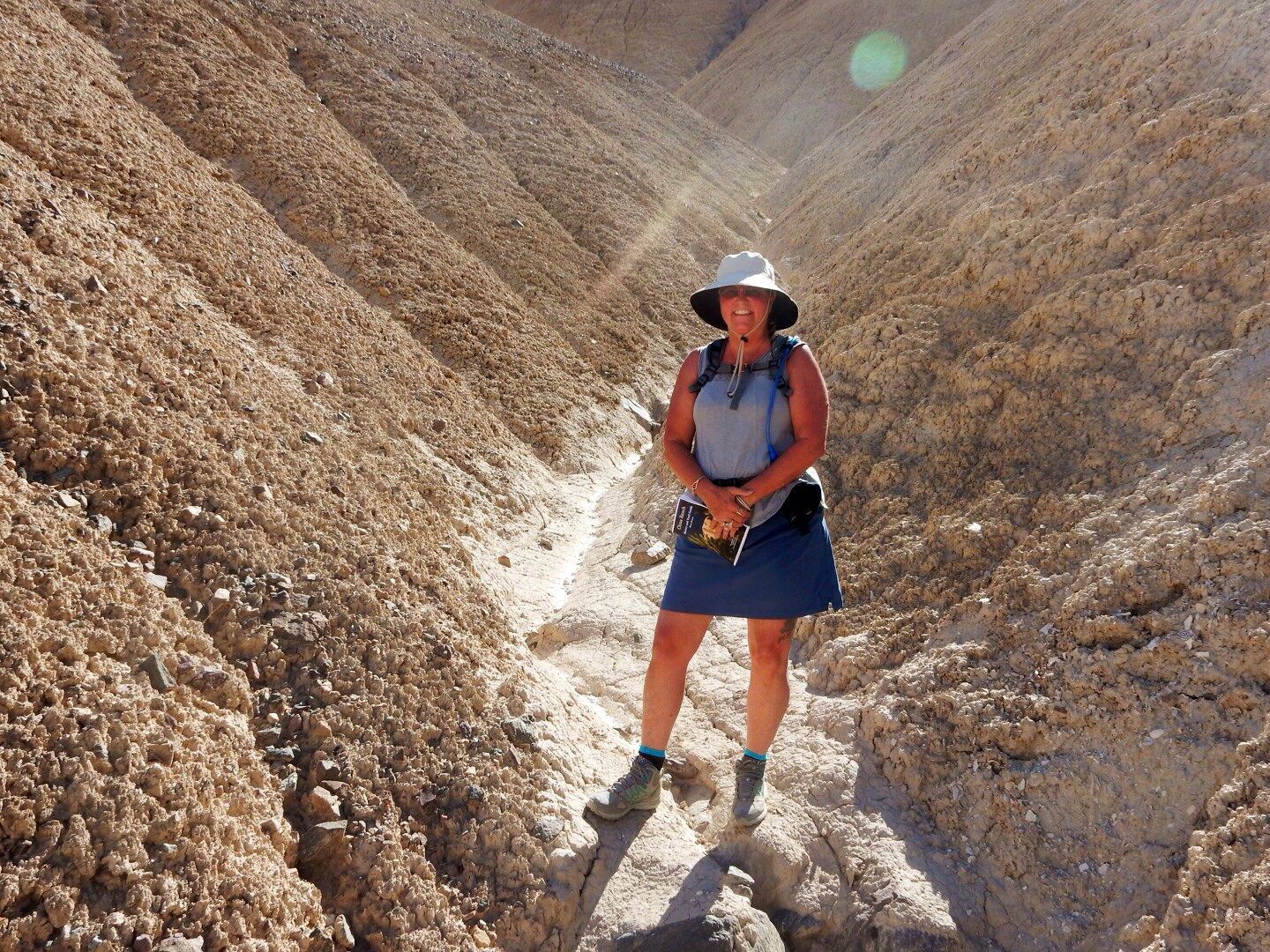
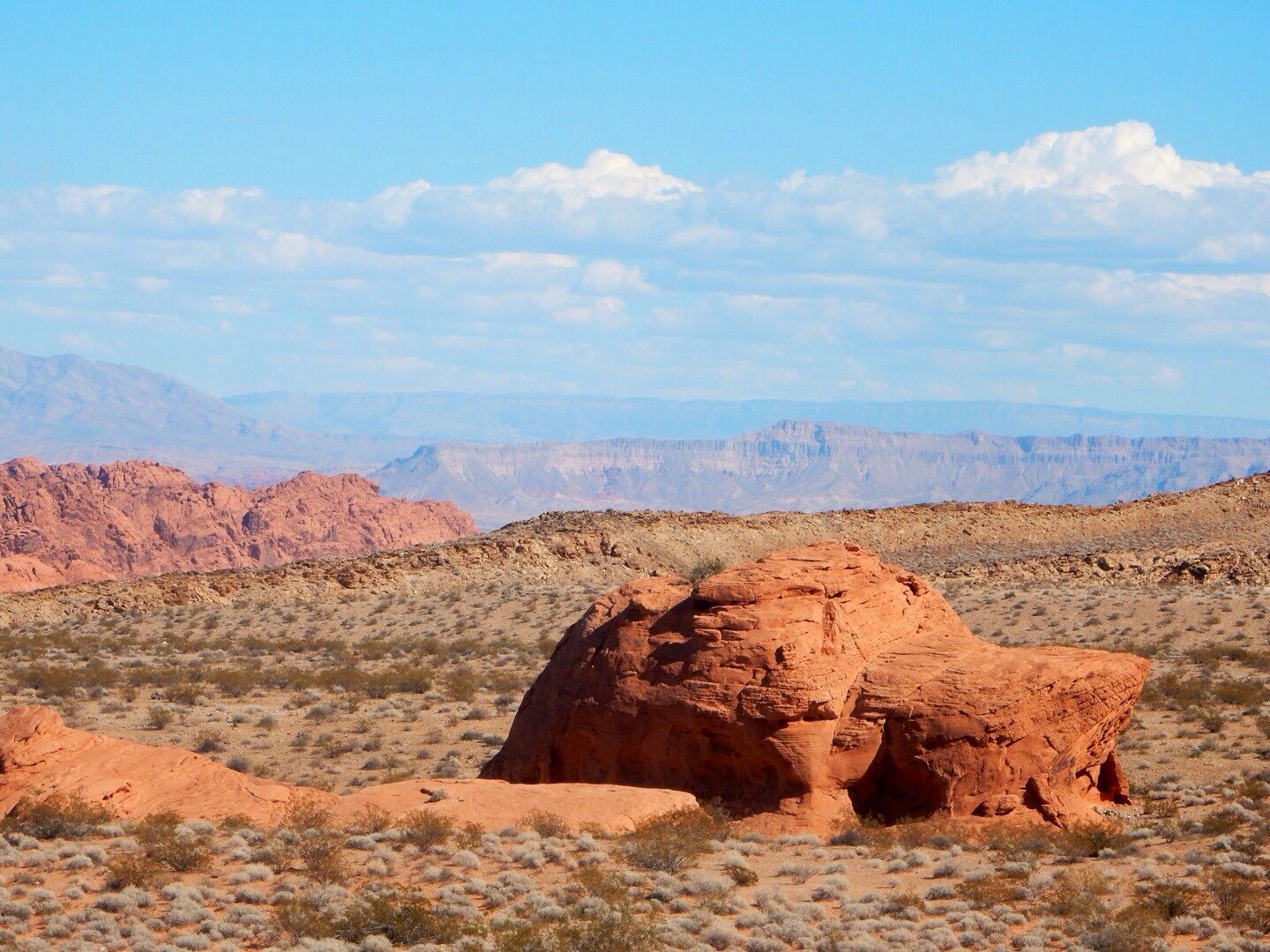
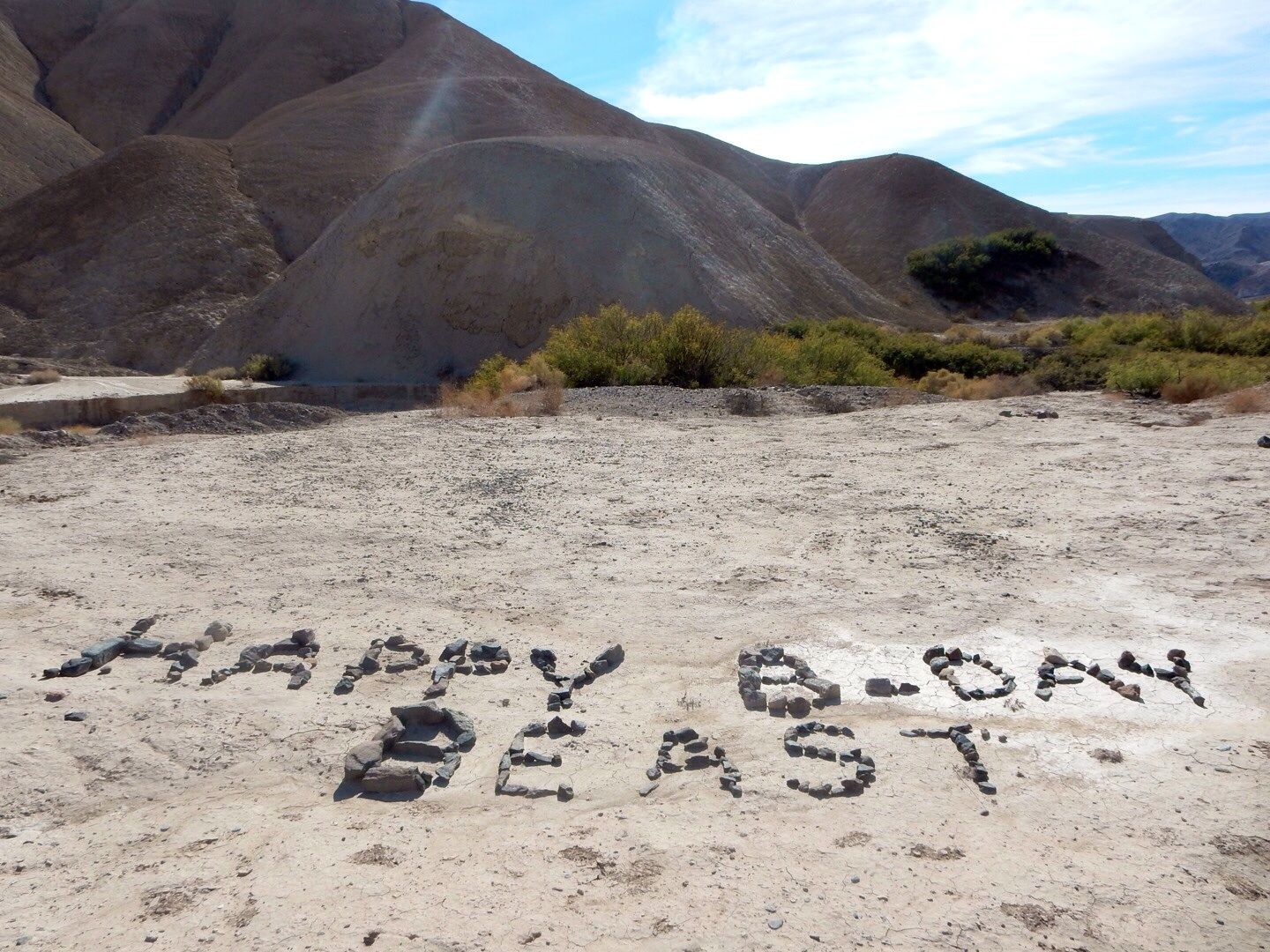
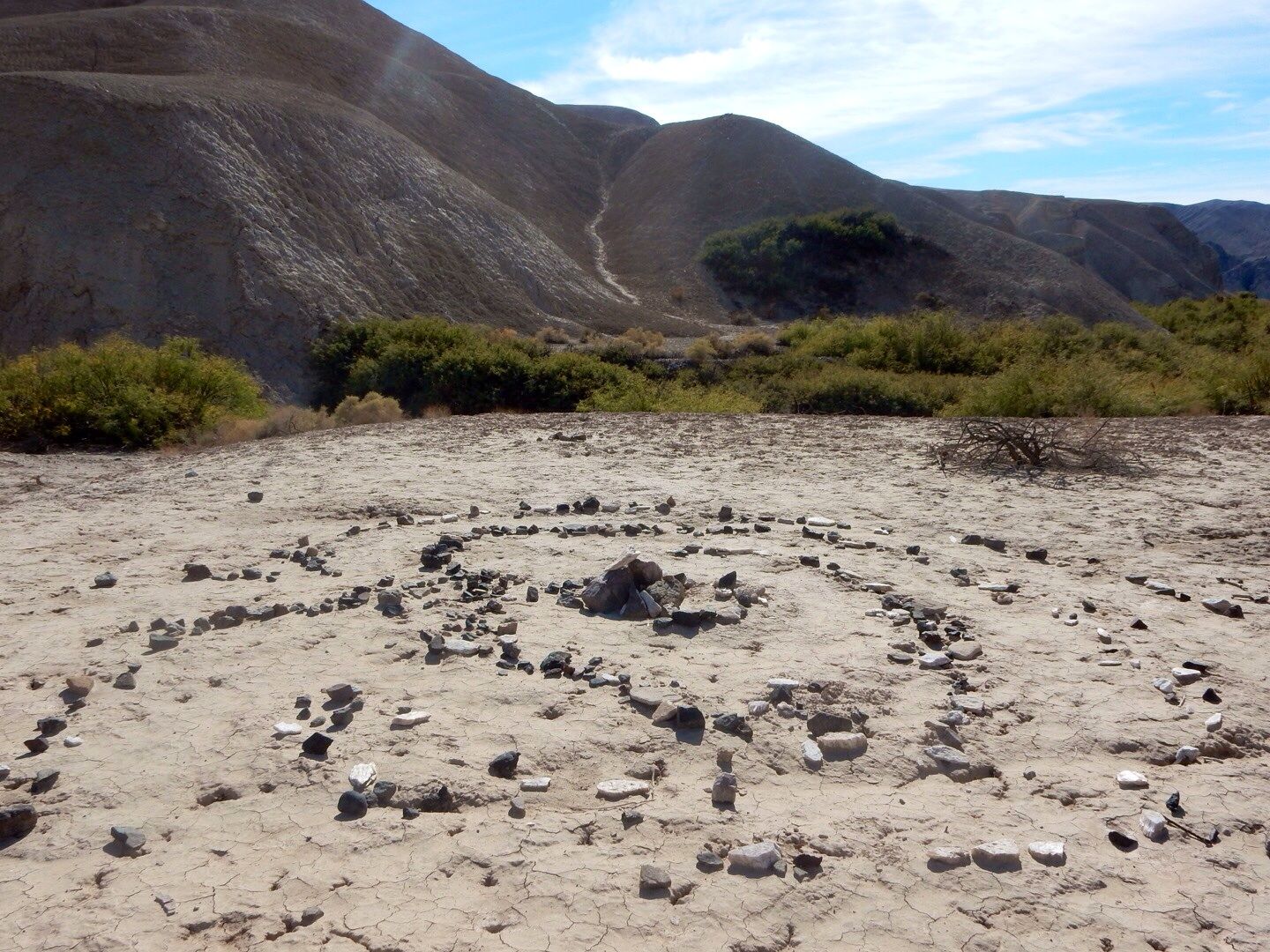
Some interesting (man-made) rock formations seen along the way.
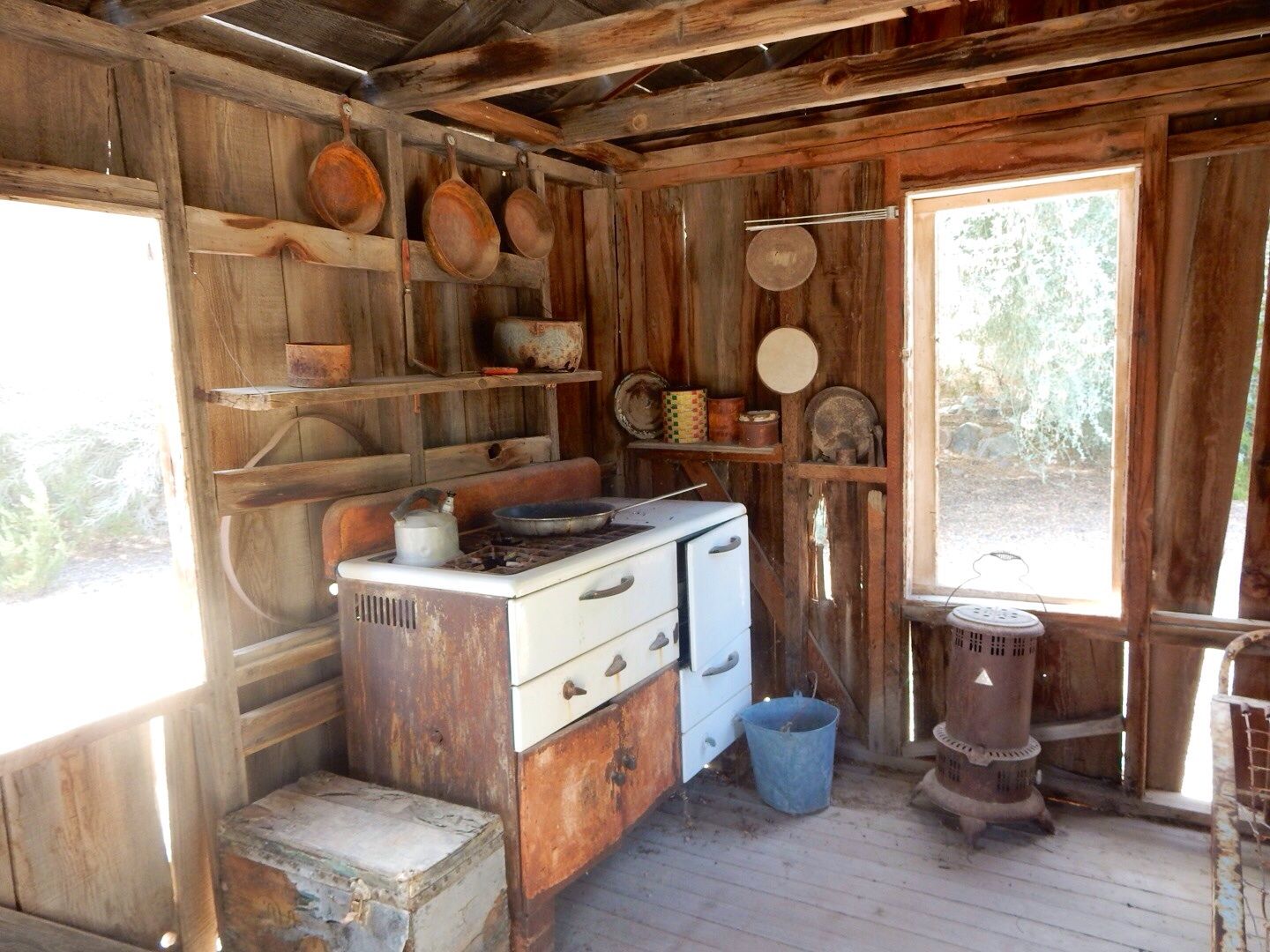
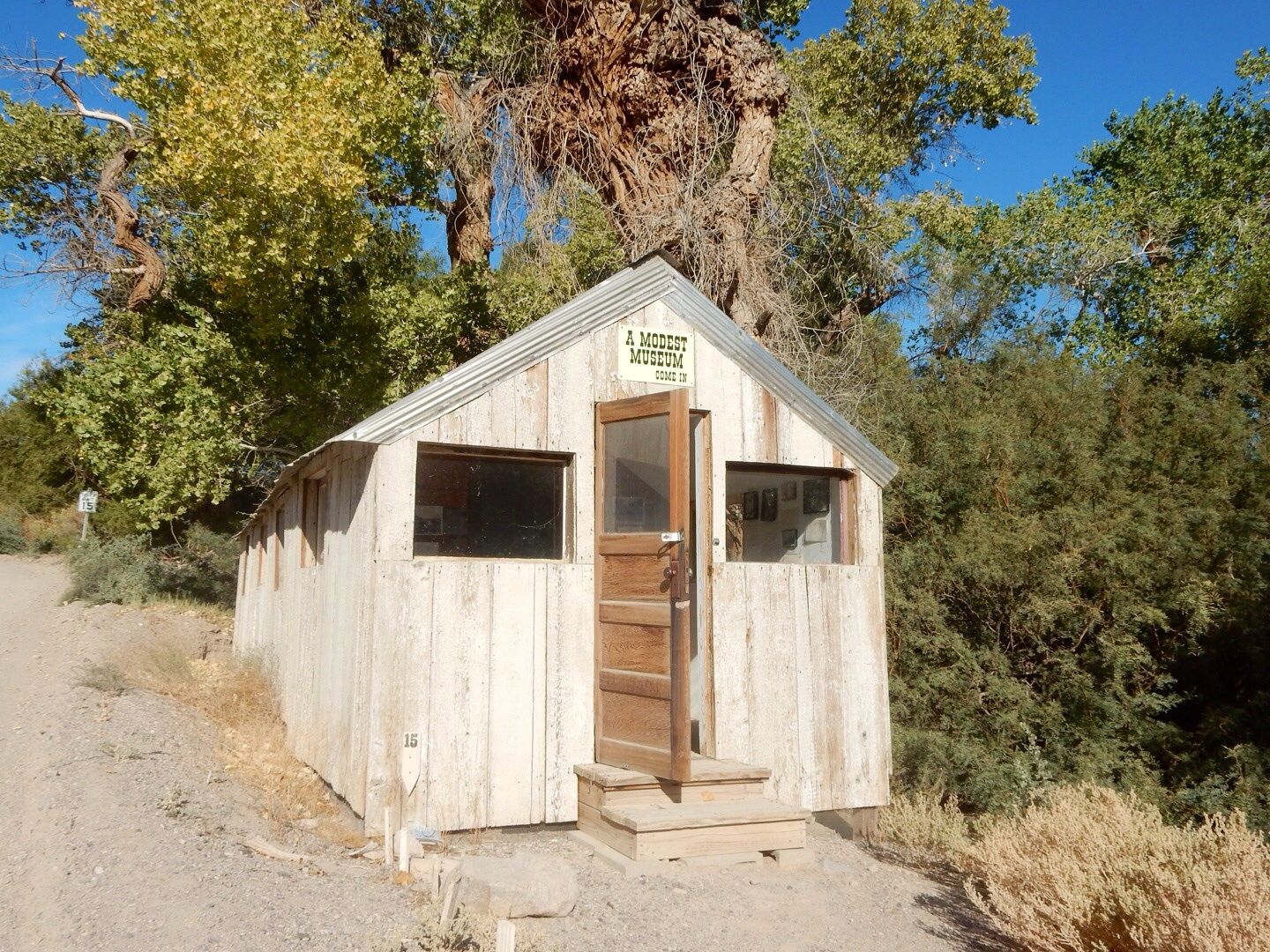
We returned to the Gift and Bakery Shop and ate our lunch in a picnic area. We checked out some of the other displays in the area including this miner's cabin.
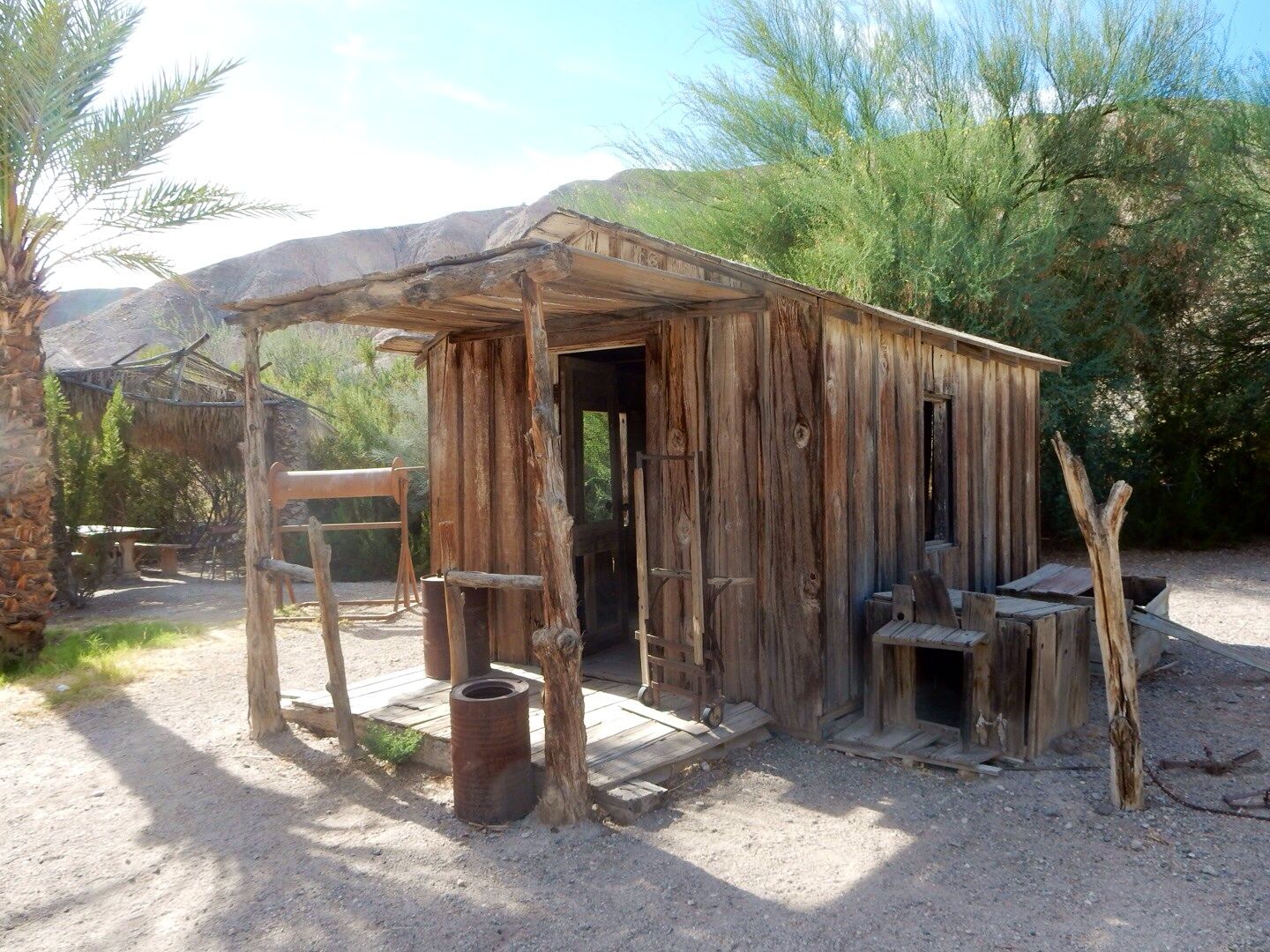
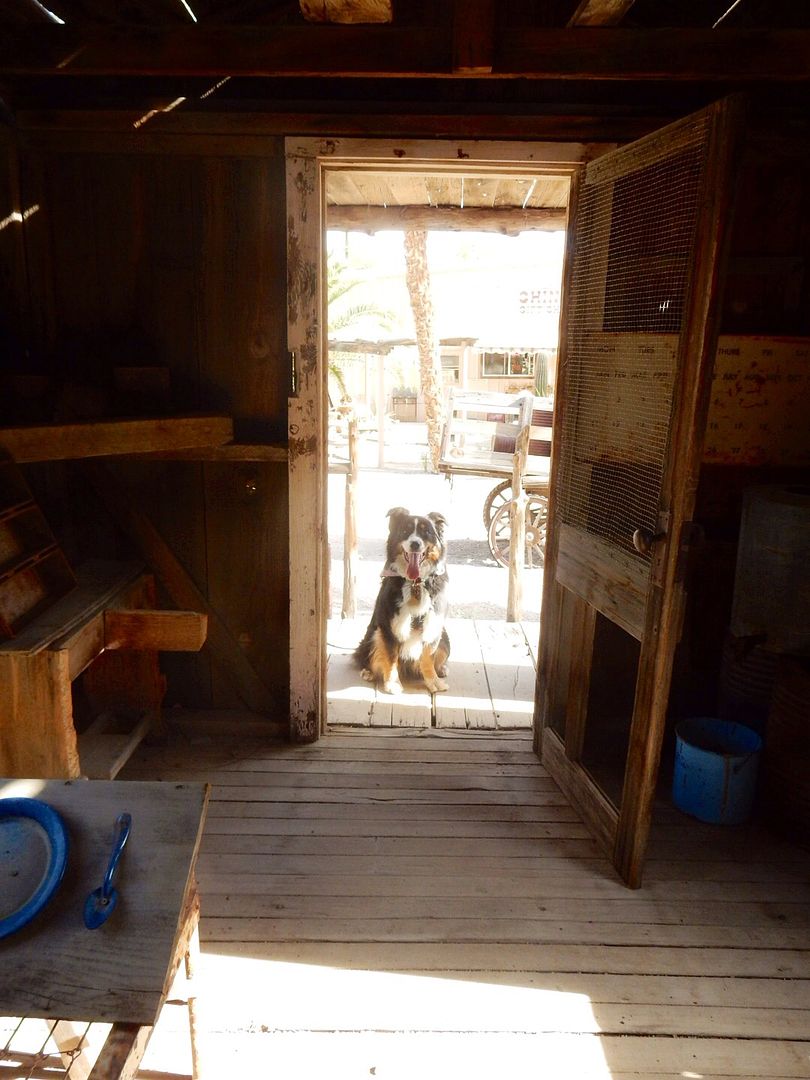
Sadie says, "May I come in?
A Modest Museum (very modest!)
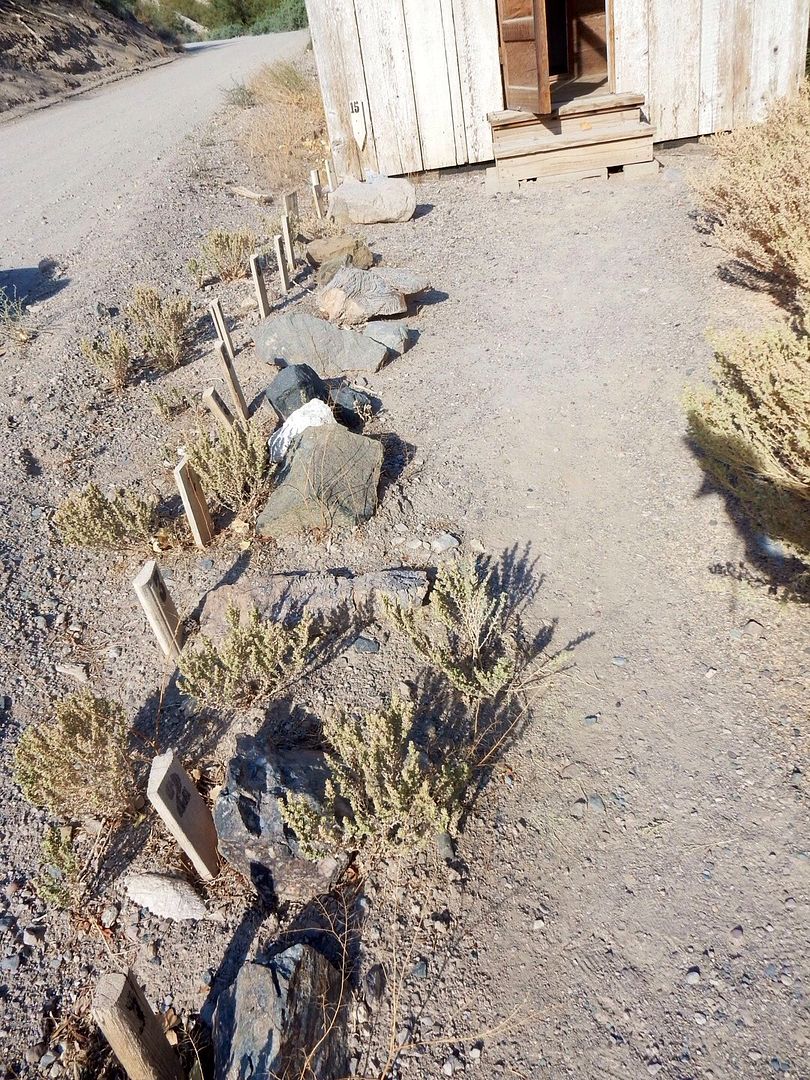
A few Native American and mining artifacts, historical photos, and information about the farm and surrounding area. Plus there is a rock display along the sidewalk with a brochure inside that identifies each.
Finally, we explored the Creek Trail that is only about 200 yards and is also behind the Gift and Bakery Shop...turning left at the creek. Of course, this source of water is the sole reason that this area became a farm.
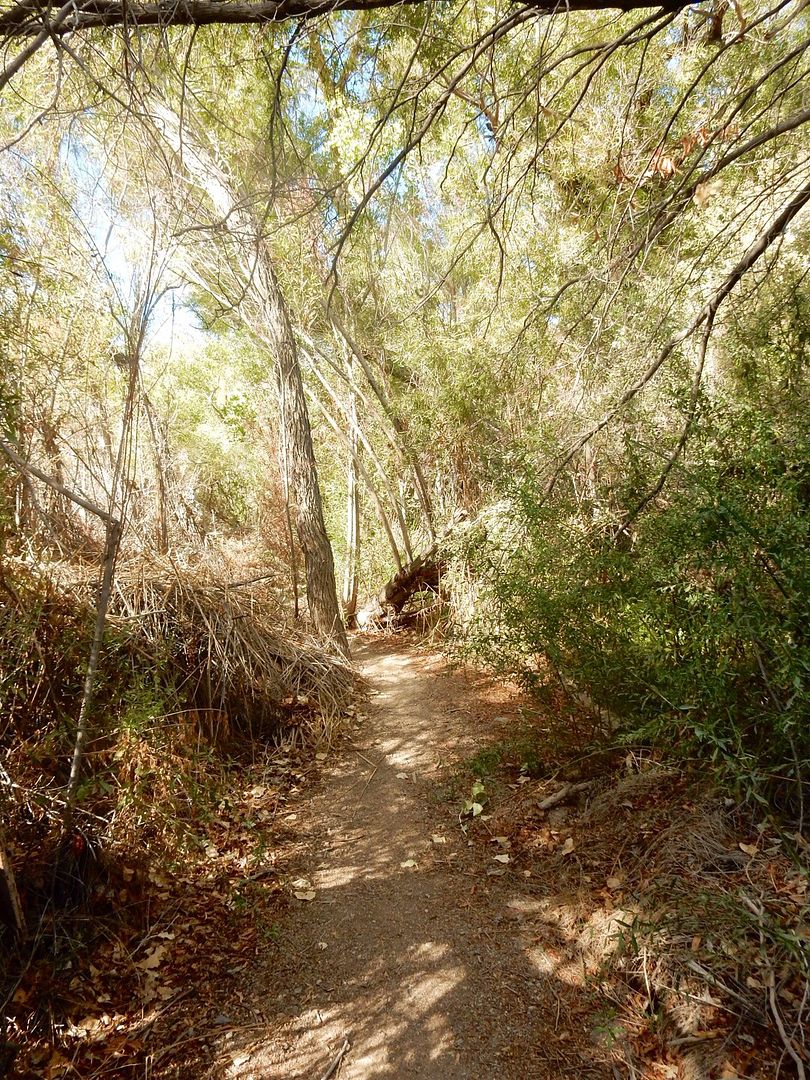
After hiking in the desert, it's a real surprise to see this abundance of vegetation and much cooler temperatures along the creek!
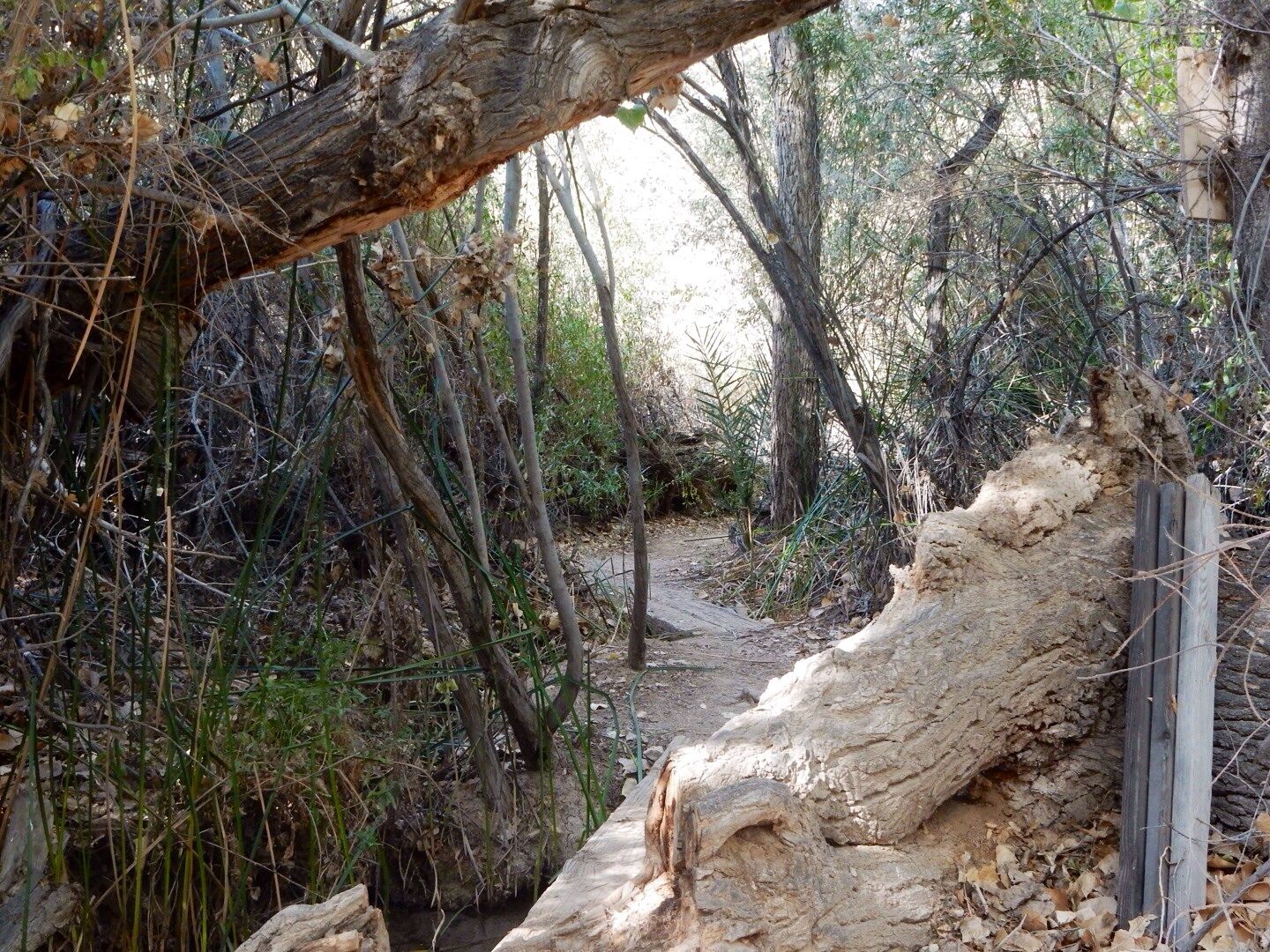
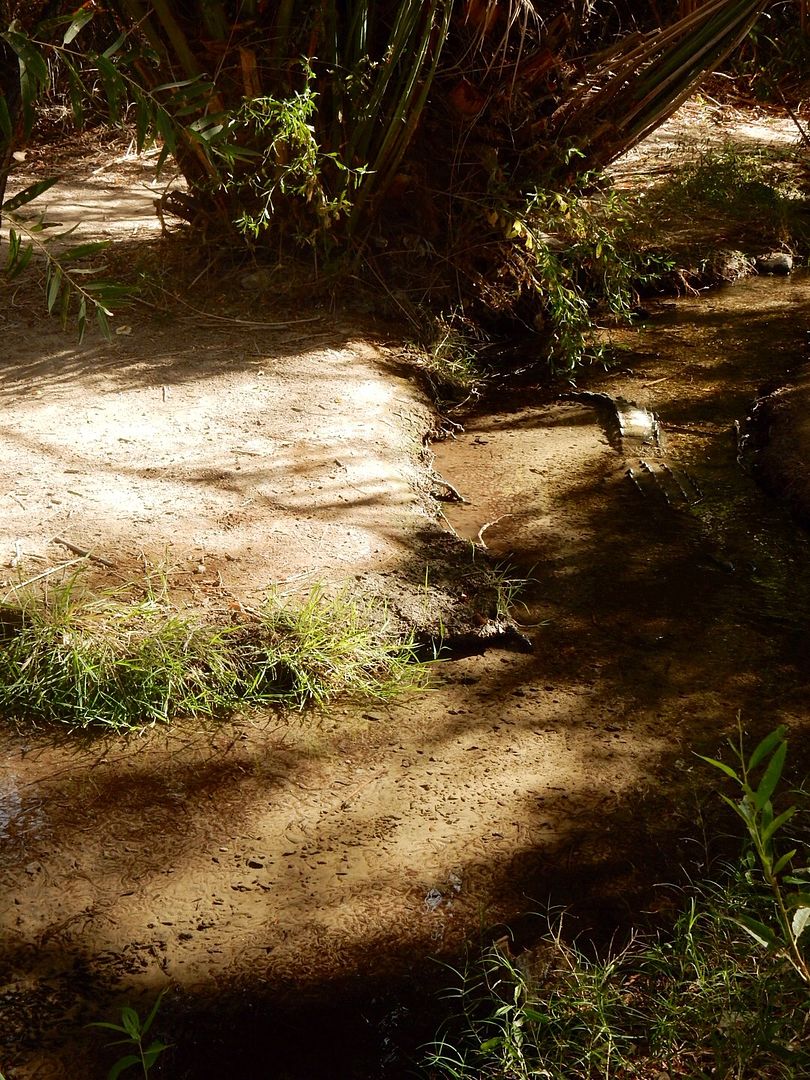
This is also an important location for migratory birds as there is so little water available in the Mojave Desert. More than 225 species of birds have been seen at China Ranch.
We loved the hiking here and learned a lot of dates! Very fun and worth the drive. Sadie thought so, too. She was exhausted at the end of the day. We went back to the RV resort and enjoyed the pool and hot tub!
Check out their website if you are interested in visiting this small farm or in ordering their delicious dates.
Website: www.chinaranch.com