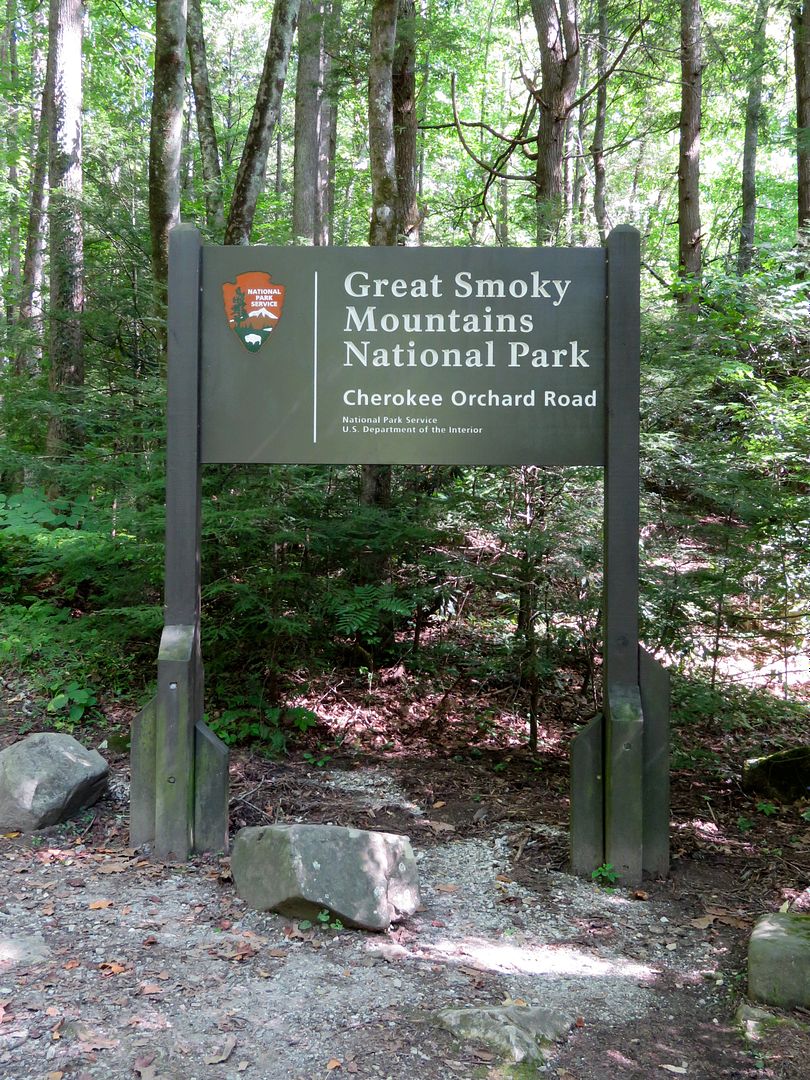
Thursday, September 8, 2016

Roaring Forks Motor Nature Trail, 9/05/2016

Knowing that Great Smoky Mountains National Park would be busy, today, Labor Day, we decided to visit the less crowded Roaring Fork Motor Nature Trail (Cades Cove is bumper-to-bumper traffic on weekends and holidays). This one-way, loop road is very close to Gatlinburg. It is winding and narrow, but paved the entire way. To get there turn onto Historic Nature Trail-Airport Road at stoplight #8 on the parkway in Gatlinburg and follow into the national park.


There are historic buildings, trails to three waterfalls, and beautiful forests and streams. Our first stop along the road was the Noah "Bud" Ogle farm. The house and barn are close to the road, but there is also a 3/4 mile loop trail through the woods to some of the other sites of interest here at the farm. 

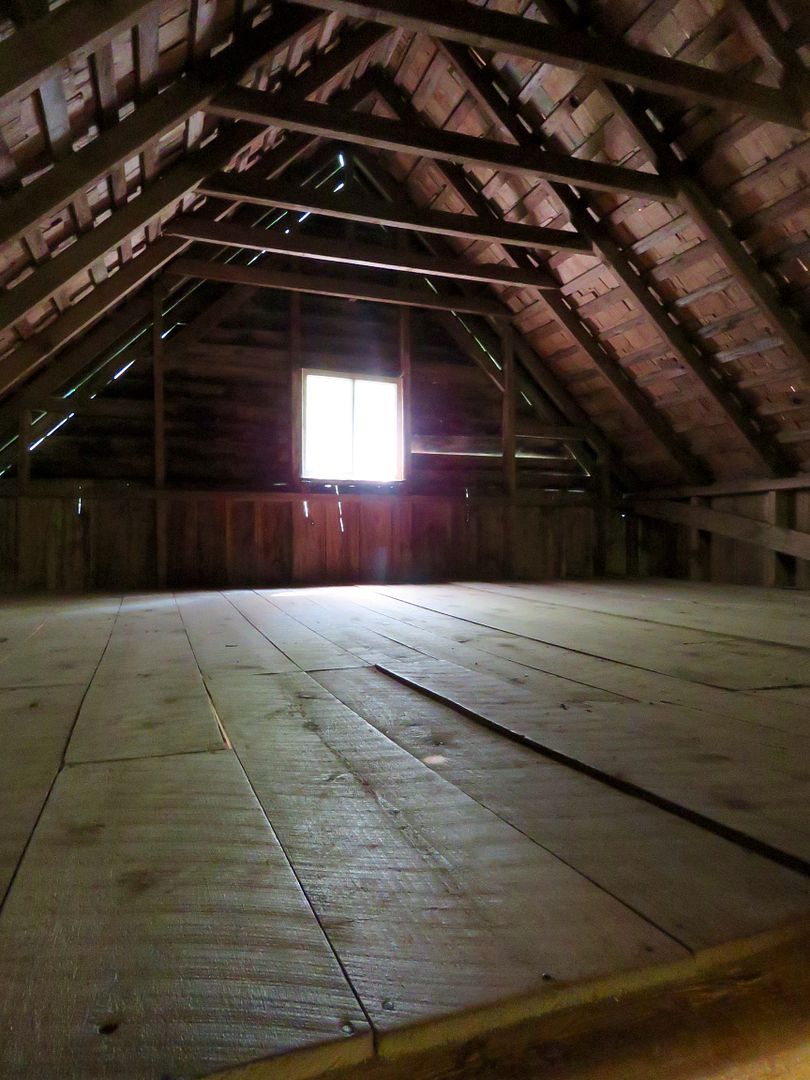
The Ogles were one of the first families to settle in this area. Bud Ogle and his family lived on this 400 acre farm beginning in 1879 until 1925. The parents, infants and girls slept downstairs and the boys slept in the loft in the house.


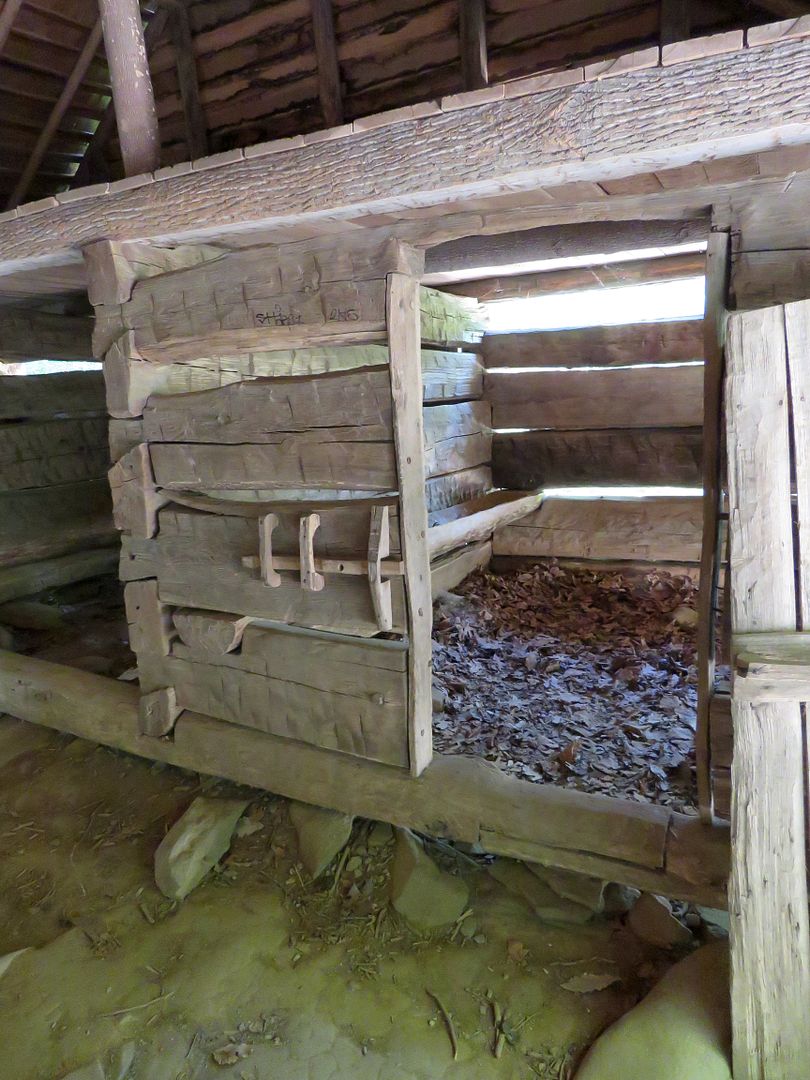
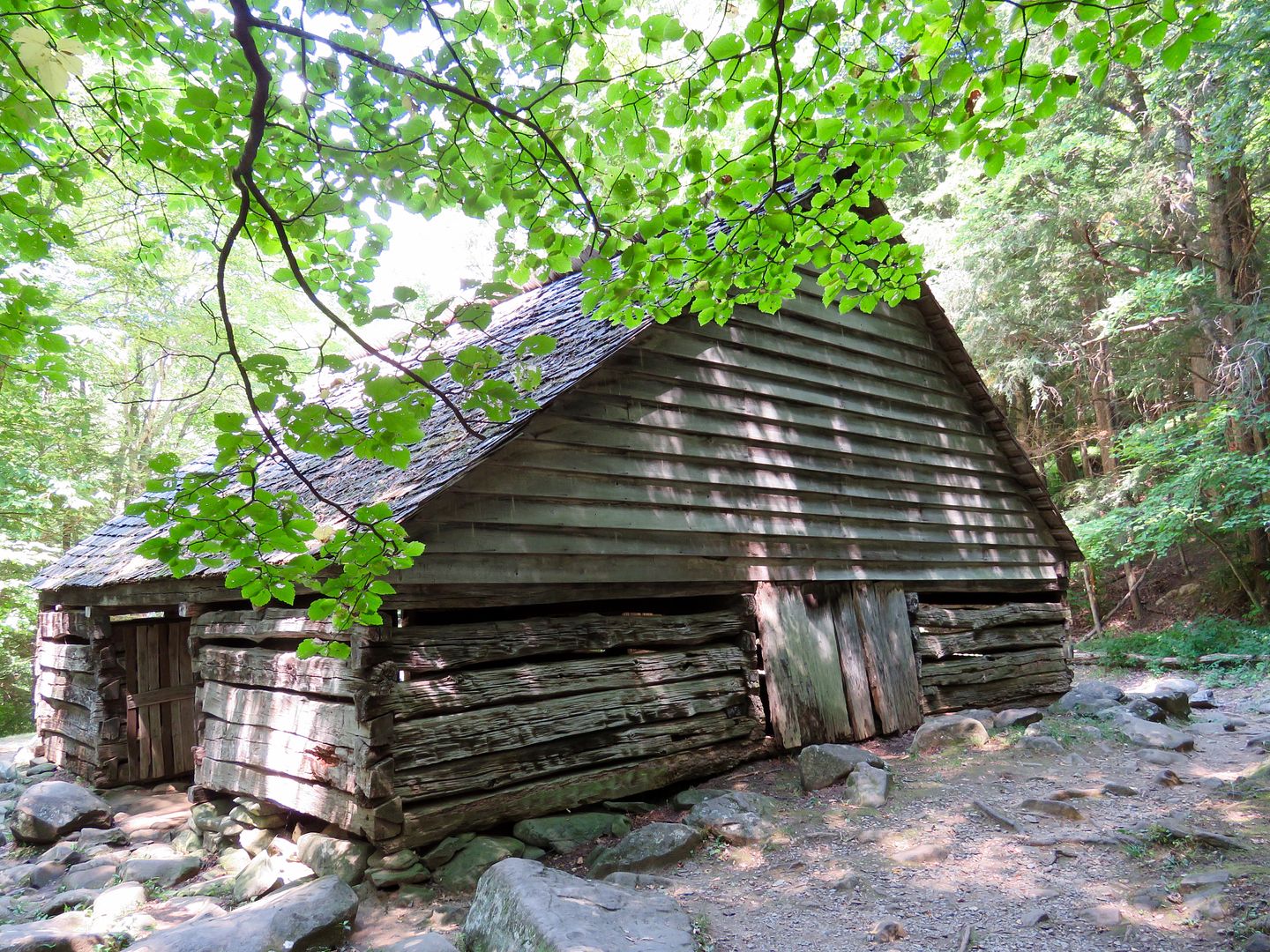
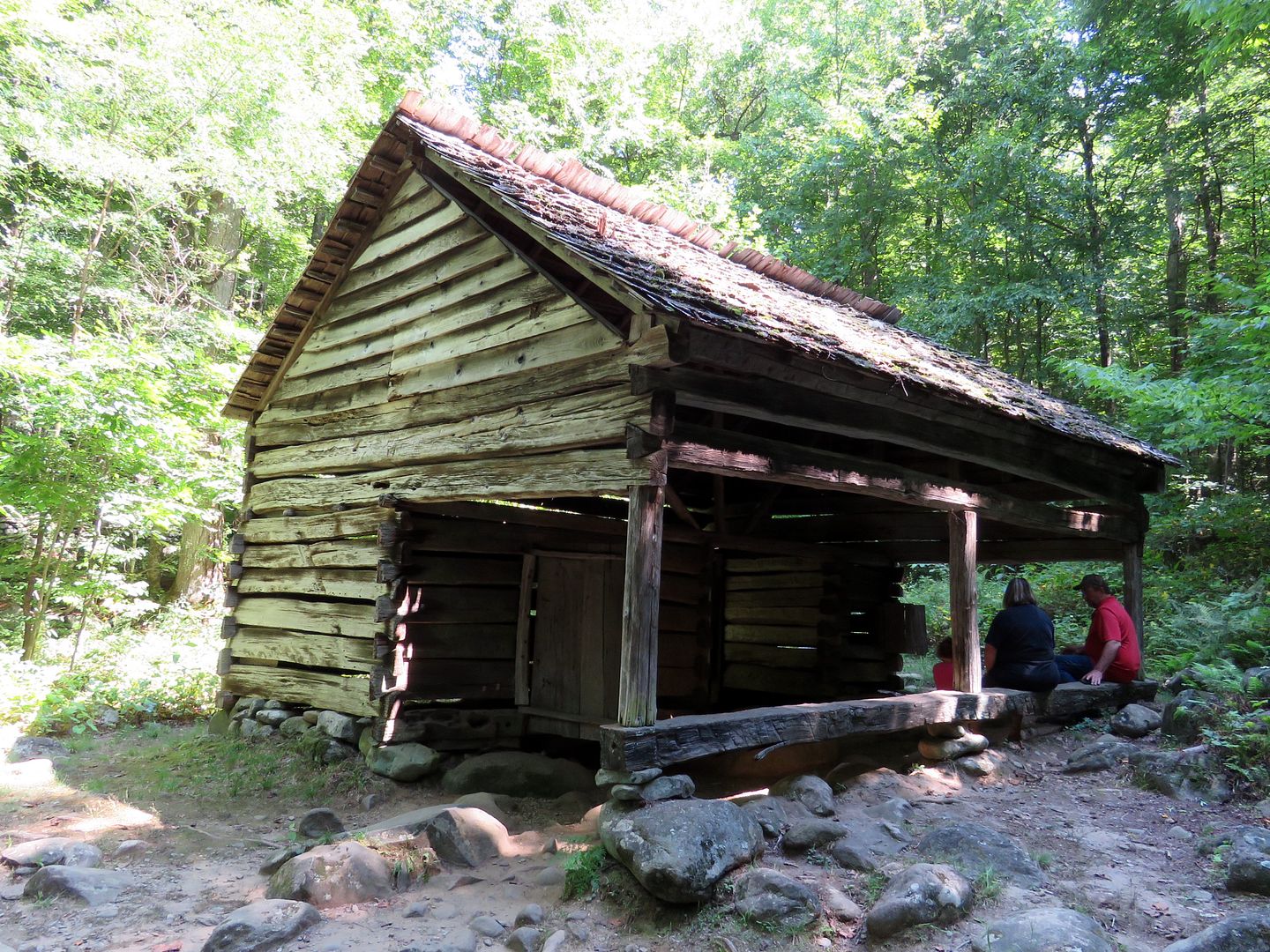
Nearby was the barn. Note how the buildings are built on stacks of large stones.
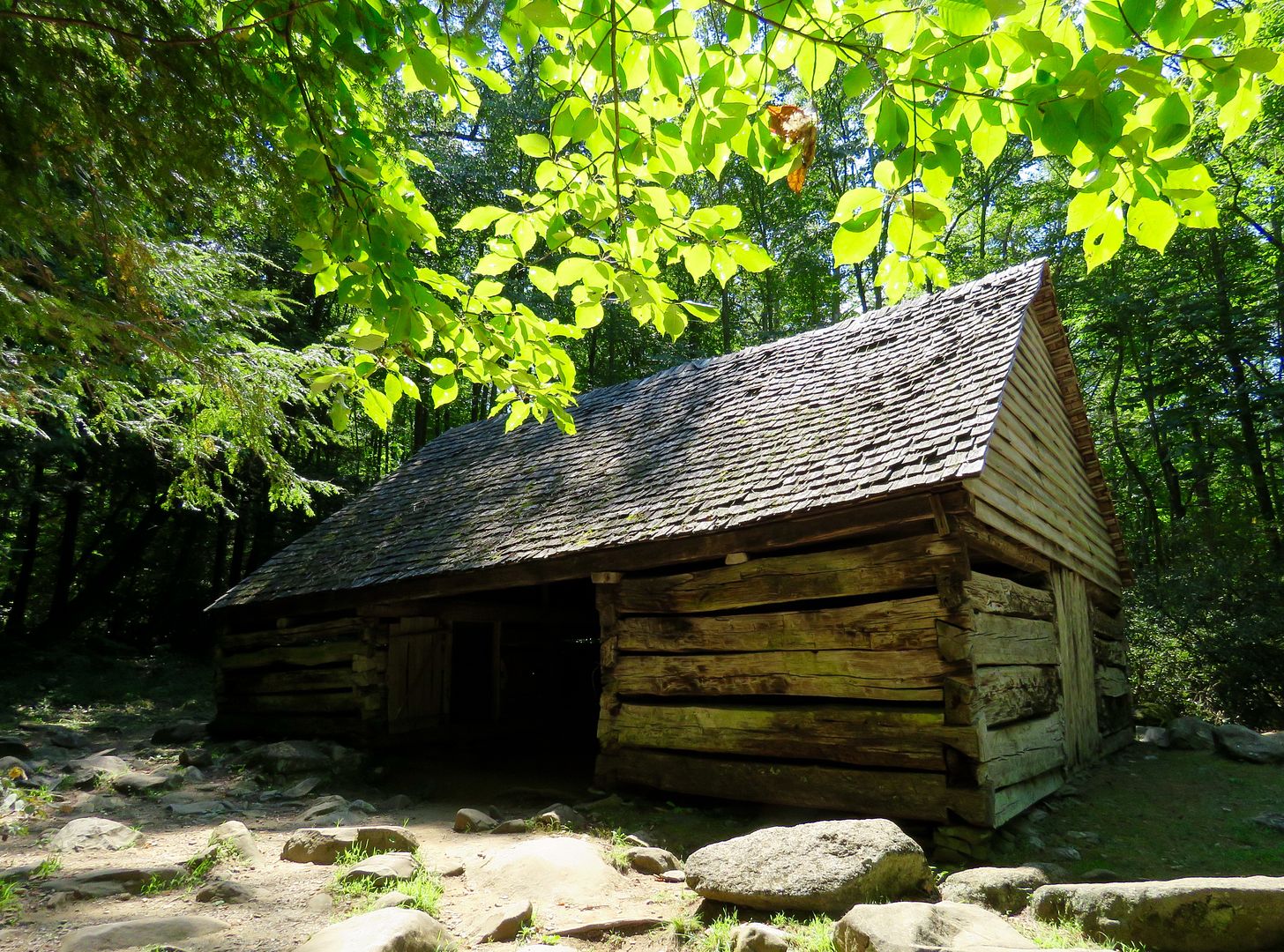


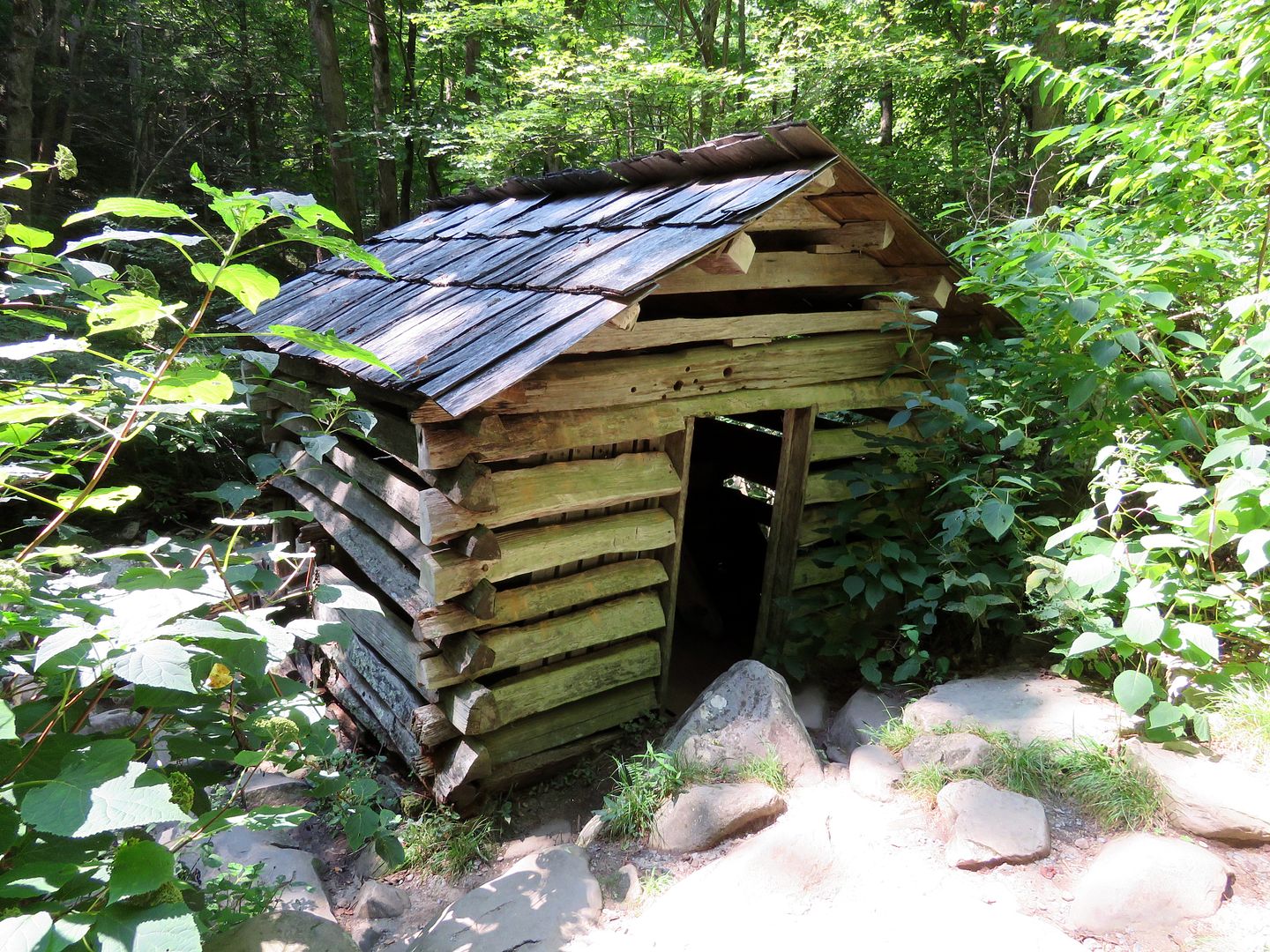
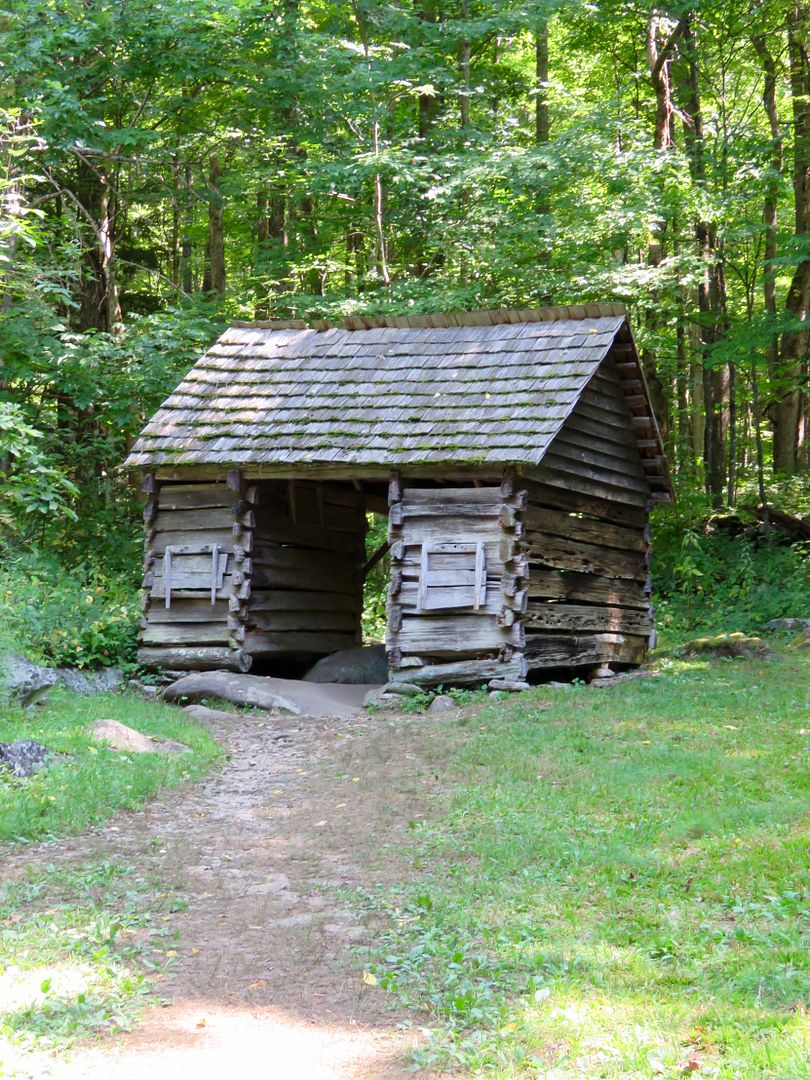
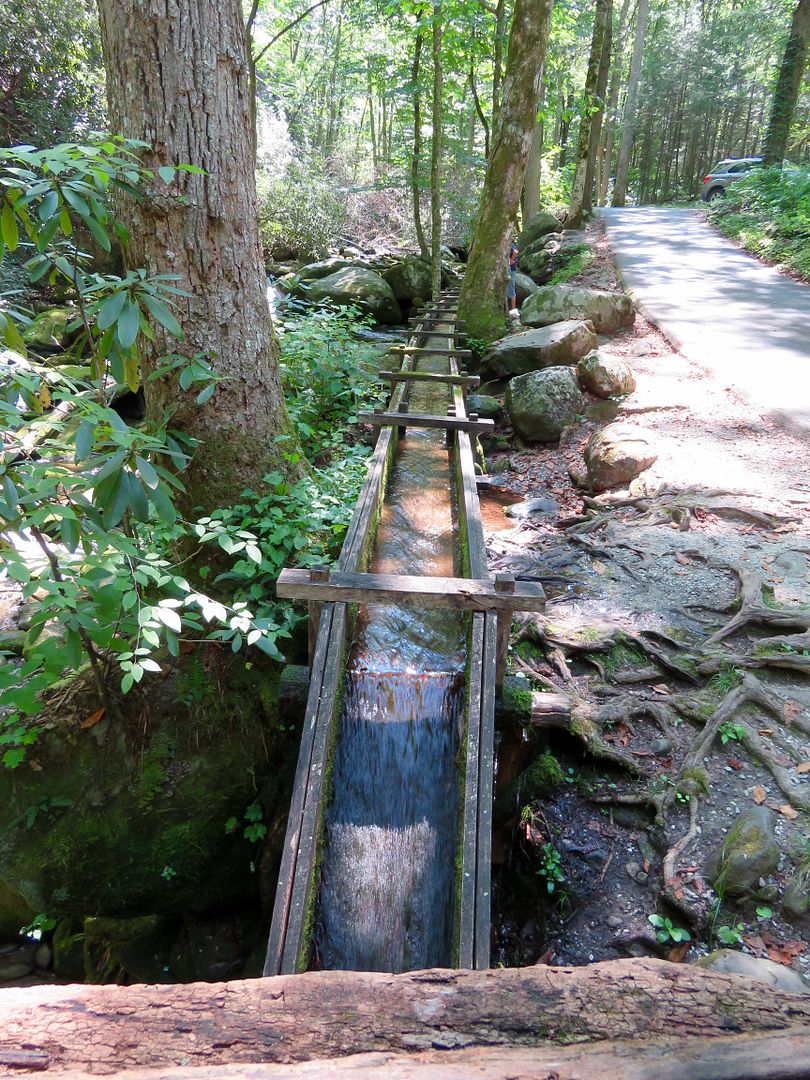
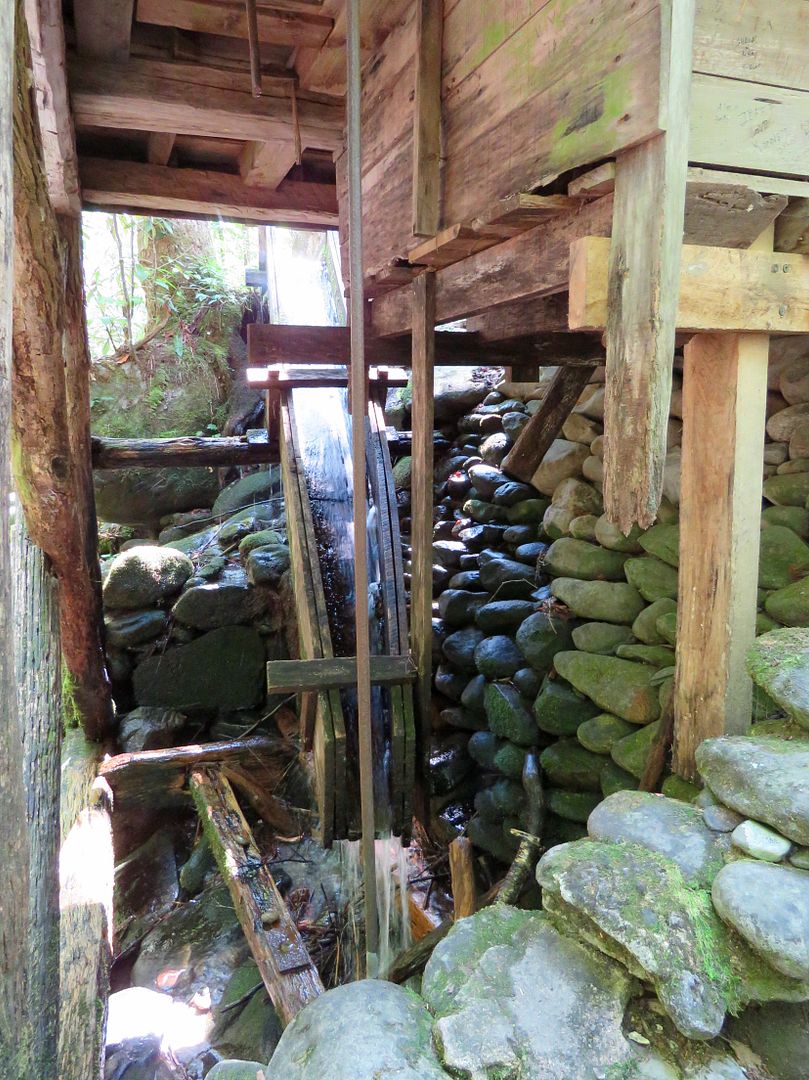
Continuing on the trail, there is a small mill built on the farm near the stream. It is known as a "tub" mill and many families built ones similar to this. Neighbors without a mill could use this one for a toll (usually a portion of the corn ground). 
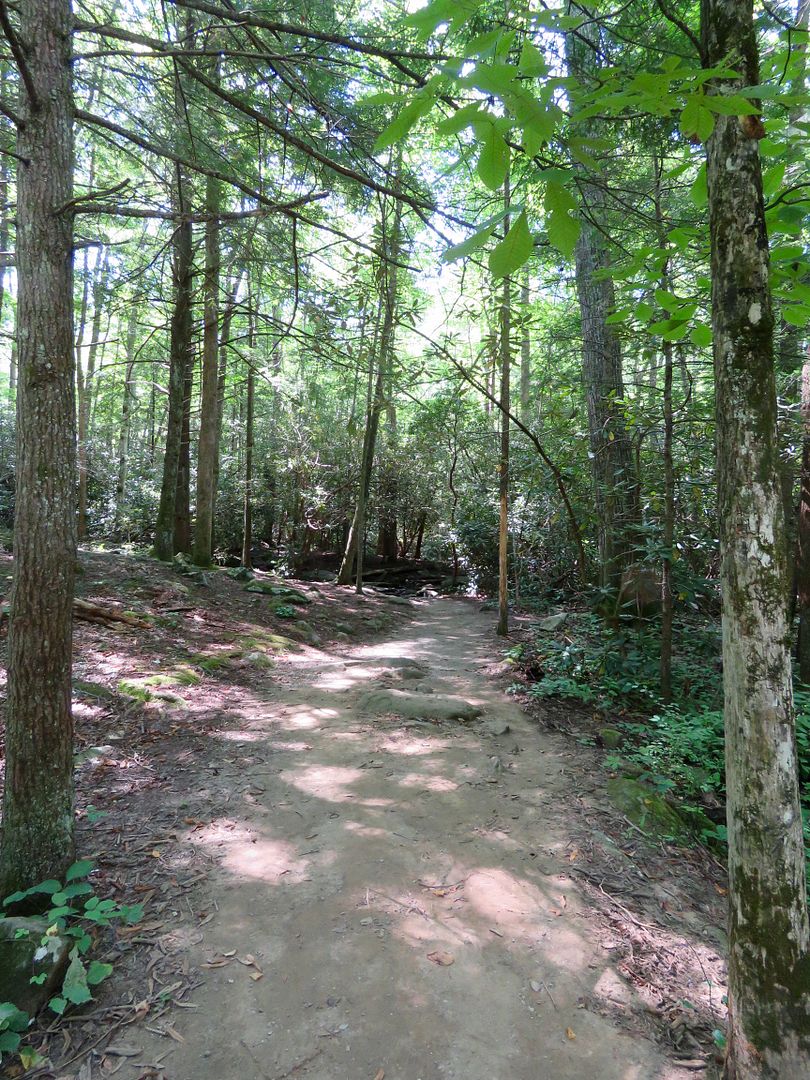


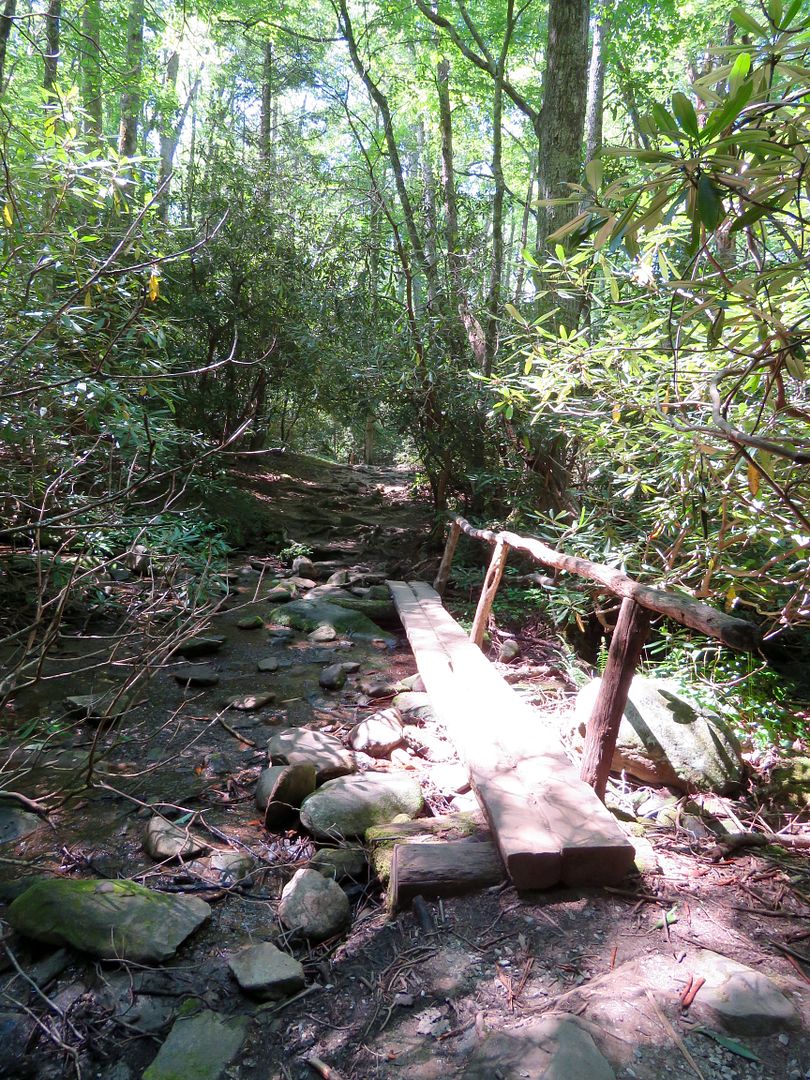
The trail winds through the beautiful forest, but, alas, I did not see any wildlife. 
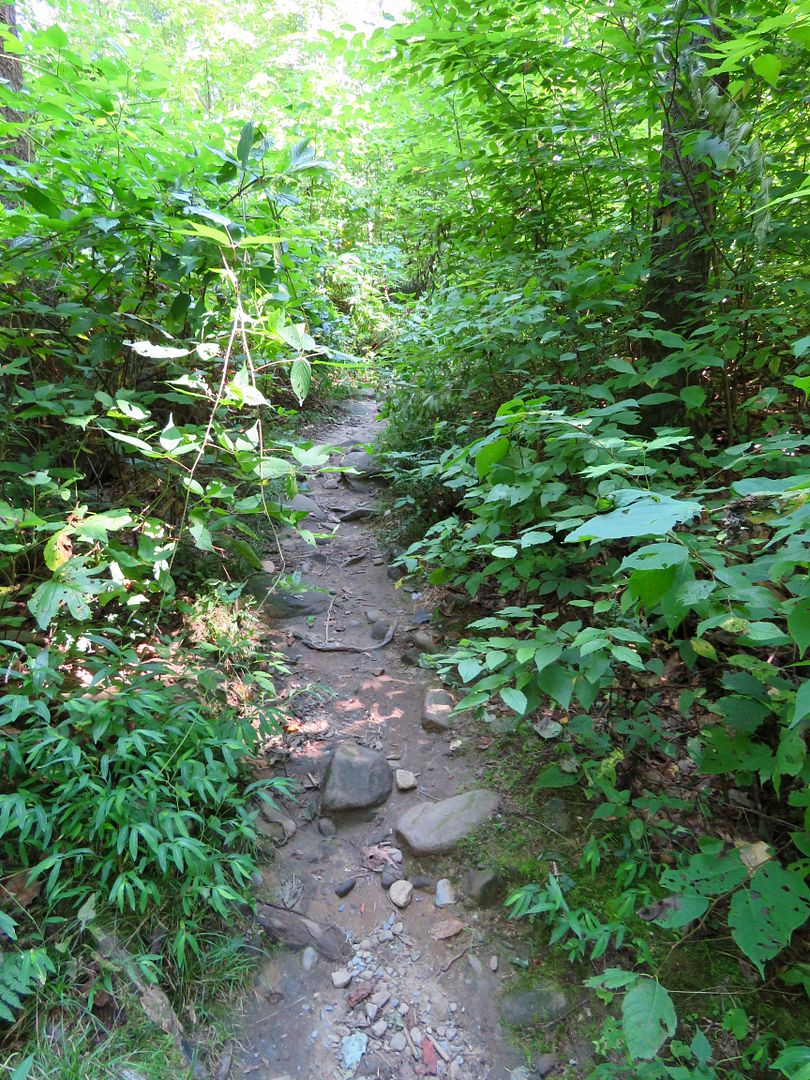

There are various pull outs with great views of the Great Smoky Mountains along the road. 


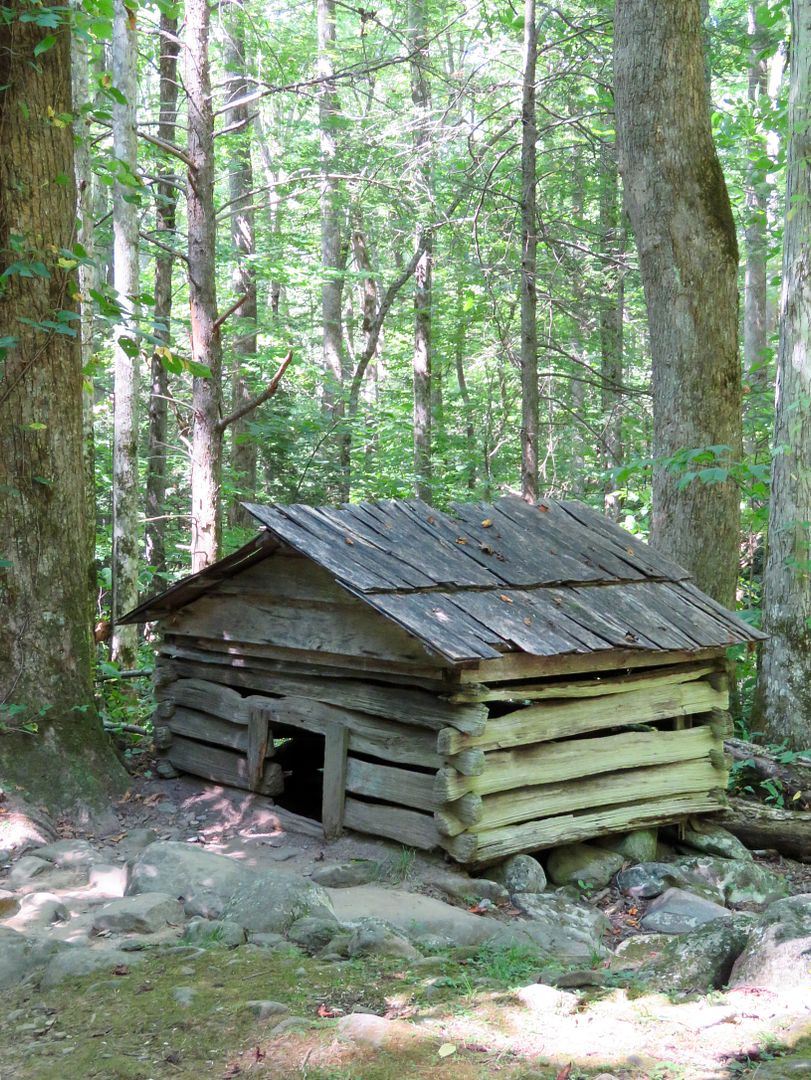
The barn and corn crib are on their original sites at Jim Bales place. The house was relocated here from another part of the park.  


Down the road, Ephraim and Minerva Bales and their nine children all lived in this very small, two-room cabin on their 70-acre farm. Their corn crib, hog pen, and barn are all still standing. Families would let their livestock (pigs) run lose in the forest to forage for their own food. They would capture one at a time, put it in the small hog pen, fatten it up, and then butcher it. This was the primary source of meat in the local diet. The family lived here from 1890 until 1930. 
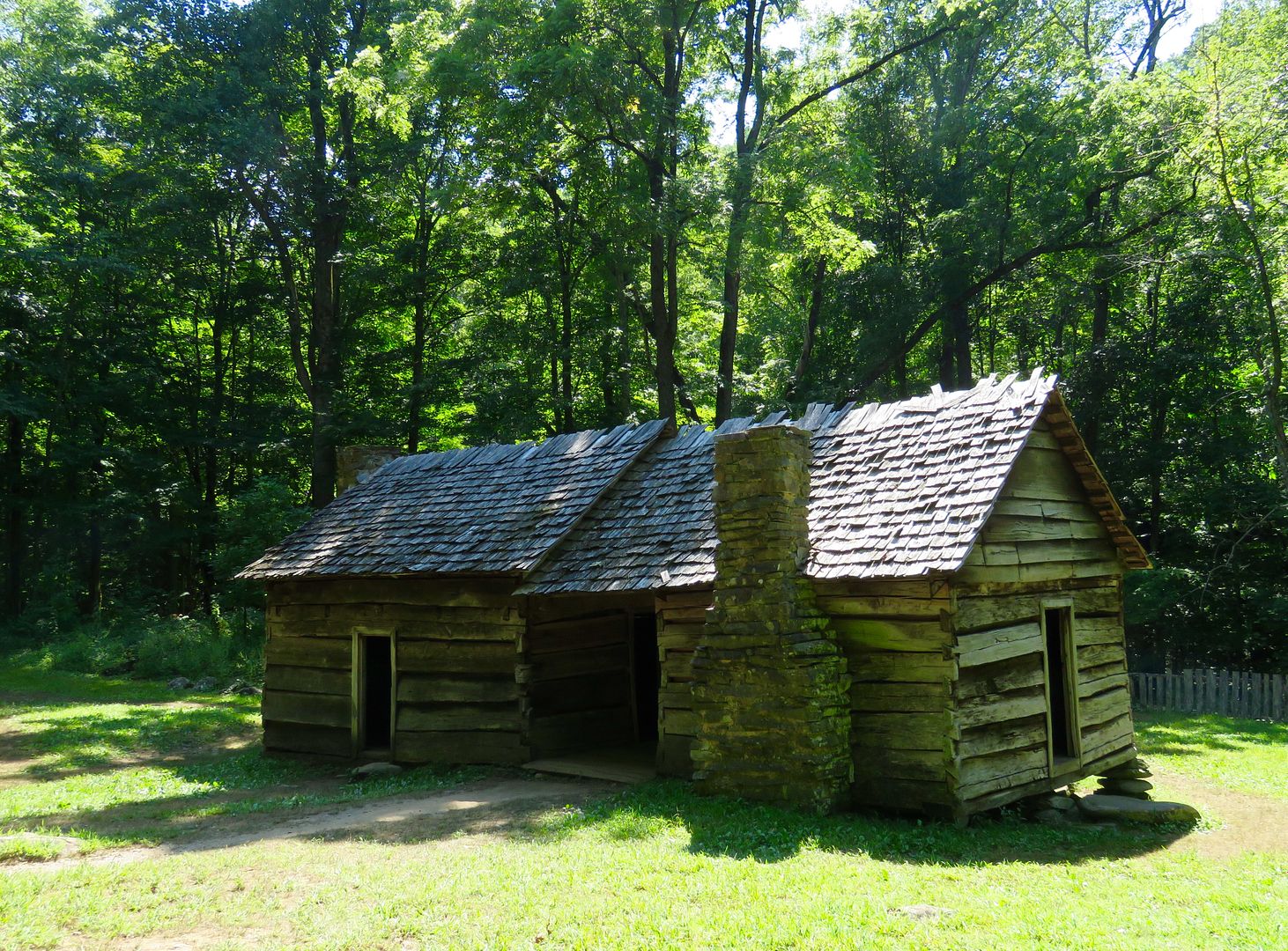


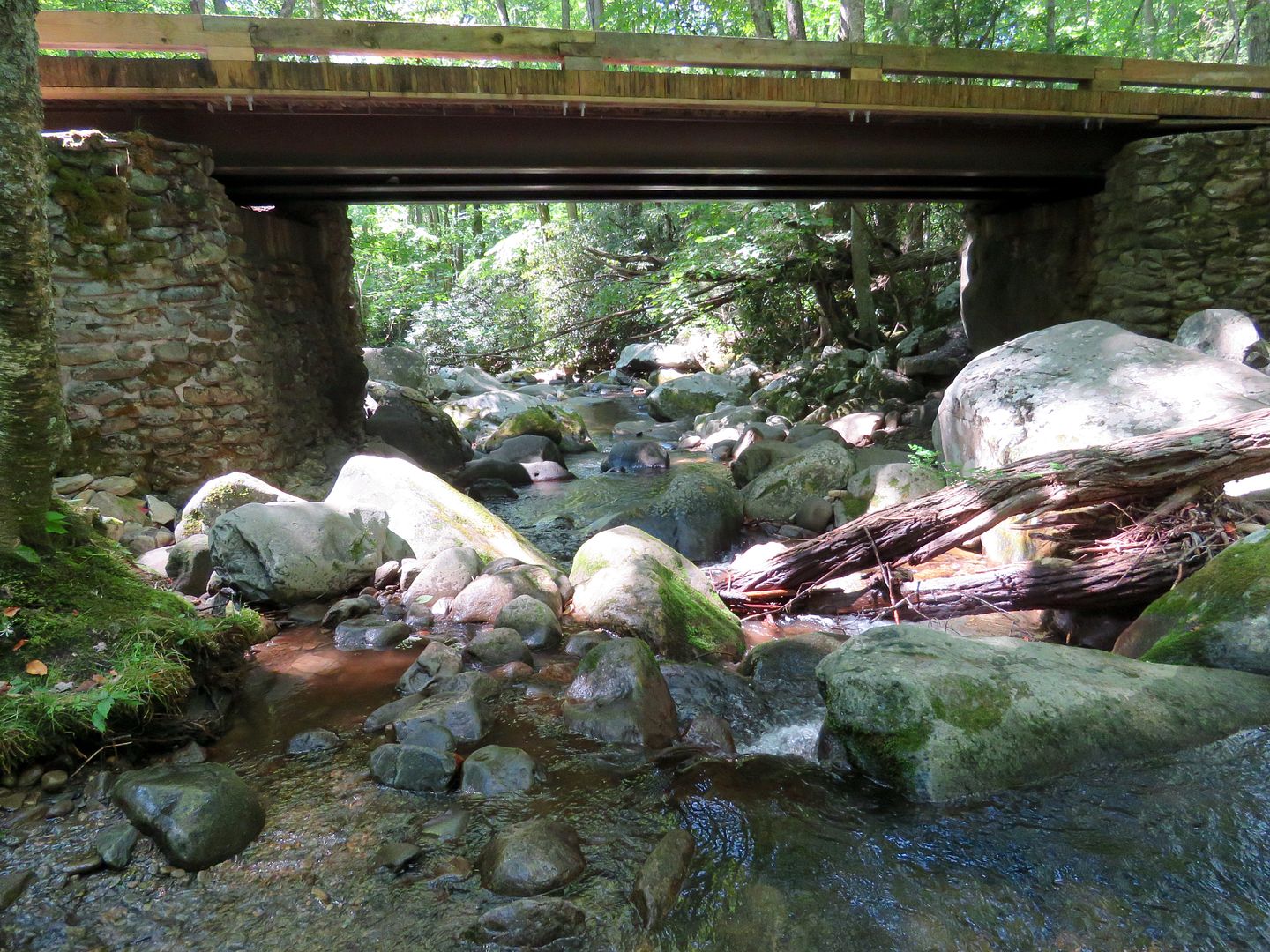
We paused to enjoy the nearby river next to the Bales farm. Our doggy, Sadie, was so happy to cool down a bit in the cold water! 
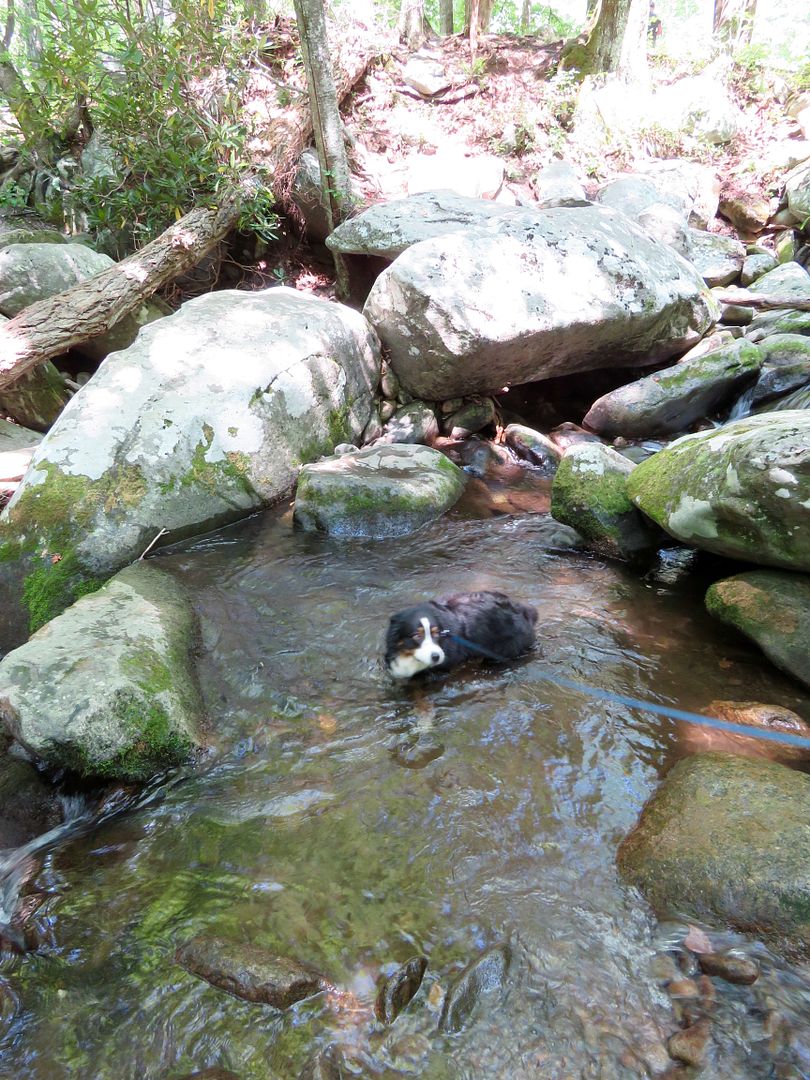


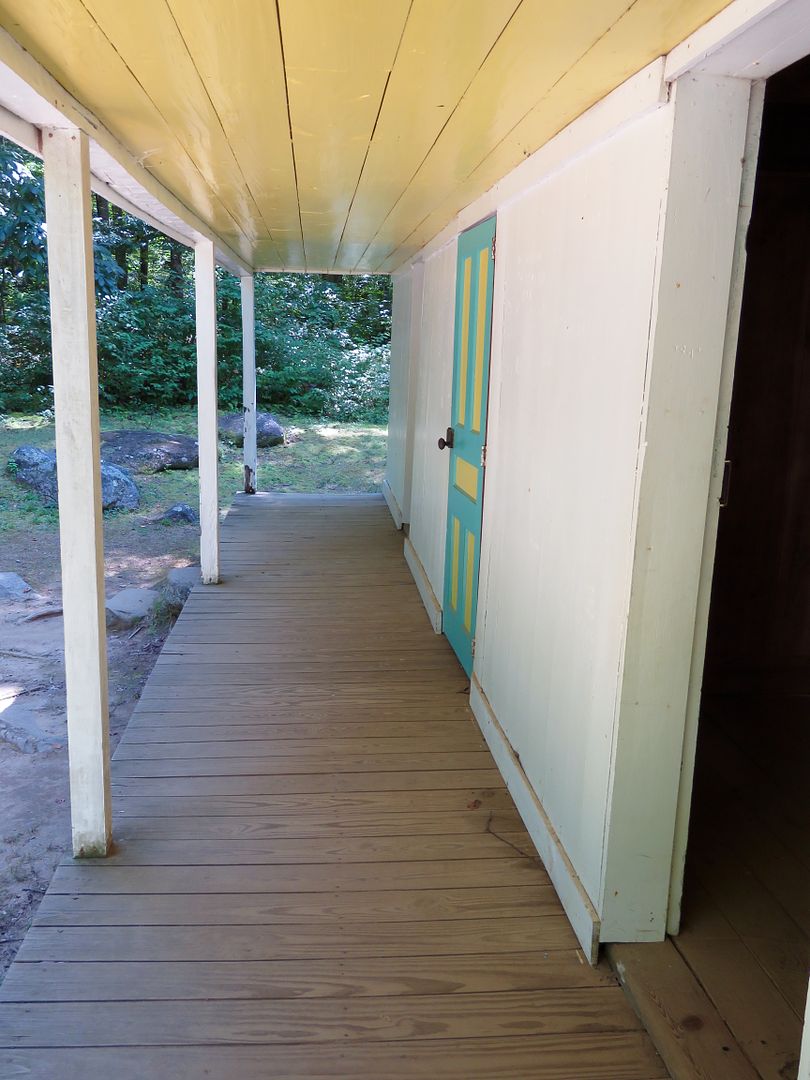
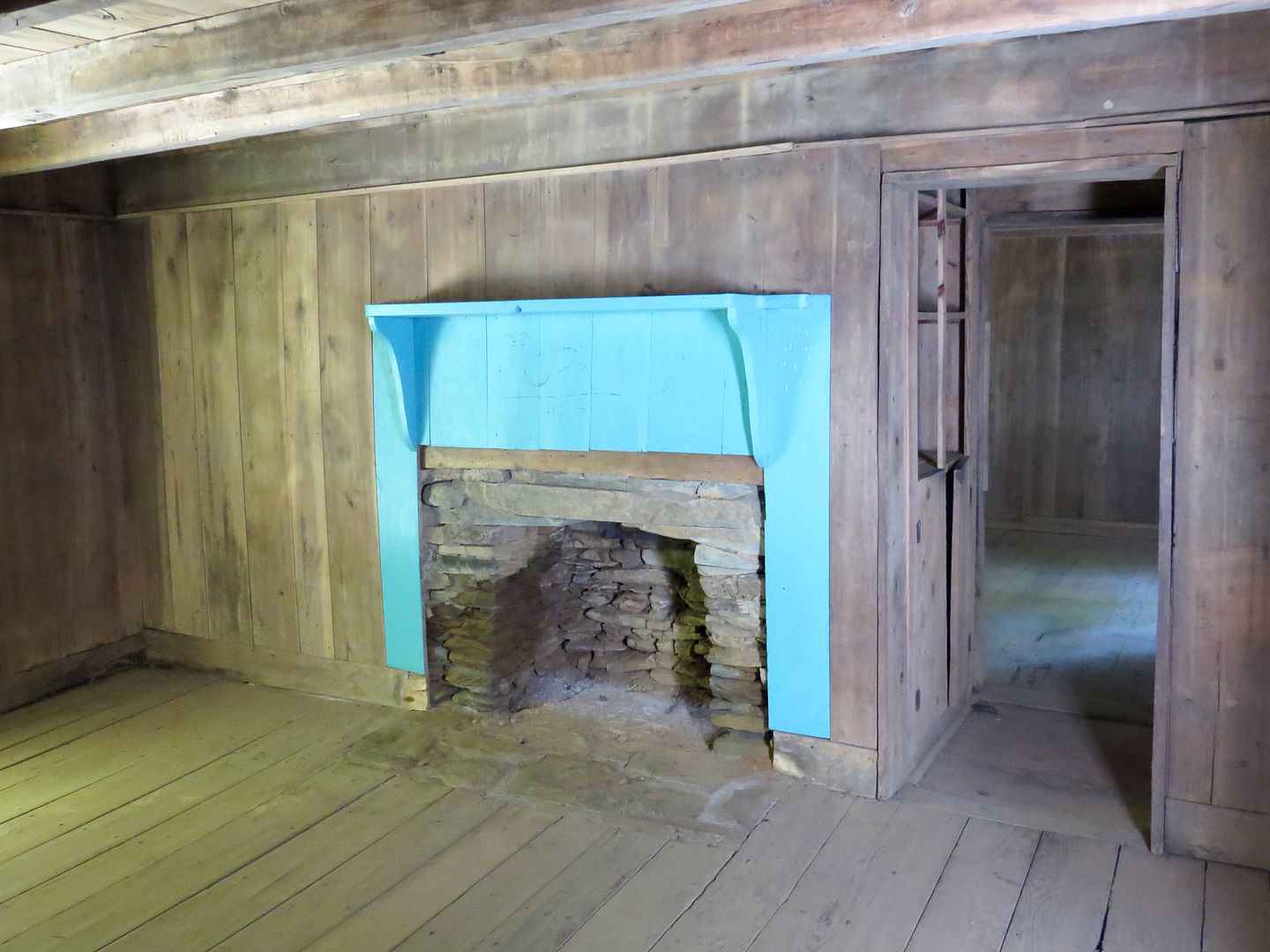
Alfred Reagan was a farmer, but also a skilled carpenter, blacksmith, a store owner (he eventually turned it over to his son), and a mill owner. He charged one gallon per bushel as the payment for grinding. The house was called a "saddlebag house" with a fireplace in the center and a room on each side. As the family grew, he added attic bedrooms while making all of the furniture for the house as well. Today, only the house and mill remain. 
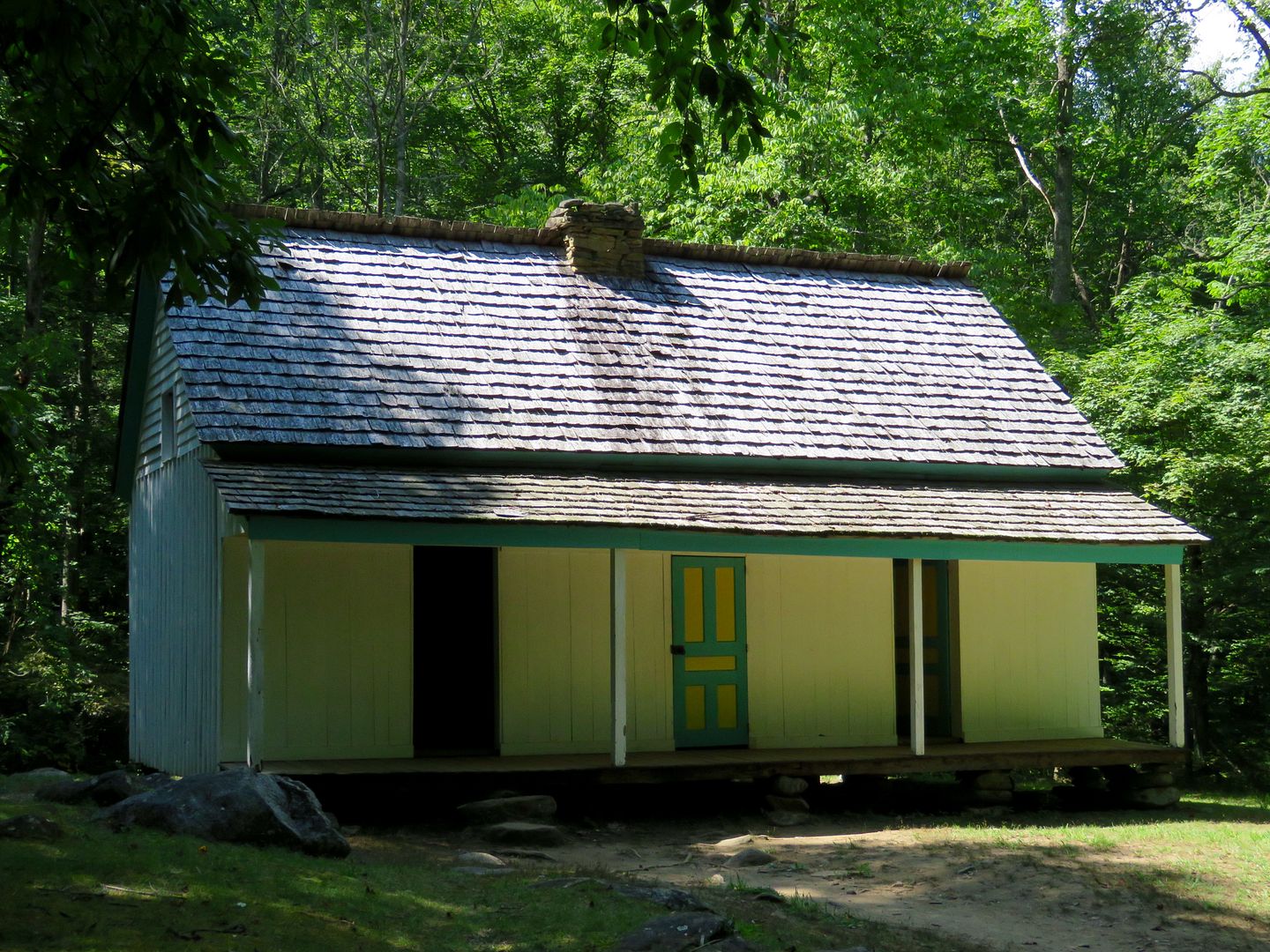


Along the river's edge, the mill was across the road from the house. 
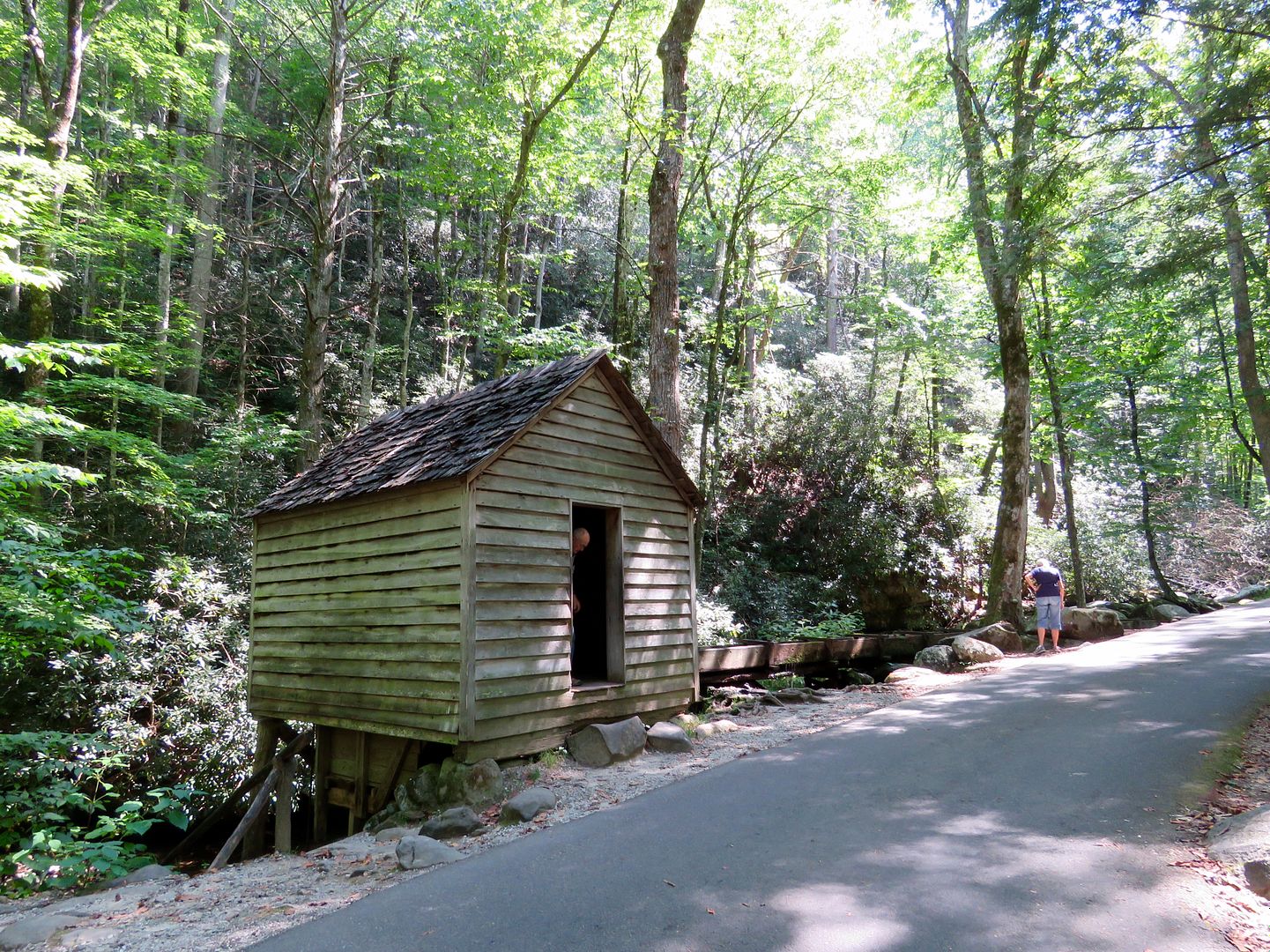


Our final stop was at an area called "The Place of a Thousand Drips." The amount of recent rainfall determines how much water you will see here. It has not rained during our stay, so the falls were just a trickle in many places.

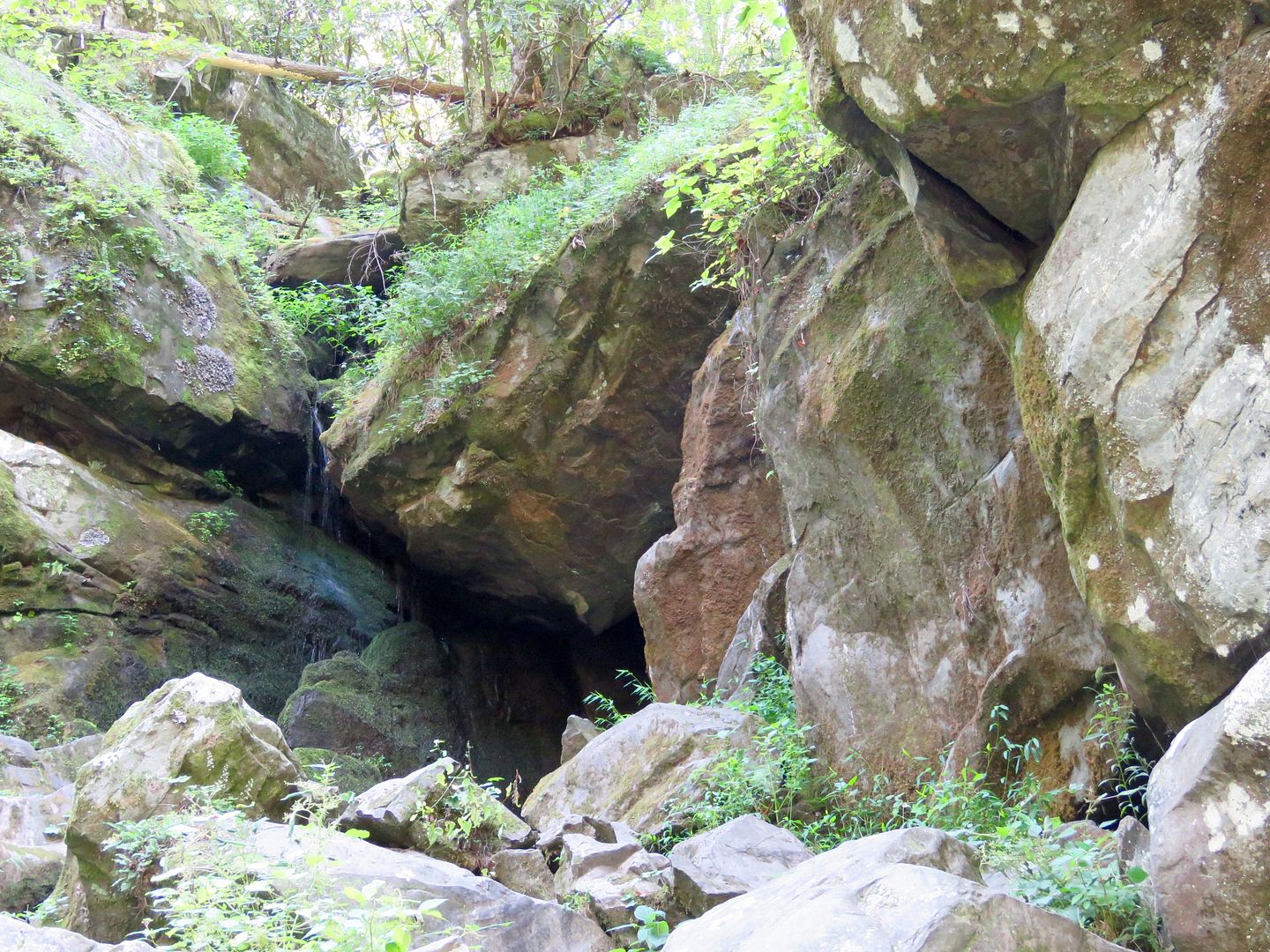
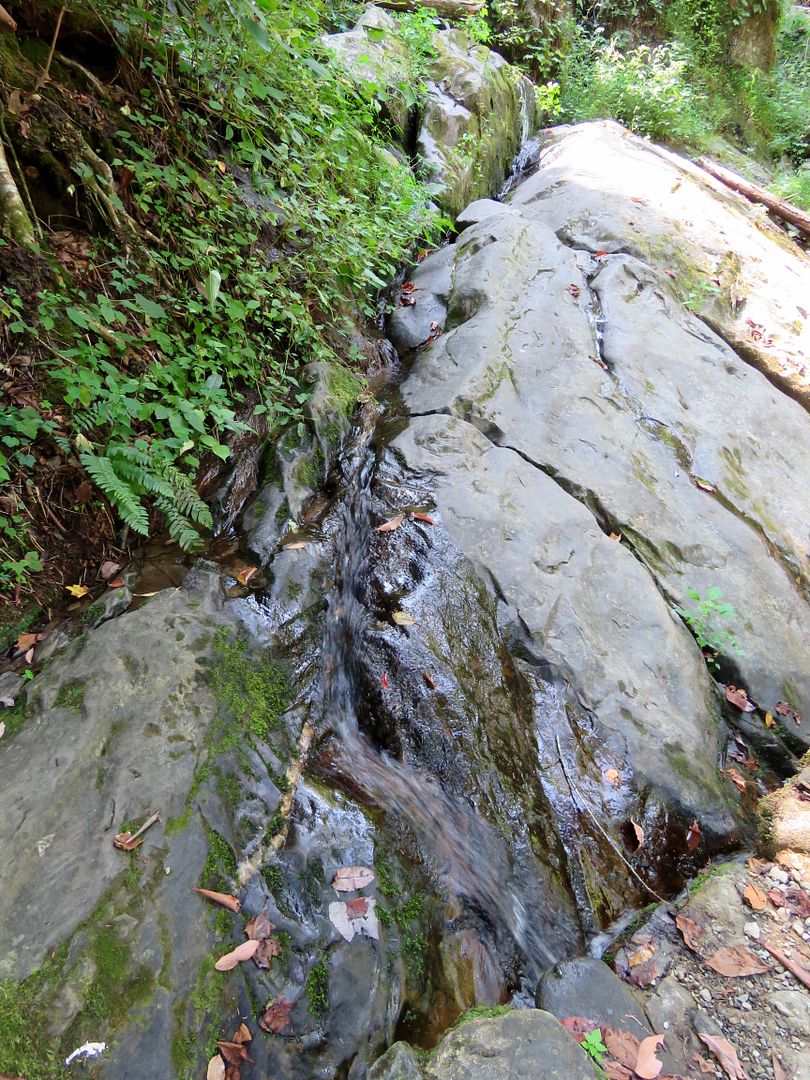
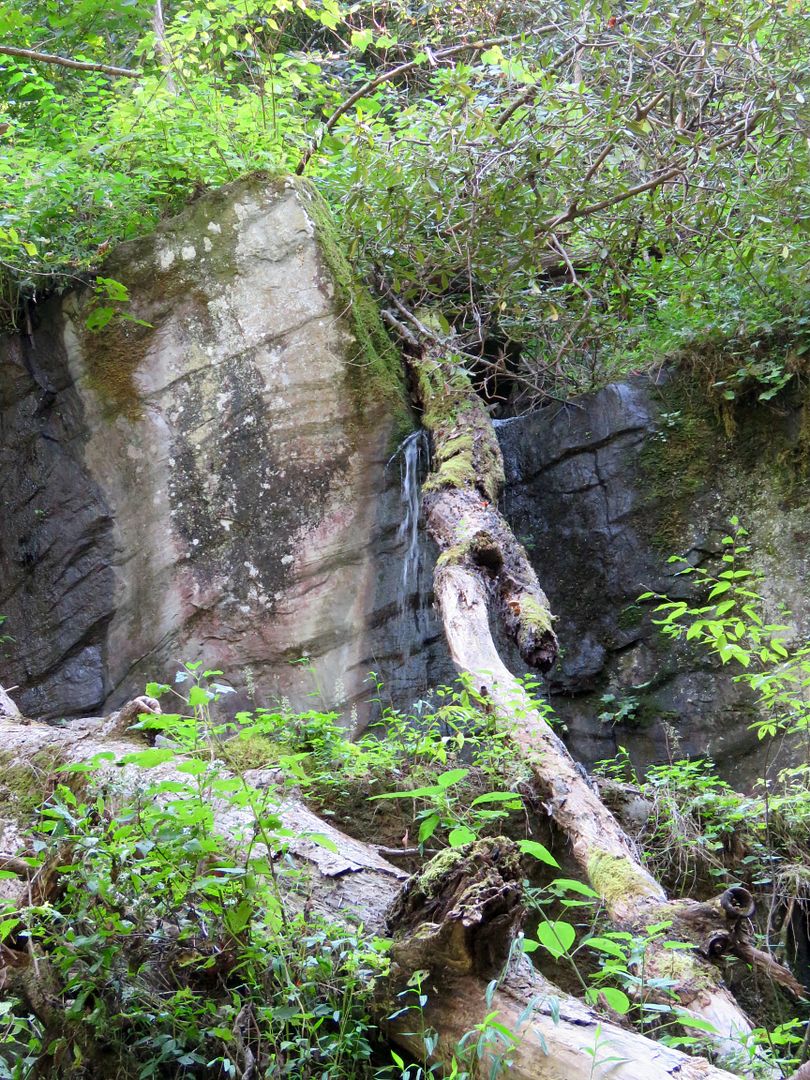
This auto nature trail was a great introduction to the Great Smoky Mountains providing insight into the Southern Appalachian culture in the beauty of the forests here. We are anxious to see more in the next few days as the crowds dissipate after the holiday weekend. 

There is no admission fee to Great Smoky Mountains National Park, although we did purchase some booklets and maps that are modestly priced at $1/each. For information about the park, campgrounds, hikes, and more, check it out online.

Website: www.nps.gov/grsm

Ships Passing in the Night, 9/03/2016

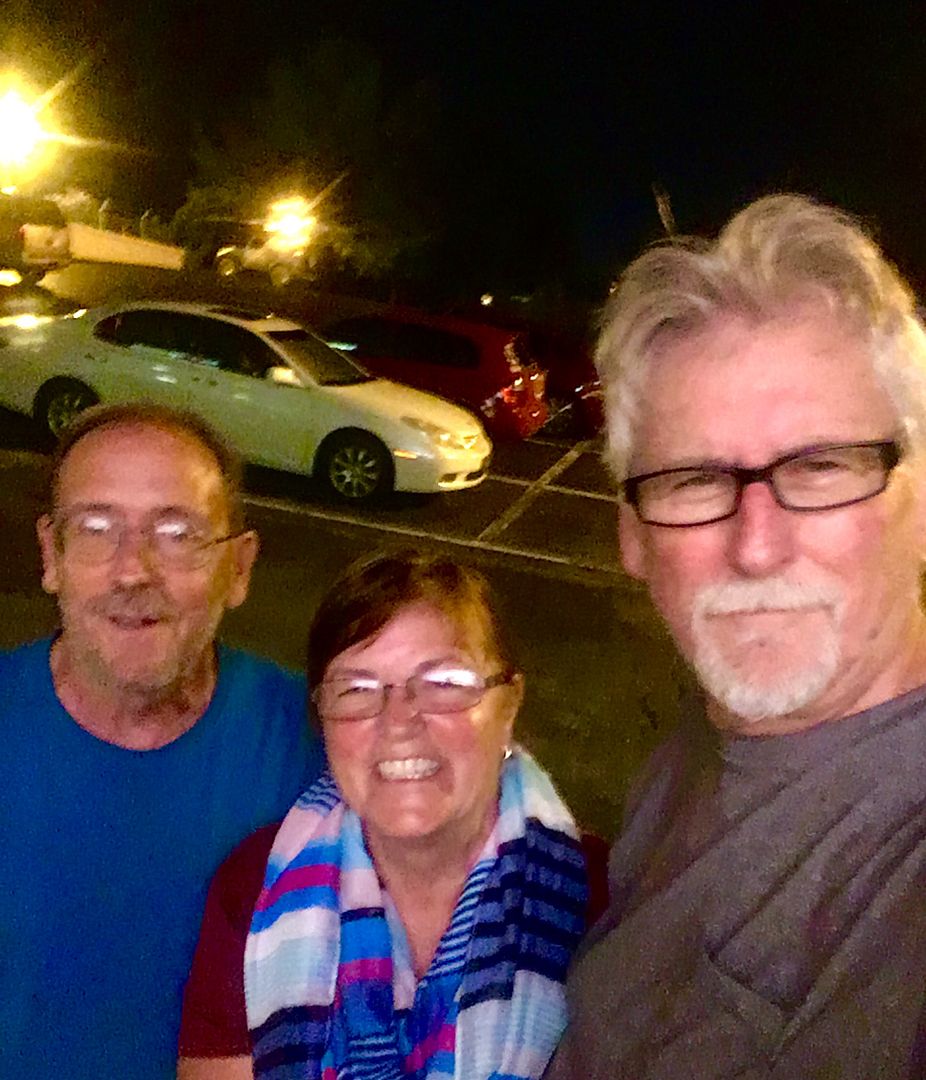
This morning our friend, Greg, sent us a text message to confirm when we would be in NC. He drives a car carrier and passes through the NC frequently. He and his wife, Jeanne, live in West Chester, PA, and have been friends for years. We last saw them when we were there in July, 2016. 

We responded that we were in Pigeon Forge, TN. He was at a standstill in traffic on I-81 (two hours due to an awful accident) and would be in Newport, TN, that evening. We realized Newport was only about 30 miles from where we were staying. We made  plans to meet for cocktails and dinner several hours later.


Greg wanted to say hi to our dog, Sadie, so we took a walk out to his truck. It's a beauty! Can you believe all of the cars on that trailer?


John and I enjoyed catching up with Greg about our families and travels. It's so fun to unexpectedly see someone you know on the road!

Cheers!

Monday, September 5, 2016

Sugarlands, Great Smoky Mountains National Park, 9/03/2016

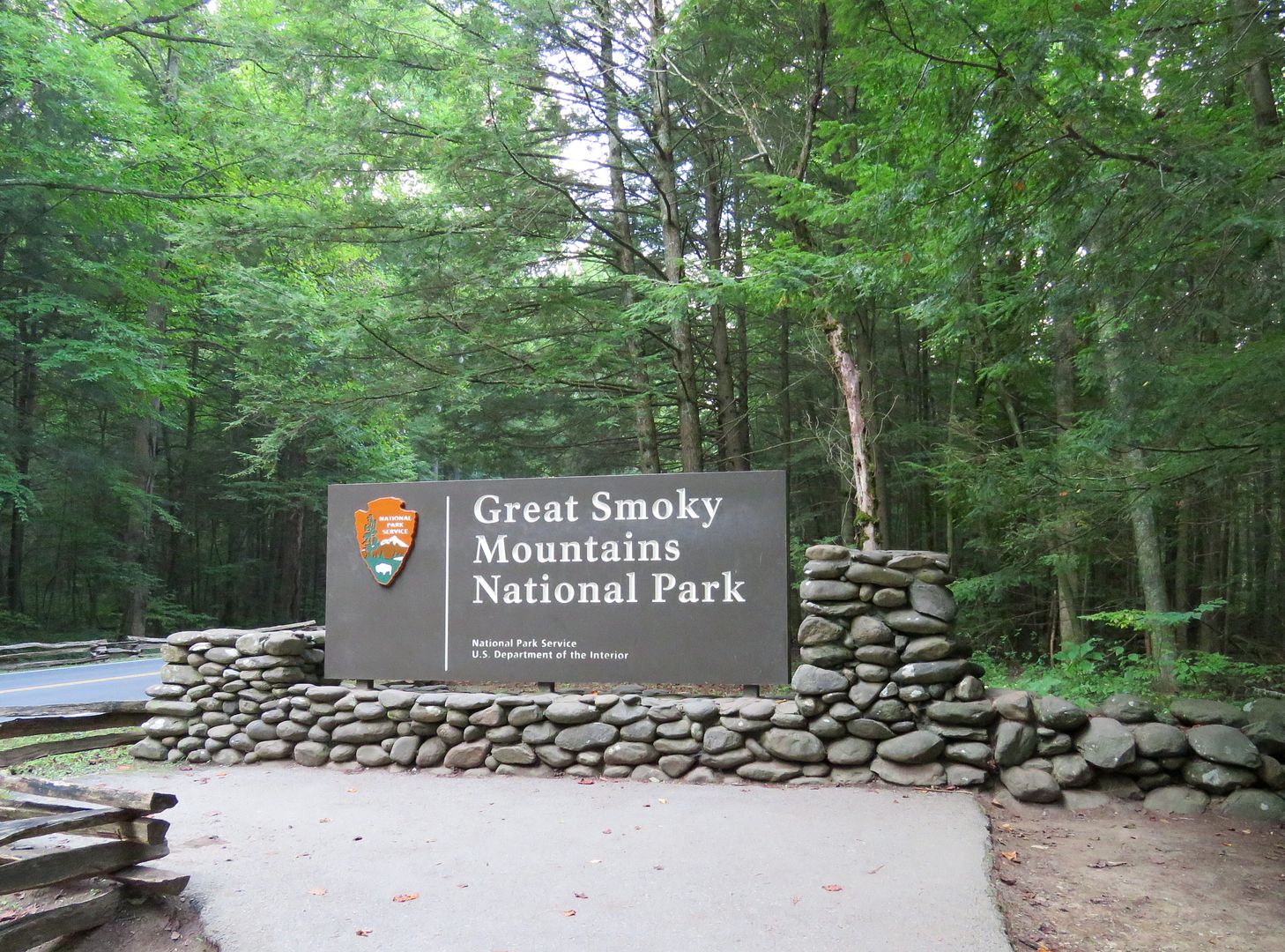
Arriving in Pigeon Forge on Friday of the Labor Day Weekend was probably not the best plan, but we left Cave City, KY, early and arrived at the RV park here around 1:30 pm. This area (Gatlinburg, Great Smoky Mountains National Park, Dollywood) is packed  with vacationers for the long weekend. 

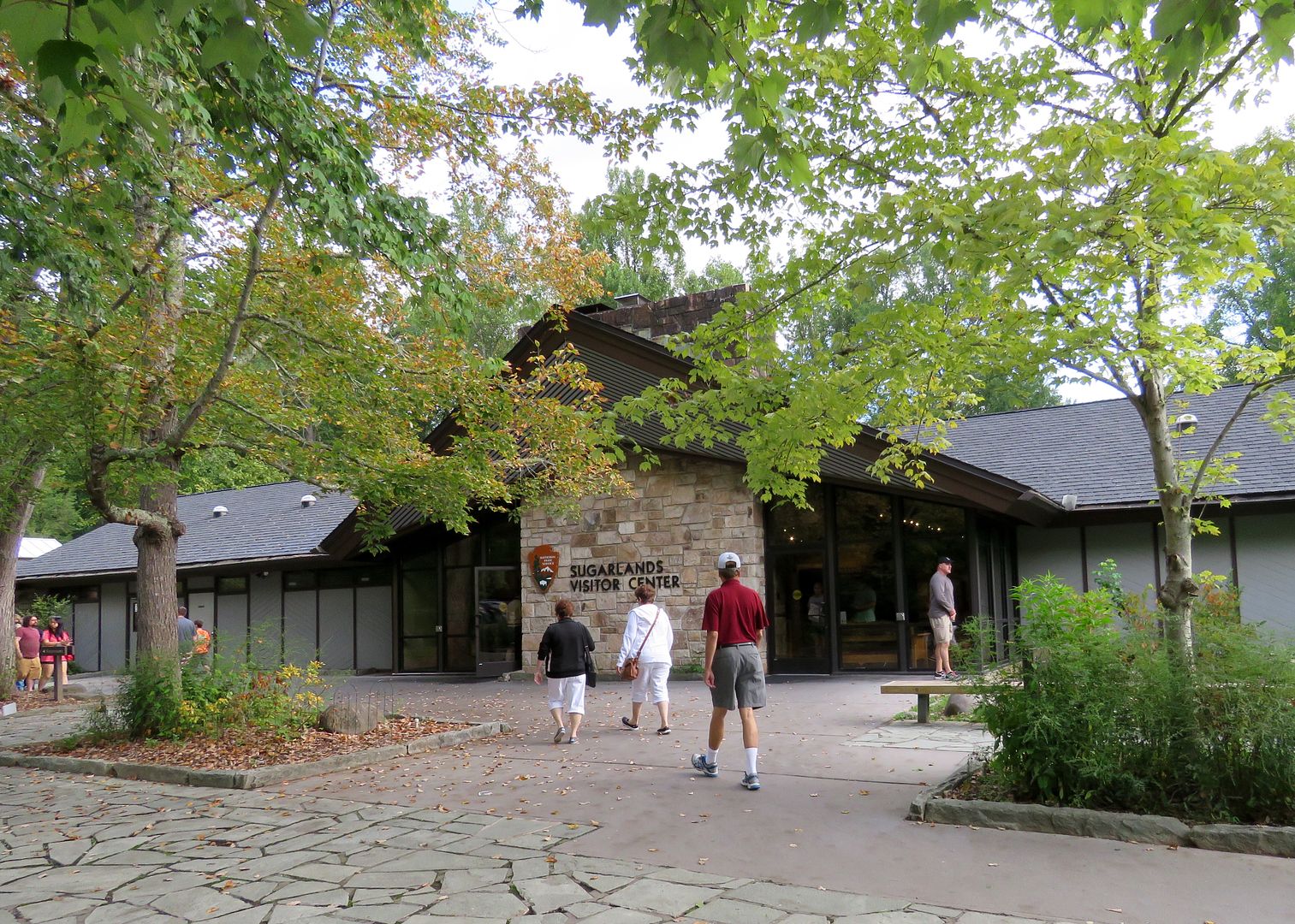
We are here to visit the National Park, but all of the literature says there is bumper-to-bumper traffic on weekends (in the summer) and holidays by 10 am. We decided to go to the Sugarlands Visitor Center at the Park to obtain planning information (hiking trails, auto tours, etc.) for the rest of our stay here. We left early (for me!) at around 8 am to avoid the crowds. 


This is the most visited National Park in the country with approximately 9 million visitors annually (double any other park). The 500,000 acres of the park are half in TN and half in NC. The Appalachian Trail runs north to south along the ridge of the mountains for about 70 miles. 

There is more diversity of plant and animal life in these ancient mountains than any place other than tropical forests. Additionally, there are over 90 historic structures that provide insight into Southern Appalachian culture. 

Far-sighted individuals began planning to preserve the beautiful natural area in the 1920s. It became a National Park in 1934; designated an International Biosphere Reserve in 1976; and a World Heritage Site in 1983. 

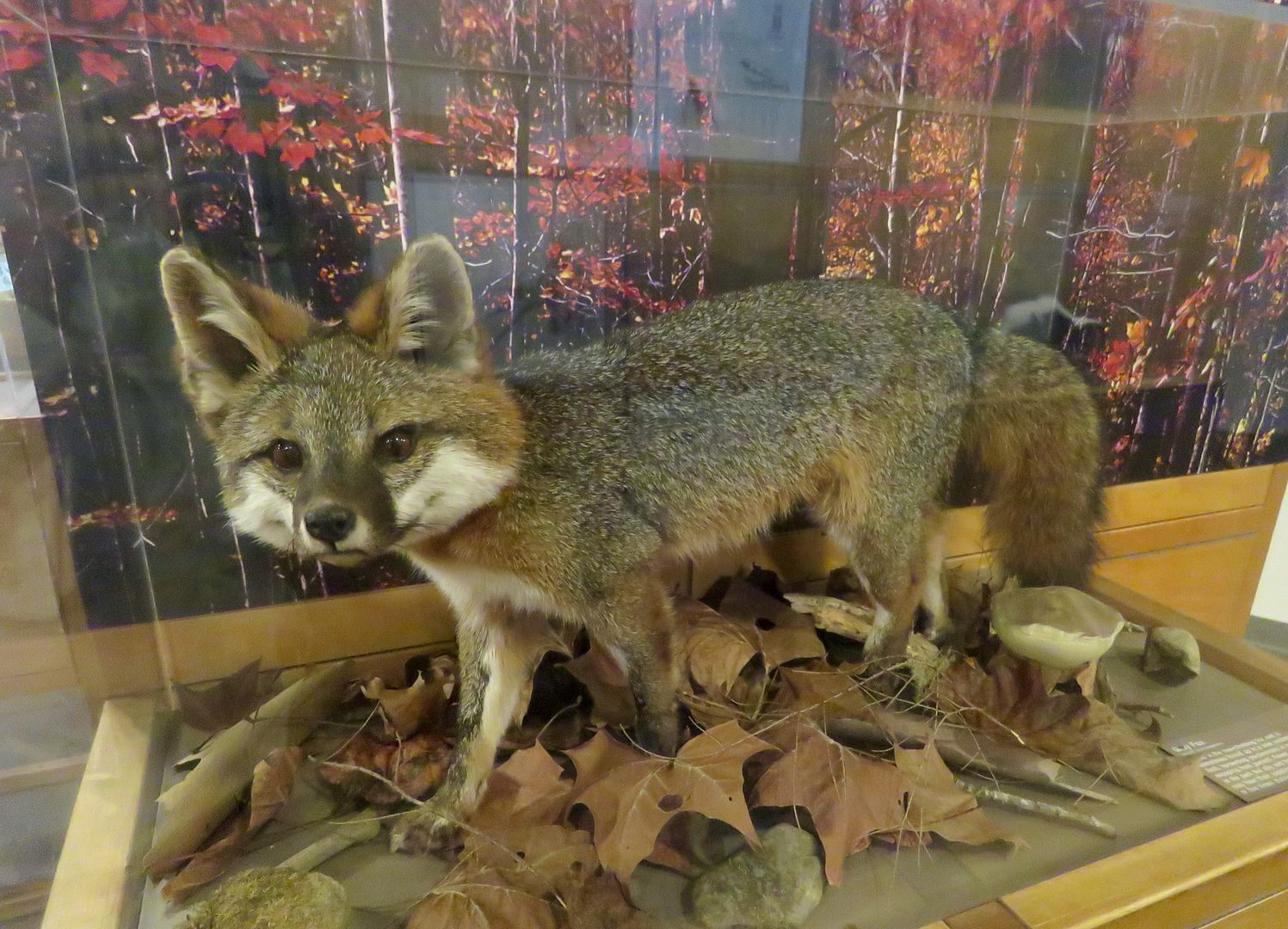
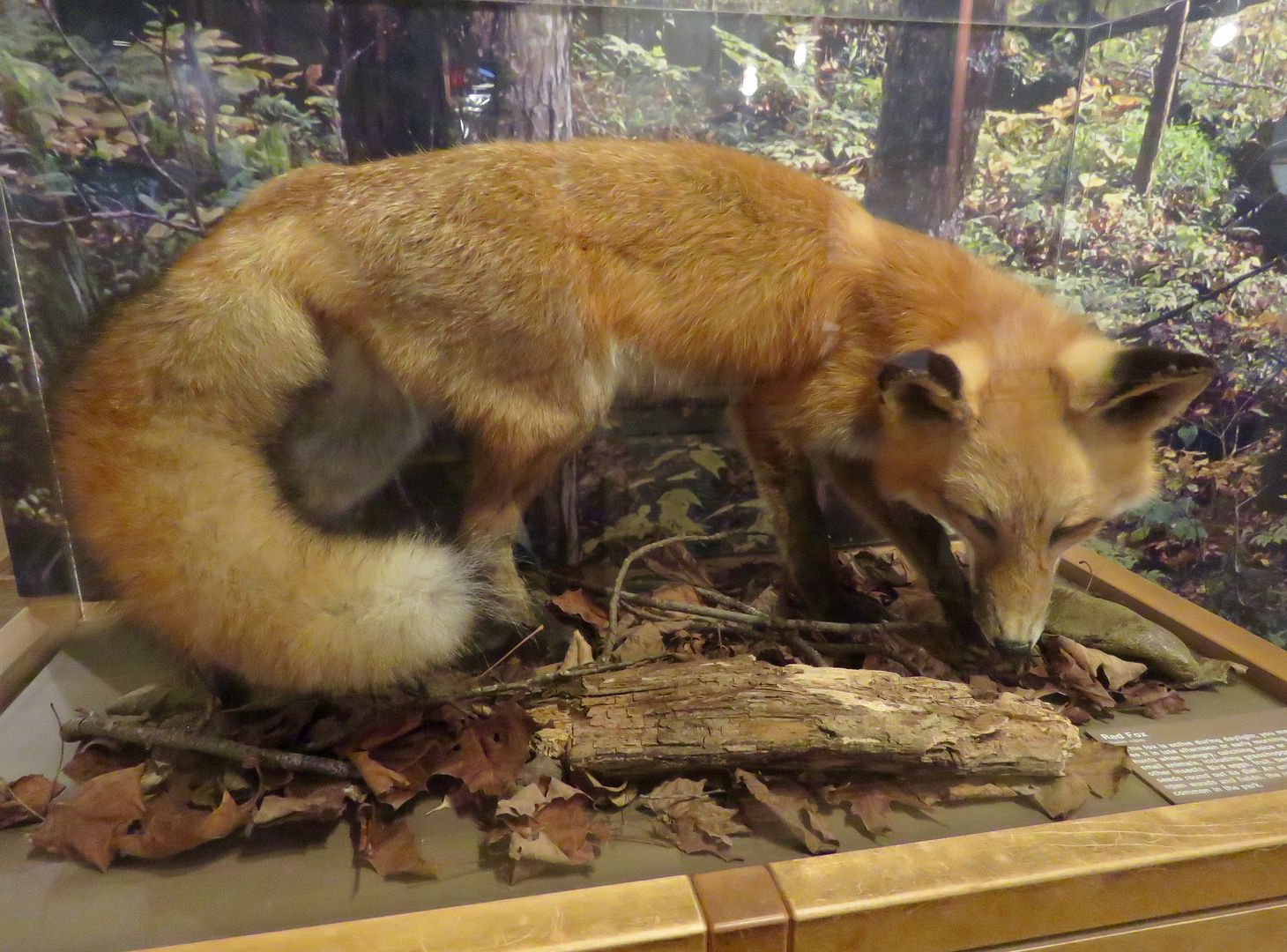
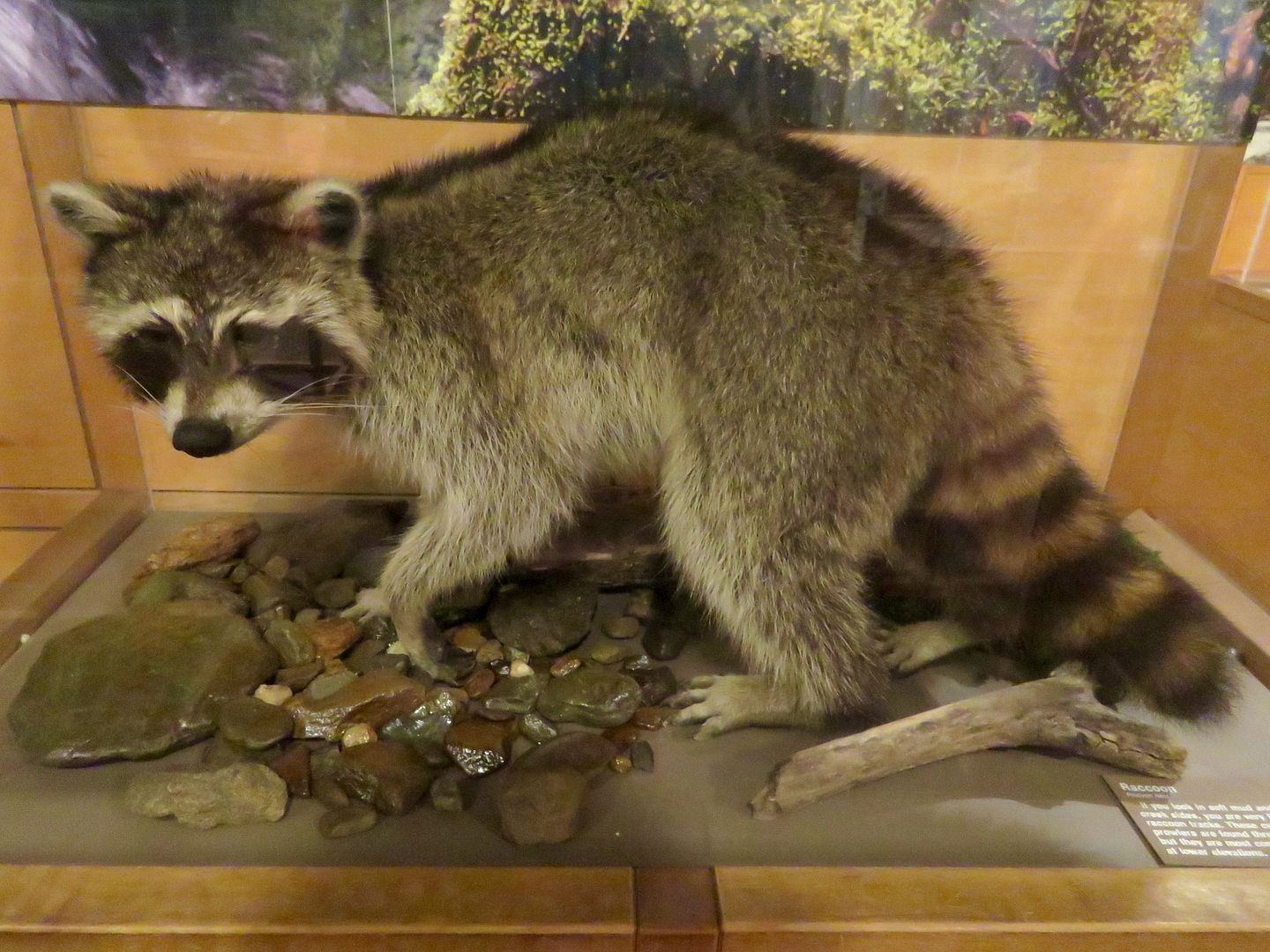
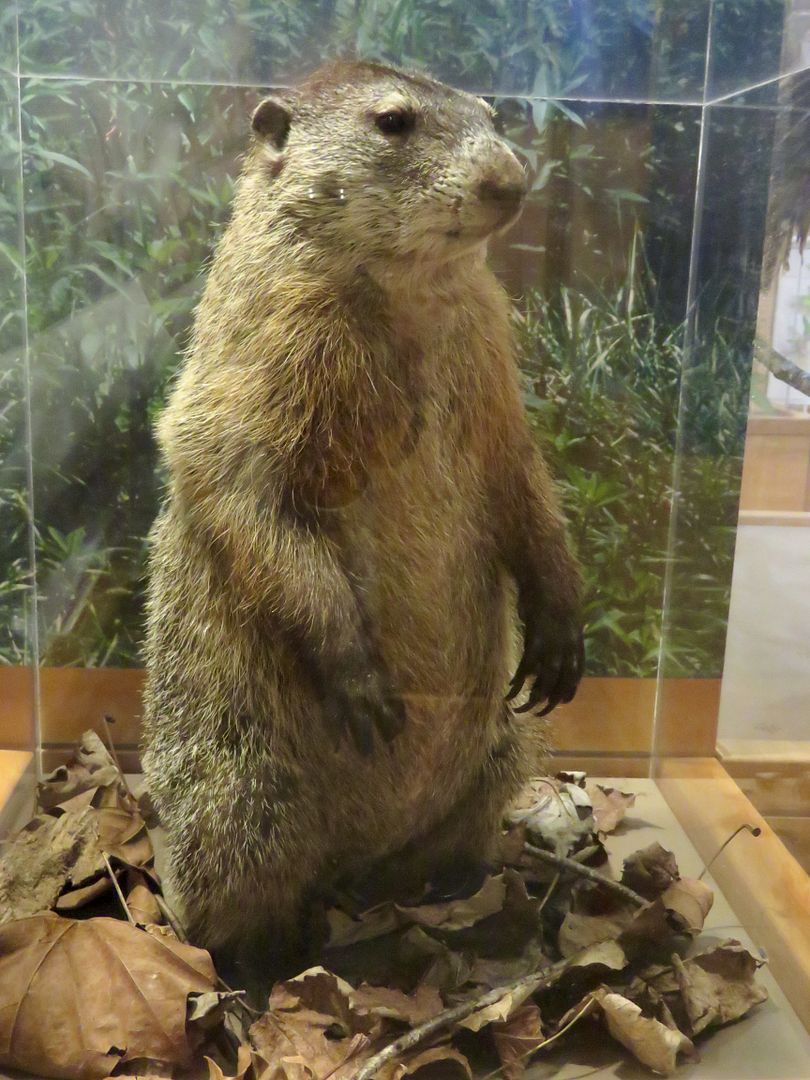
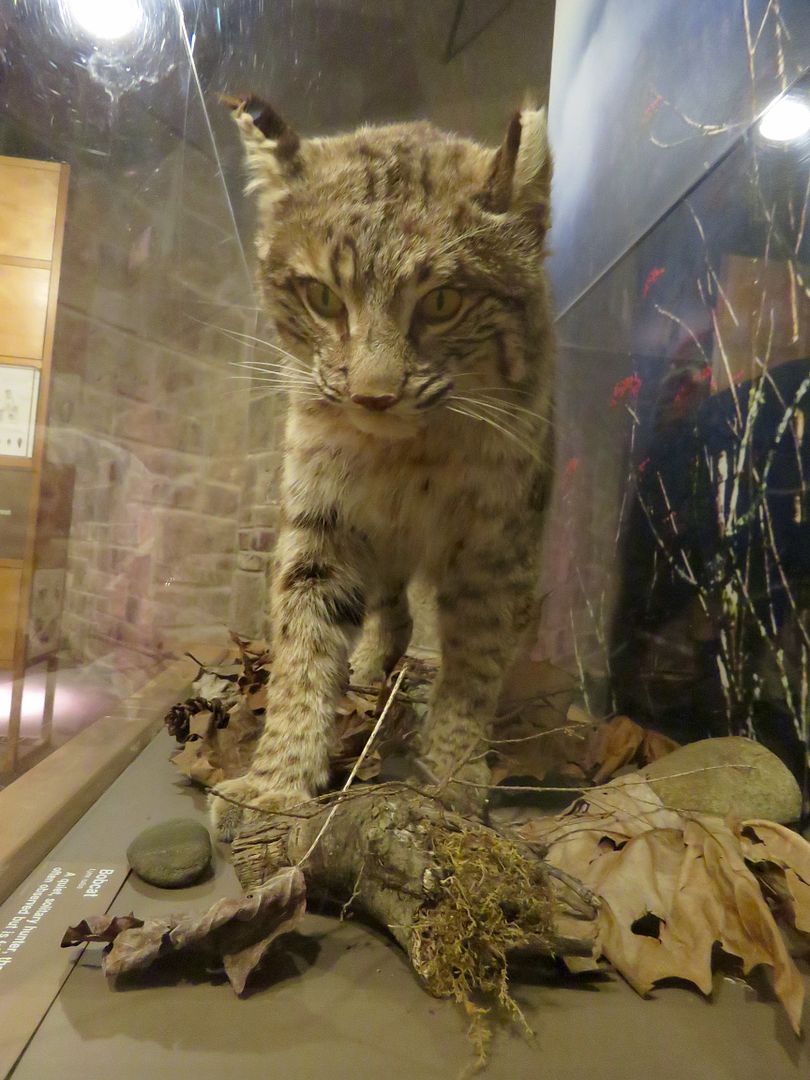
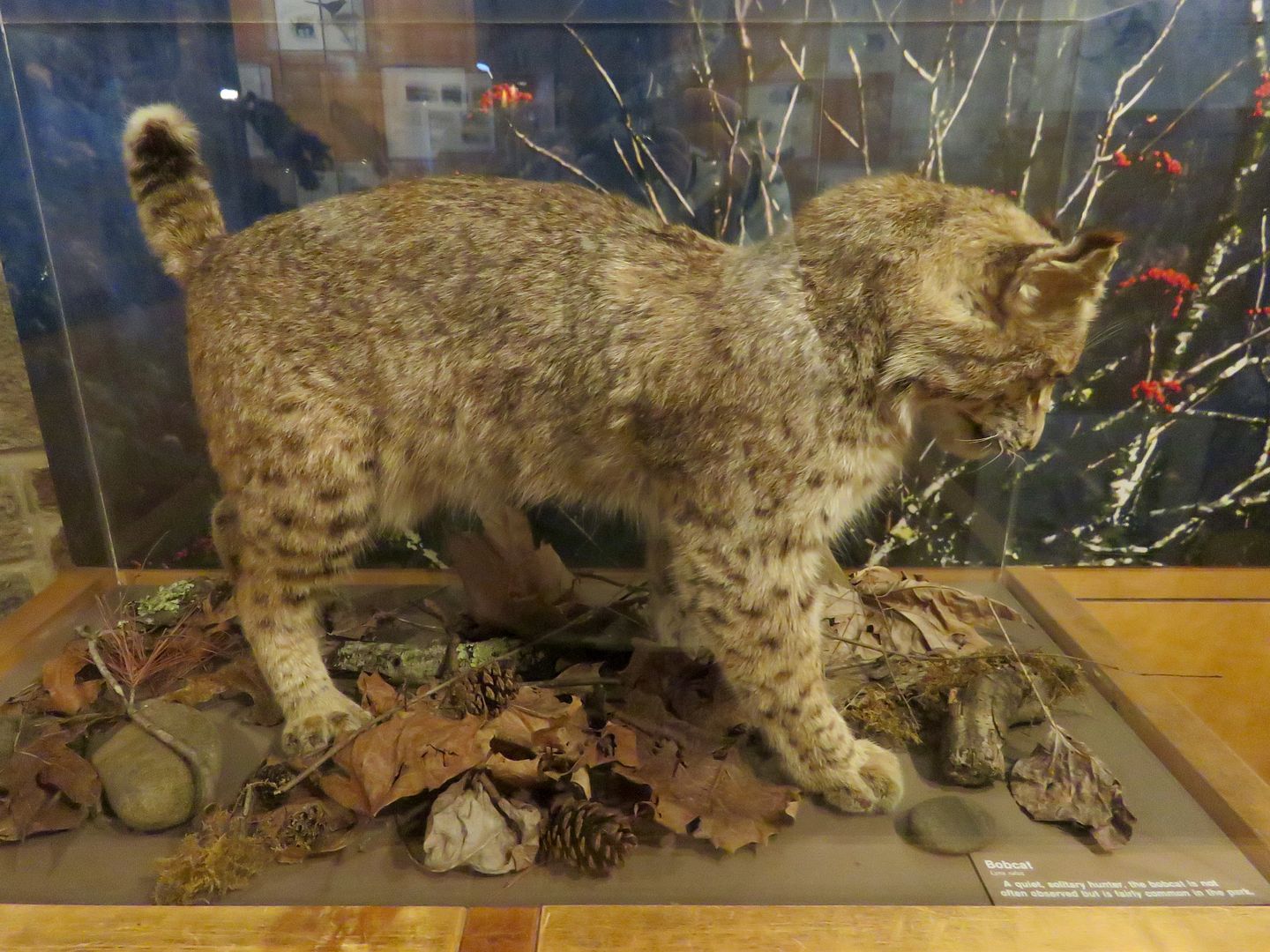
In addition to the 1,500 black bears that live in the park, the Visitor Center has numerous displays of other animals found here. Here are a few of them. 

Below is a gray fox and red fox; 


A raccoon; woodchuck; and two views of a bobcat.


There are also lots of displays about the many bird species found here and flowering plants. 

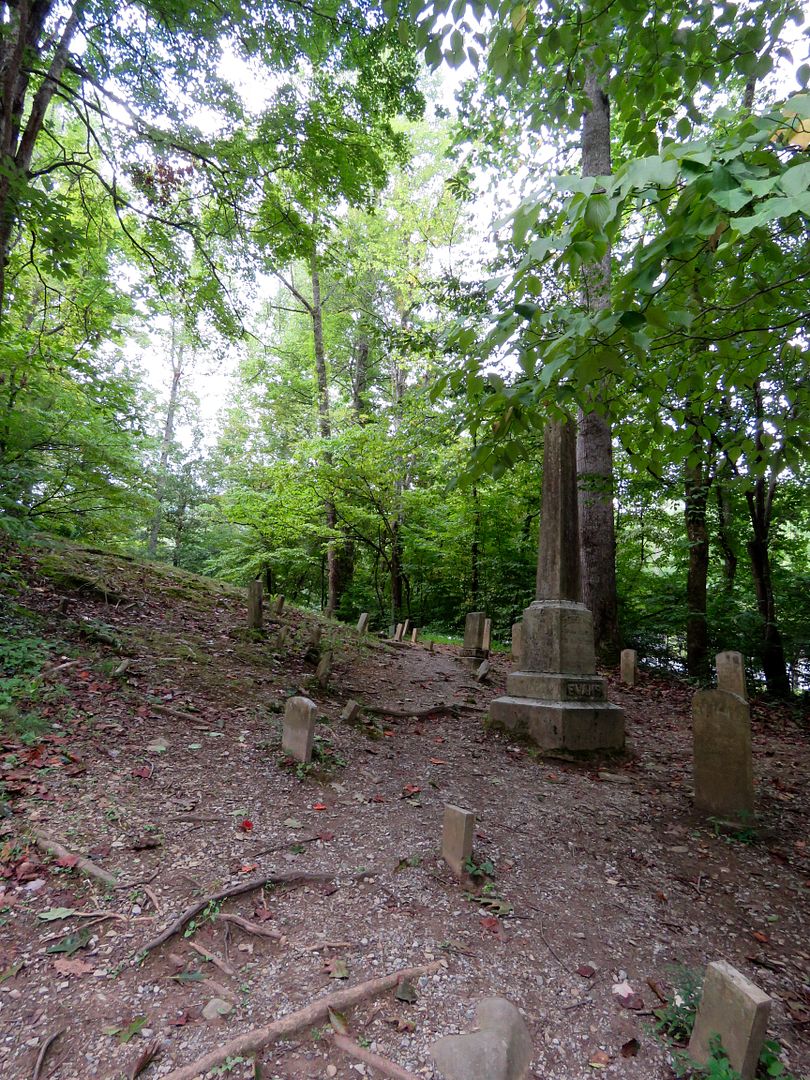
Only two trails in the park permit (leashed) dogs. One is the Gatlinburg Trail that starts here, next to the Sugarland Visitor Center. The first half mile is through the park headquarters area and along a service road. We saw this old cemetery (with markers from the 1800s) along the way. Many graves are identified with unmarked stones jutting up from the ground while there are also engraved stone monuments in the cemetery.


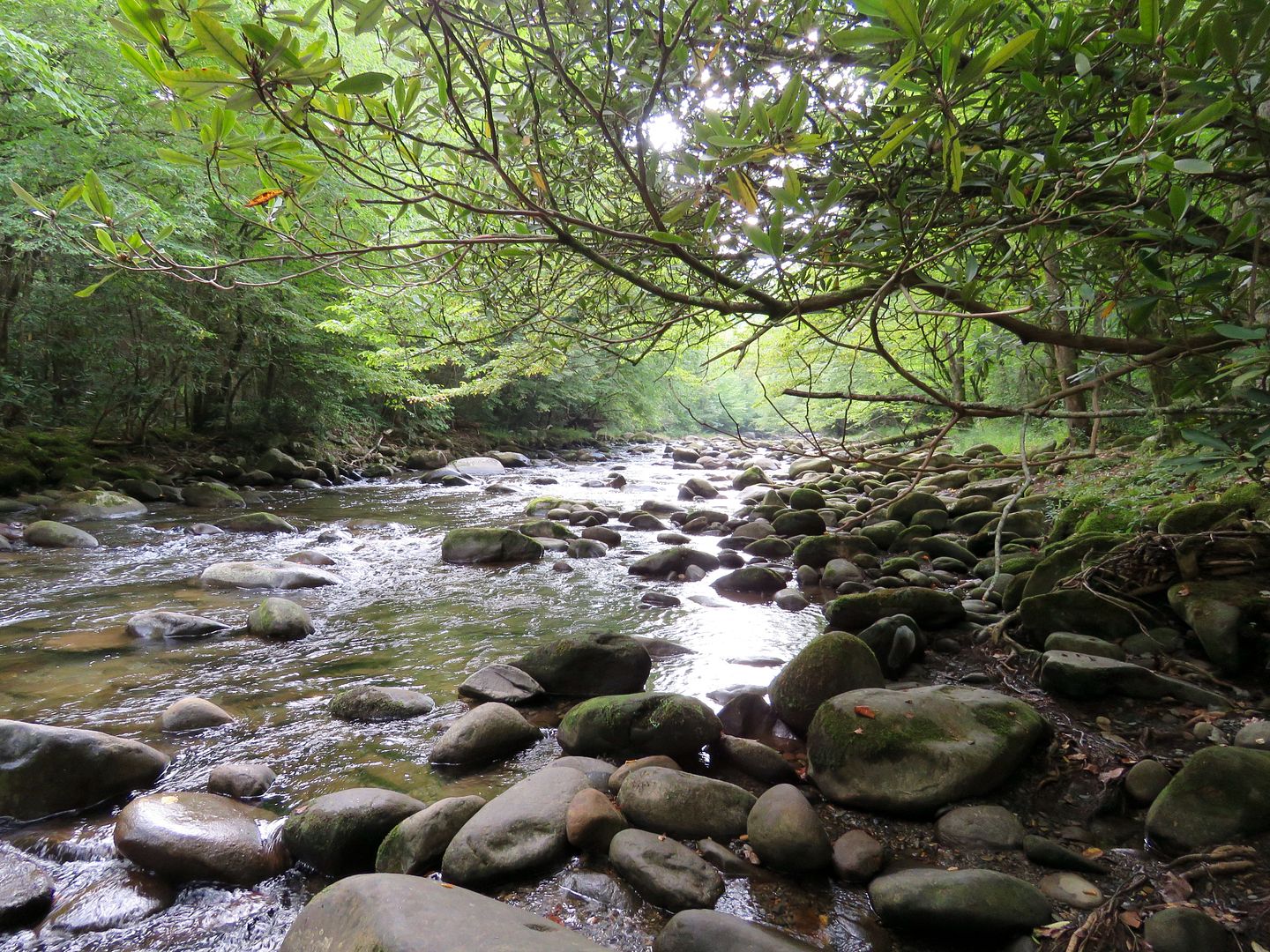
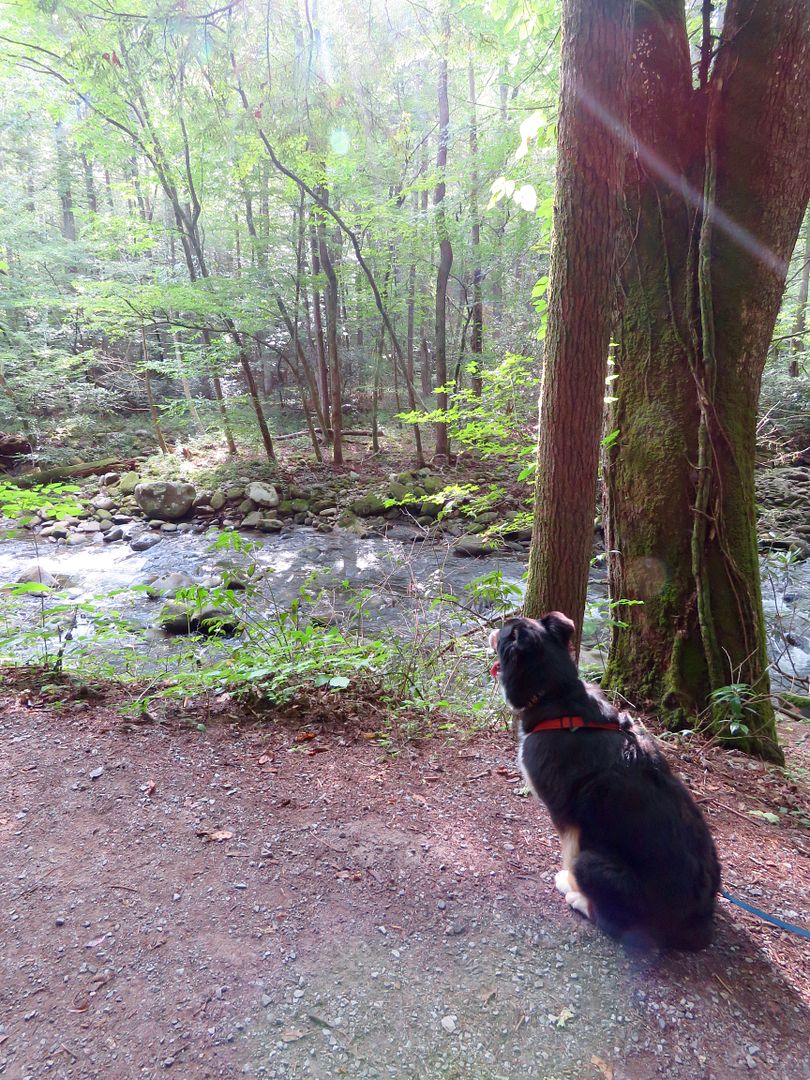
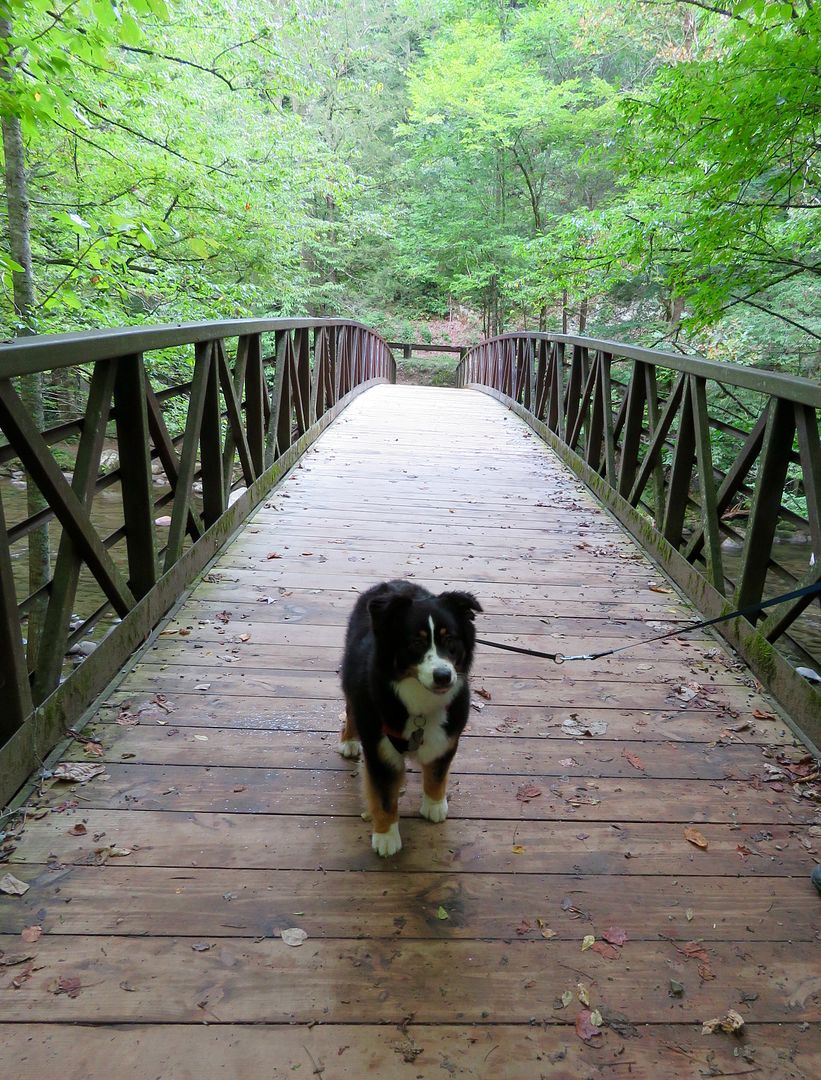
After crossing the service road, the rest of the 1.4 mile trail runs through the forest along the West Prong of the Little Pigeon River. Our doggy, Sadie, was thrilled to be out and about on a trail in a new place. 


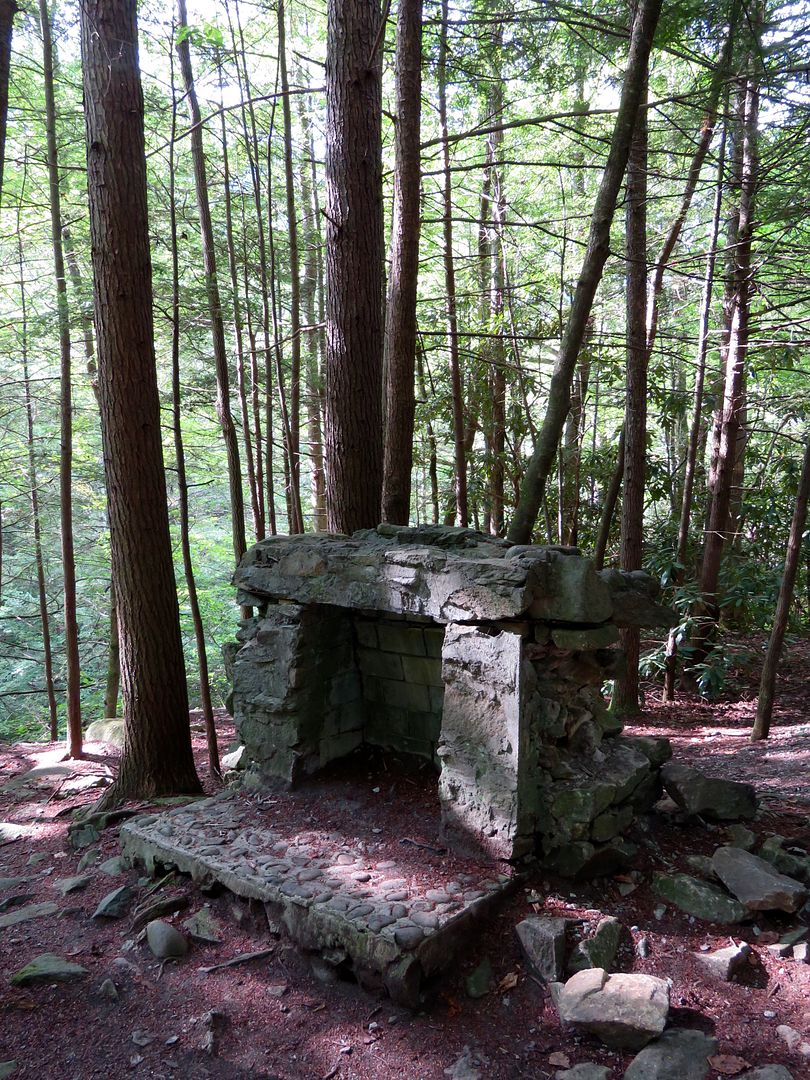
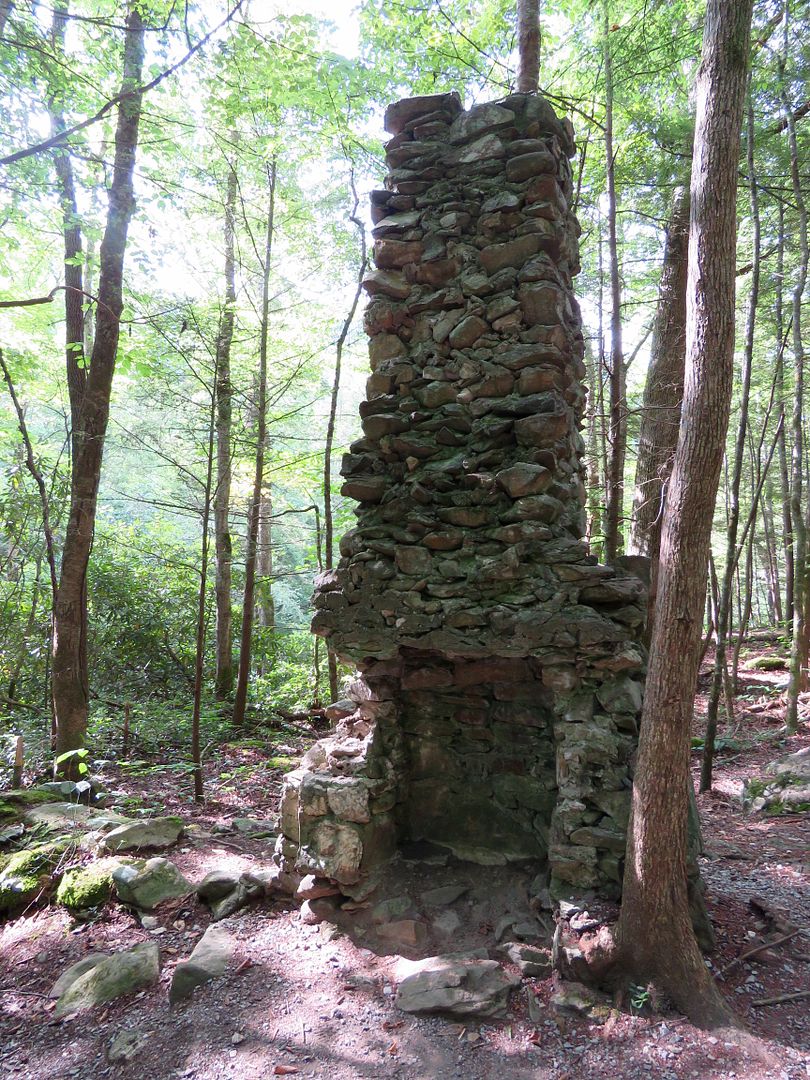
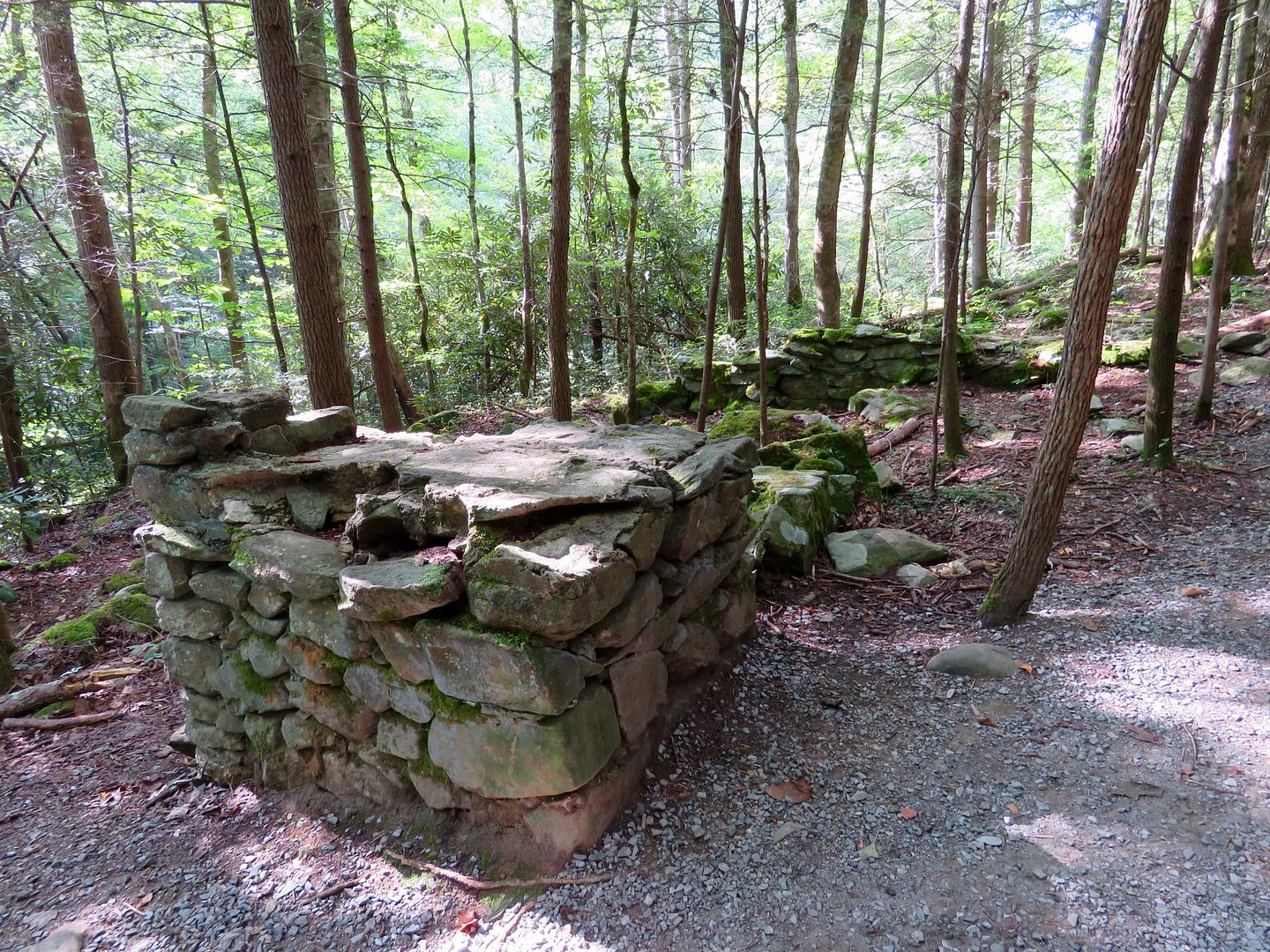
We came to these remnants of a CCC building fireplace and another from a two-story residence once located here.


Below is a wild turkey we saw near the bridge over the river. 


Sadie enjoyed going for a swim several times along the trail. In the hot humid weather here this time of year, it's great for her to be able to cool off a little bit.


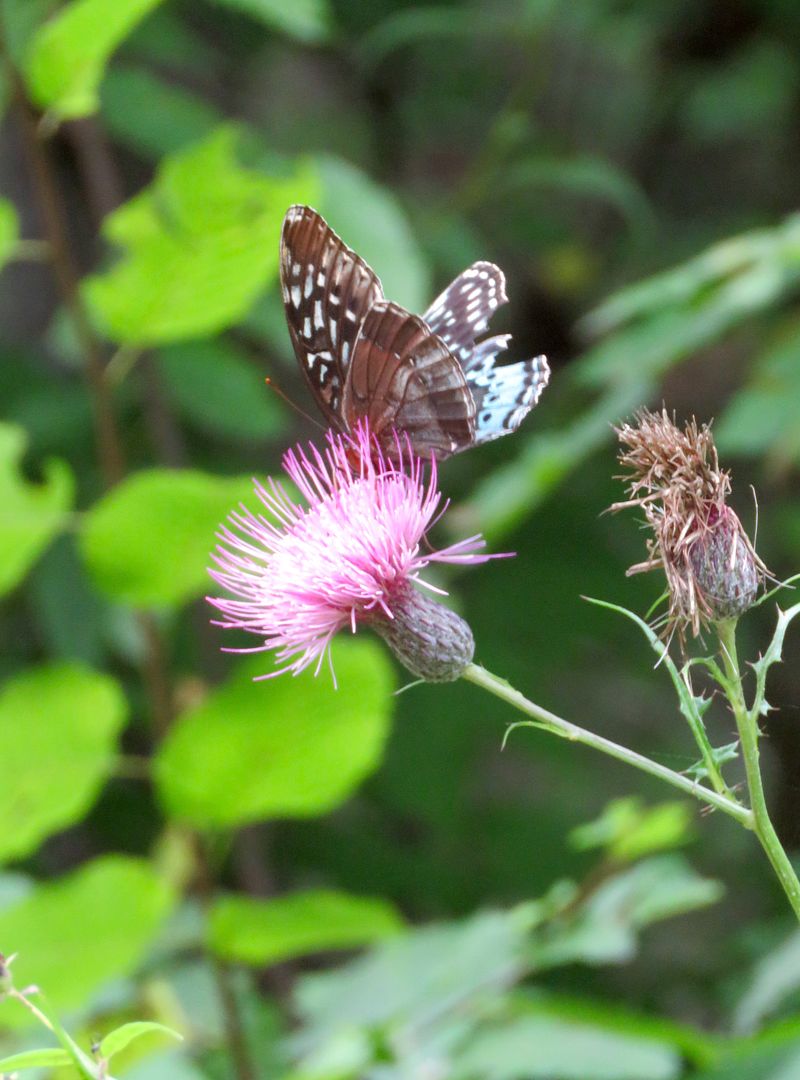
We encountered lots of other hikers along the trail. Many of them had dogs that Sadie was very exited to meet. We made the return trip to the Visitor Center enjoying the great outdoors. This is my last and favorite photo of the day.


We will explore other areas of the park when it is less crowded.

There is no admission fee to the National Park. For additional information about what to see, campgrounds, hiking trails, author tours and more, check out their website.

Website:  www.nps.gov/grsm